Inflation Cools to 18-Month Low as Persian Gulf Burns and American Institutions Fracture
U.S. inflation fell to 3.5% on Wednesday — its lowest reading since early 2024 — even as Iranian missiles struck tankers in the Strait of Hormuz, a new supreme leader vowed revenge against Washington, and a cascade of legal, political, and humanitarian crises reshaped the domestic and global landscape.
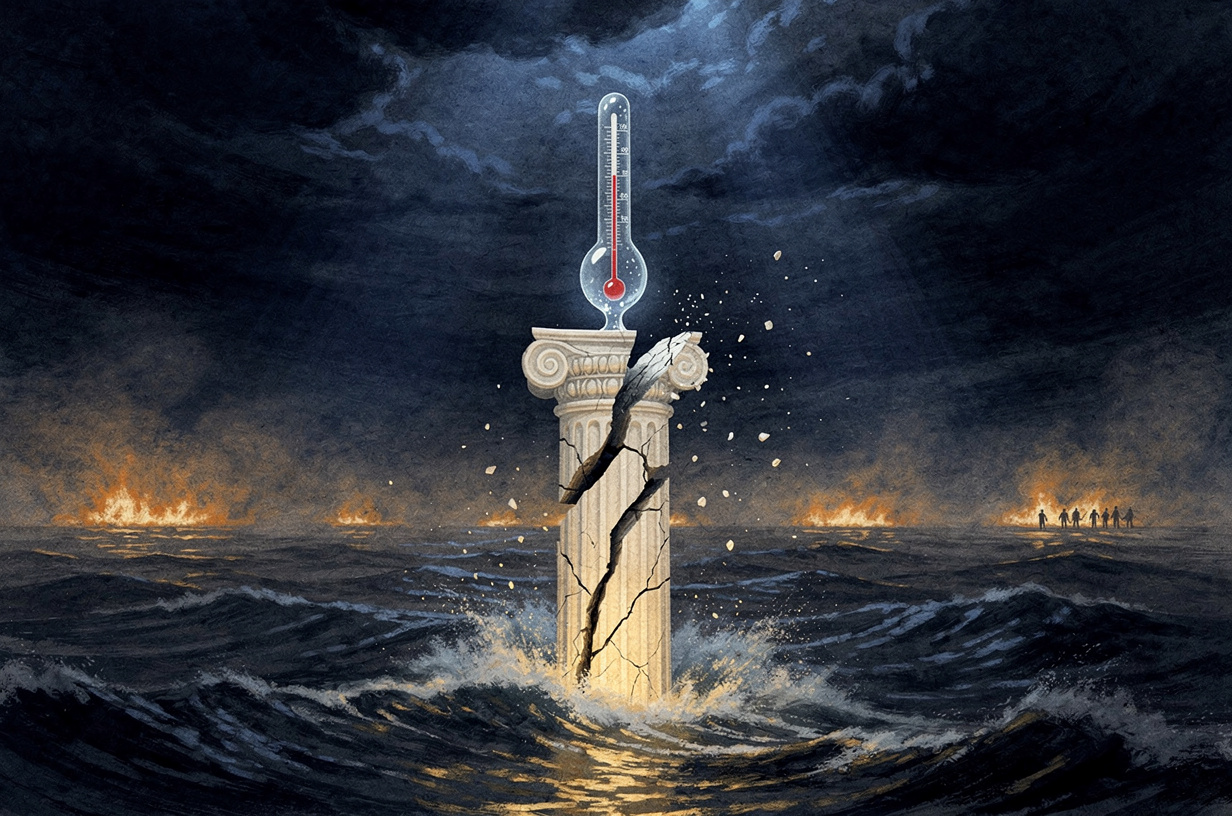
“A new supreme leader has more to prove to the Revolutionary Guards and the hardline establishment, making the threat of retaliation credibly more volatile in the near term.”
How this was made Verified AI
Every Intellegix briefing is generated from that day's broadcast and run through automated checks before it publishes — with a human paged on any flag. Here is the trail for this edition.
A World Cooling at Home, Combusting Abroad

The average American is paying thirty-seven dollars and forty-seven cents per month extra compared to pre-surge prices — yet Wednesday's inflation report showed that burden easing faster than any major forecaster predicted, with the Consumer Price Index registering 3.5%, its best reading since early 2024. The number landed on the same morning that Iranian missiles were striking oil tankers in the Strait of Hormuz, U.S. strikes had reportedly hit the perimeter of Iran's Bushehr nuclear plant, and a newly installed Iranian supreme leader was vowing revenge while President Trump threatened to, in his words, 'decimate' the country.
The tension between a recovering domestic economy and a genuinely dangerous geopolitical moment in the Persian Gulf threaded through the full sweep of Wednesday's news: the death of Senator Lindsey Graham and its implications for Senate power; DeepSeek racing toward a mainland China IPO at a $71 billion valuation; OpenAI unveiling a screenless smart speaker with cameras — and Apple immediately suing over alleged trade secret theft connected to the device; Elon Musk facing a criminal referral in Wisconsin over voter bribery allegations; nine European nations forming a missile defense coalition with Ukraine; major banks crushing earnings expectations; Spain advancing to the World Cup final; and a cyclospora outbreak traced to lettuce spreading across 31 states.
Layered beneath those headlines: the Justice Department subpoenaing four New York Times journalists, the Times countersuing the Equal Employment Opportunity Commission, a federal judge voiding a $1.776 billion IRS settlement that would have shielded Trump and his family from audits, ICE suspending most vehicle stops following fatal shootings in Maine and Texas, twelve states suing to block the Paramount–Warner Bros. Discovery merger, Cuba's power grid collapsing for the third time in nine days, and a pub fire in Bangkok killing a significant number of people.
The Strait of Hormuz Becomes an Active War Zone
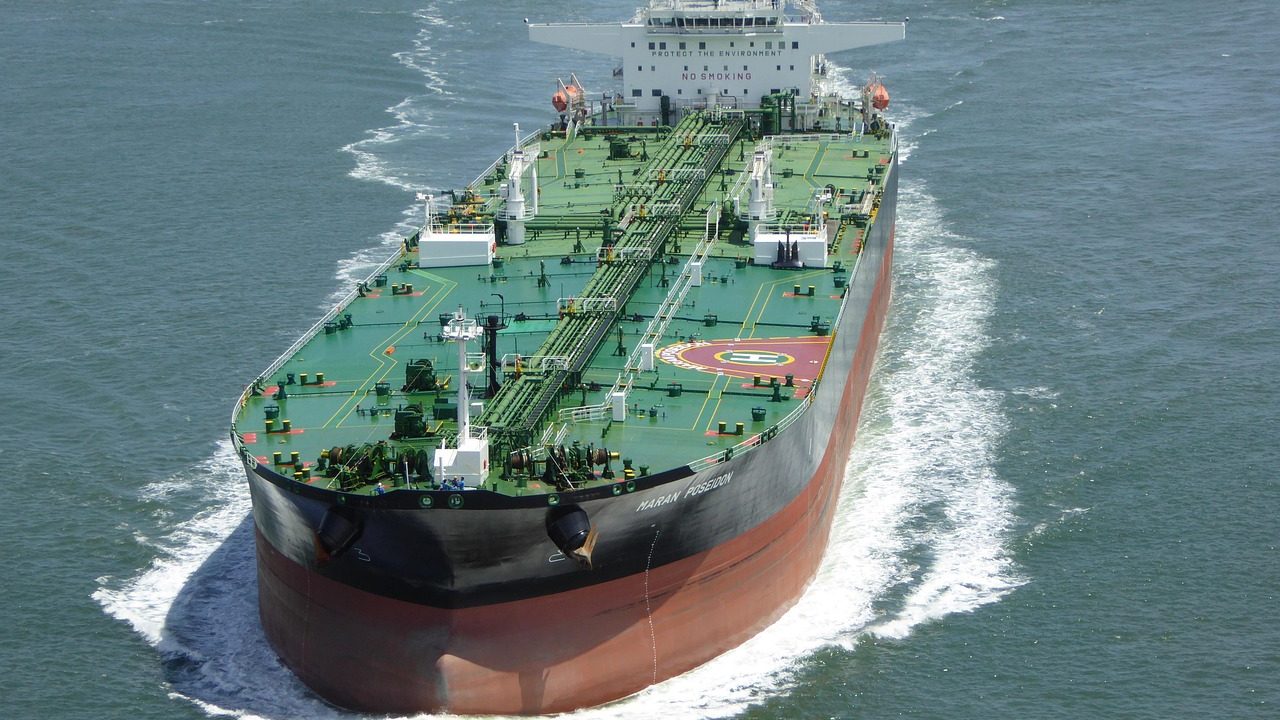
The Strait of Hormuz — a 21-mile-wide chokepoint through which roughly 20% of the world's oil supply passes daily — is now an active conflict zone. The UAE confirmed that Iranian missiles struck two tankers in the strait, killing one person. Satellite imagery reported Wednesday showed Iran actively rebuilding nuclear sites that had previously been bombed, and Iran's new supreme leader has vowed revenge against the United States.
The U.S. posture has shifted rapidly. Reports from days earlier described a proposed 'Hormuz toll' — essentially charging ships passing through the strait under an American security umbrella — but Trump has since reversed course entirely in favor of pursuing Gulf trade deals. The reversal does not resolve the underlying crisis. Iran has warned that any U.S.-hosting neighbor could become a target, a direct message to Saudi Arabia, the UAE, Qatar, and Bahrain, all of which host American military assets.
Iran's claim that U.S. strikes hit the perimeter of the Bushehr nuclear plant raises the specter of radiological risk alongside the standard military escalation calculus. Bushehr is a functioning reactor, not merely a research facility. Iran separately declared that the UAE must be 'held accountable' following U.S. moves to ease export controls, which Tehran is interpreting as evidence of closer American-UAE military coordination. The satellite imagery confirming nuclear site reconstruction makes clear that whatever strikes occurred did not achieve permanent disablement.
The leadership dimension compounds the danger. Iran's previous supreme leader, Khamenei, held power for 34 years and operated within a consistent, if confrontational, strategic doctrine. A new supreme leader has more to prove to the Revolutionary Guards and the hardline establishment, making the threat of retaliation credibly more volatile in the near term. Dubai's announcement of a major new port at Fujairah — on the Gulf of Oman side of the UAE, bypassing the strait entirely — signals that regional actors are betting on a long-term disruption, not a swift resolution. Port construction of that scale requires five to eight years minimum.
Amid the military deterioration, the UAE quietly released 55 Iranian fishermen — a small diplomatic gesture that suggests Gulf actors are trying to keep back channels alive even as the security situation worsens. For consumers globally, the stakes are direct: energy price shocks from Hormuz disruptions have historically transmitted quickly into household costs, potentially reversing any gains reflected in Wednesday's inflation report.
Europe Builds a War Footing Outside NATO's Framework
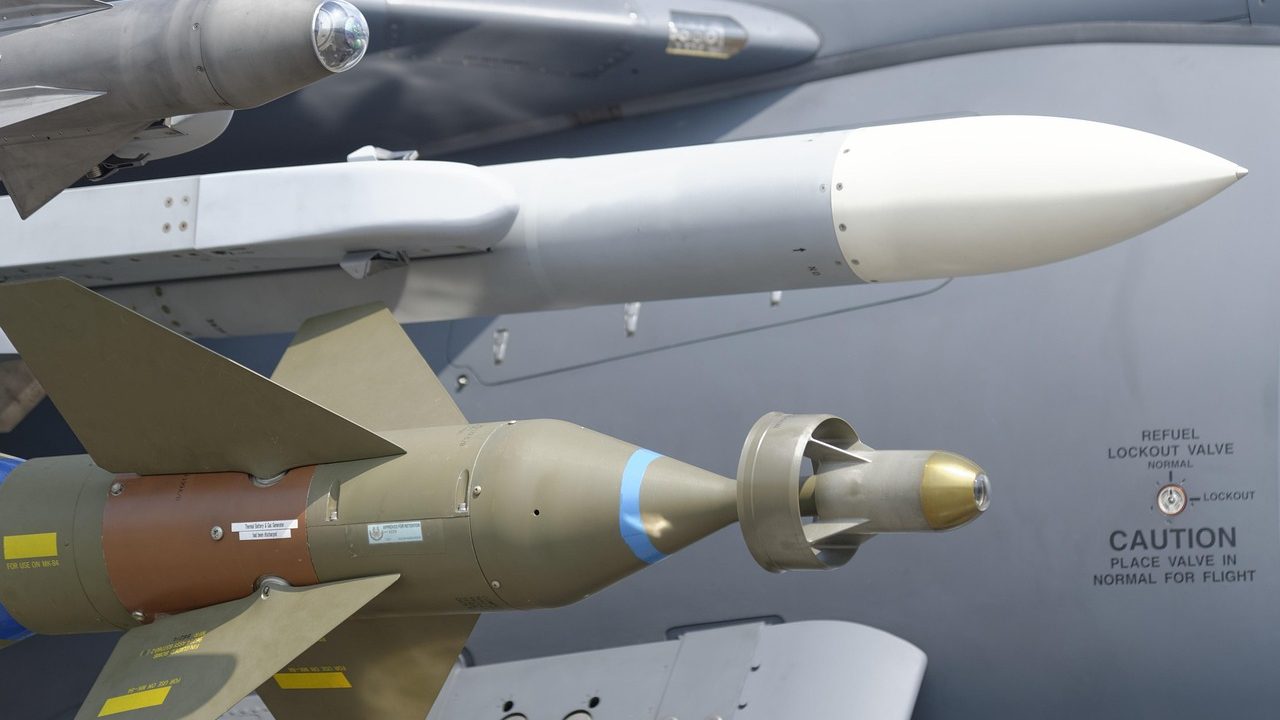
Nine European nations have formed a formal missile defense coalition with Ukraine — a qualitative step beyond weapons transfers or financial pledges. A coalition implies shared command structures, interoperability requirements, and a long-term commitment to Ukrainian air defense that would survive changes in individual national governments. Reports indicate that future Ukrainian Patriot missile production is likely to be based in Germany, meaning European defense industrial capacity is being explicitly expanded to support a country that belongs to neither the EU nor NATO.
French President Emmanuel Macron's Bastille Day eve address drew the starkest language of his presidency on European security. Speaking before gathered leaders of what has been called the Coalition of the Willing — a European security grouping that has developed outside NATO's formal structure, partly in response to uncertainty about American commitment — Macron declared that Europe is 'ready to defend freedom at the cost of blood.' The statement was addressed implicitly to both Moscow and Washington: Europe, he signaled, now possesses its own security doctrine and intends to back it with force.
A New York Times report added an intelligence dimension: Russia is reportedly running an active espionage operation out of Tokyo, using Japan as a base to source dual-use technology for its war effort. Japan has been one of the more consistent G7 supporters of Ukraine sanctions, making the disclosure diplomatically awkward for Tokyo. The operation suggests Russia has adapted its sanctions-evasion strategy to route through Asia, where scrutiny is lower than in Europe.
Ukrainian President Volodymyr Zelenskyy's wartime cabinet reshuffle — removing Prime Minister Yuliia Svyrydenko after approximately one year in office — represents a high-risk move during active conflict, signaling acute internal pressure over some specific failure in reconstruction funding, military procurement, or coalition management. Separately, the Trump administration's campaign to isolate the International Criminal Court through travel bans, visa revocations, and sanctions against ICC personnel — a direct response to the court's warrants related to the Russia-Ukraine conflict — is being watched closely by European nations that fund and belong to the court. Hungary's new government, meanwhile, joined the EU Prosecutor's Office, unlocking 16.4 billion euros in previously frozen funds, in a modest but meaningful shift toward EU cohesion.
American Democracy Under Institutional Strain
Senator Lindsey Graham, Republican of South Carolina, died Wednesday at 71 from an aortic dissection. A 24-year Senate veteran and prominent voice on the Armed Services Committee, Graham leaves a vacancy with immediate political implications. His sister has been sworn in as interim senator — a striking personal dimension to what is ordinarily a routine gubernatorial appointment. South Carolina is reliably Republican, so the partisan arithmetic changes little, but Graham's absence in foreign policy debates will be felt at precisely the moment when Gulf and Ukraine crises demand experienced Senate voices.
A federal judge voided the so-called Anti-Weaponization Fund settlement — a $1.776 billion IRS deal that included an addendum barring audits of Trump and his family — and referred the lawyers involved for professional discipline. The ruling represents a sharp rebuke of an attempt to use a civil settlement to preemptively immunize a sitting president from tax scrutiny. Separately, emails obtained by reporters reportedly show that acting Attorney General Todd Blanche was personally directing the administration's retribution campaign against perceived political enemies, contradicting his public framing as a moderating influence within the Justice Department. Trump also paid E. Jean Carroll $5.6 million in the sexual abuse civil case, resolving a financial obligation that has wound through courts since 2023.
The Justice Department has subpoenaed four New York Times journalists to testify before a grand jury — a serious instrument that compels testimony about sources — while the Times simultaneously filed a countersuit against the Equal Employment Opportunity Commission, characterizing an investigation into its diversity programs as politically motivated retaliation for its journalism. A Wisconsin judicial panel referred Elon Musk to prosecutors over alleged voter bribery, framing payments or incentives to Wisconsin voters as violations of federal election law. Musk's legal team is expected to argue the spending constitutes constitutionally protected political speech. Separately, at the DOJ's request, a judge vacated the January 6th convictions of several Proud Boys members — a more aggressive step than dropping charges, placing the judiciary in the position of undoing what a prior administration prosecuted.
Trump is preparing a primetime address for Thursday in which he plans to present what he calls declassified intelligence showing foreign interference in the 2020 election. The preview arrives after the administration has already gutted the Election Assistance Commission and issued threats to prosecute state officials over voter rolls. Justices Elena Kagan and Amy Coney Barrett, representing the court's liberal and conservative wings respectively, appeared jointly before a House panel to request $228 million for Supreme Court security, citing an anticipated 38% increase in threat levels since the Dobbs decision.
OpenAI's Mysterious Camera Device Triggers Apple's Legal Assault
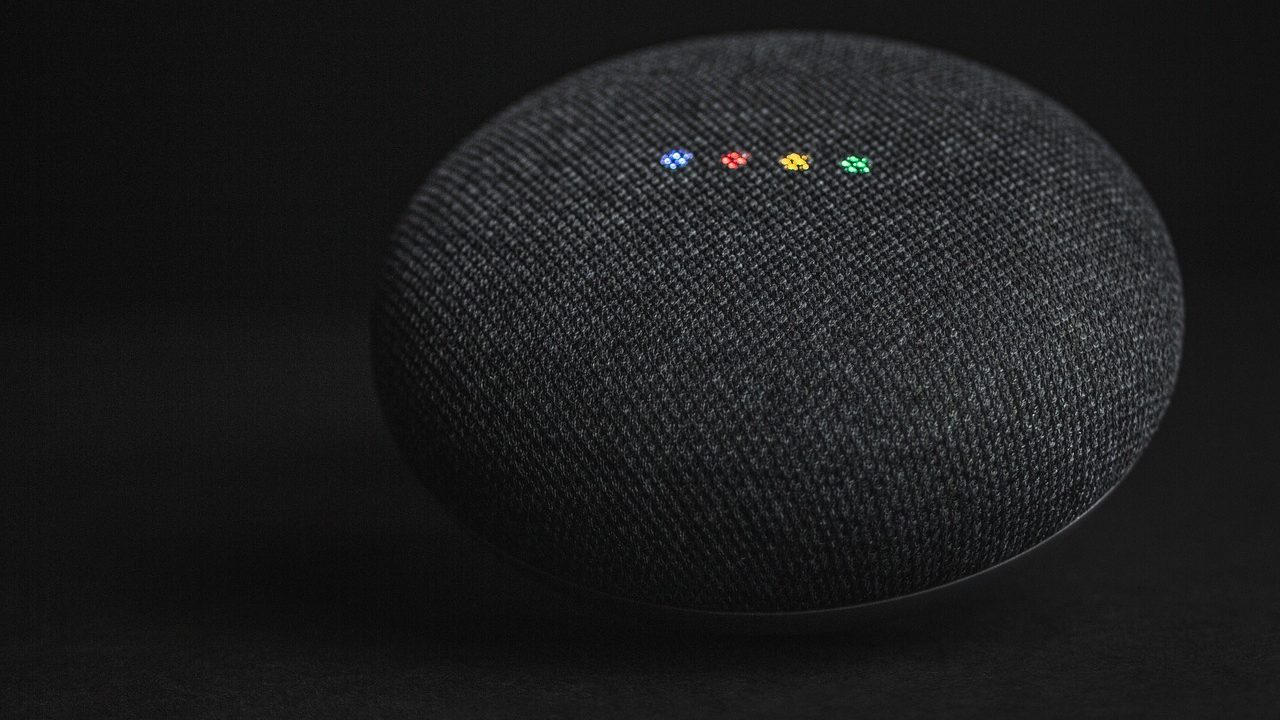
The artificial intelligence industry's pivot from software to hardware is now fully underway. Bloomberg reported Wednesday that OpenAI's first consumer device is a screenless smart speaker equipped with cameras — a product configuration that implies the cameras are not for the user to see through, but for the AI to observe its environment, interacting with the world entirely through audio. The design philosophy diverges sharply from Amazon's Echo, which is also screenless but camera-free, and from Apple's screen-centric product lineage.
Apple filed suit against OpenAI in close proximity to the hardware reveal, accusing two former Apple executives of coordinating with OpenAI to steal confidential hardware designs for the device. The company alleged a 'coordinated scheme' implicating both the executives and OpenAI as an institution. Trade secret cases differ from patent cases — Apple need not have filed for a patent to claim protection, only to demonstrate that the information was kept confidential, held economic value, and was subject to reasonable protective measures. If the company can show that specific design elements in OpenAI's device match confidential Apple hardware projects those executives could access, the foundation for the claim is strong. The immediate risk for OpenAI: a court injunction that could reshape the hardware project entirely.
Meta retreated on a separate AI front, pulling its Muse Image tool after user backlash over allegations that the product incorporated Instagram photos without adequate disclosure or consent. The withdrawal — not merely a policy clarification but an actual product pullback — suggests public tolerance for undisclosed AI training data use is lower than the industry assumed. OpenAI and Google separately face scrutiny over reports that they have sold AI services to Chinese firms on U.S. export control blacklists, a potential violation of Commerce Department rules that is expected to draw congressional attention.
DeepSeek, the Hangzhou-based AI company that rattled Silicon Valley earlier this year, is preparing a mainland China IPO filing for late 2026 while simultaneously seeking $1.5 billion in fresh funding at a $71 billion valuation — weeks after closing a reported $7 billion round. A mainland listing, rather than Hong Kong or a U.S. exchange, means Chinese retail investors will own shares in what Beijing considers a strategic national AI asset, and the company will operate under full Chinese government data oversight. The move gives the U.S.-China AI competition a new institutional chapter: a publicly listed Chinese AI champion backed by domestic capital. New York City also enacted a click-to-cancel subscription rule, set to take effect October 1st with penalties starting at $525, after a federal version of similar legislation was struck down — a classic instance of municipal regulation filling a federal gap.
Banks Surge, Mergers Face Legal Peril, and Borrowers Lose Their Footing

U.S. inflation fell to 3.5% in June, beating forecasts and marking the lowest reading since early 2024. The Federal Reserve's target remains 2%, but the direction is clearly favorable. The analytical question is what is driving the decline: if supply chain normalization and the absorption of 2025 tariff-driven price shocks explain the drop, the disinflation is likely durable; if softening consumer demand as households exhaust savings is the primary driver, the signal is more concerning. Component-level data from the June CPI report will help distinguish between those scenarios. S&P futures sat at approximately 7,601 on Wednesday morning, up roughly 0.14% — essentially flat, suggesting markets treated the inflation number as already priced in.
The headline market story was earnings, not macro data. Major banks reported results that crushed analyst estimates, driven by strong trading desk performance and a surge in dealmaking fees. A volatile geopolitical environment in the Gulf amplifies commodity trading revenues, while a recovering mergers-and-acquisitions market — after years of suppression in a high-rate environment — has sent investment banking fees flowing again. The combination produced the kind of quarter that makes bank stocks move.
Twelve states, led by California Attorney General Rob Bonta, filed suit to block the approximately $110 billion Paramount–Warner Bros. Discovery merger, with Bonta arguing the deal would 'extinguish competition' in Hollywood. Under the Sherman Act, however, large market share alone does not constitute an illegal monopoly — plaintiffs must define a relevant market precisely and show the combined entity could control prices or exclude rivals within it. In a global streaming landscape that includes Netflix, Amazon, Disney, and Apple, establishing that a Paramount-WBD combination creates an illegal monopoly faces a genuinely high legal bar, even when the merger appears large.
Trump-backed Freedom Fuel stations in Pennsylvania and New Jersey, which debuted at a $3.47 per gallon price point, have already raised prices above that level within weeks of opening — a predictable consequence of gas prices being set by global commodity markets, distribution costs, and local taxes rather than operator branding. Reporting described the ownership structure of the 25 stations as 'opaque.' A sweeping housing bill became law without Trump's signature, passing via the constitutional provision allowing unsigned legislation to take effect if the president neither signs nor vetoes within ten days while Congress is in session. The bill addresses what advocates call one of the most acute domestic economic crises: home affordability has deteriorated sharply since 2020. Nearly one million student loan borrowers are simultaneously leaving the SAVE repayment plan, with approximately 20% of departing borrowers moving into older income-driven repayment frameworks also scheduled for elimination by 2028, setting up a second wave of forced transitions.
Cuba's Grid Collapses Again as Crises Spread from Congo to Bangkok
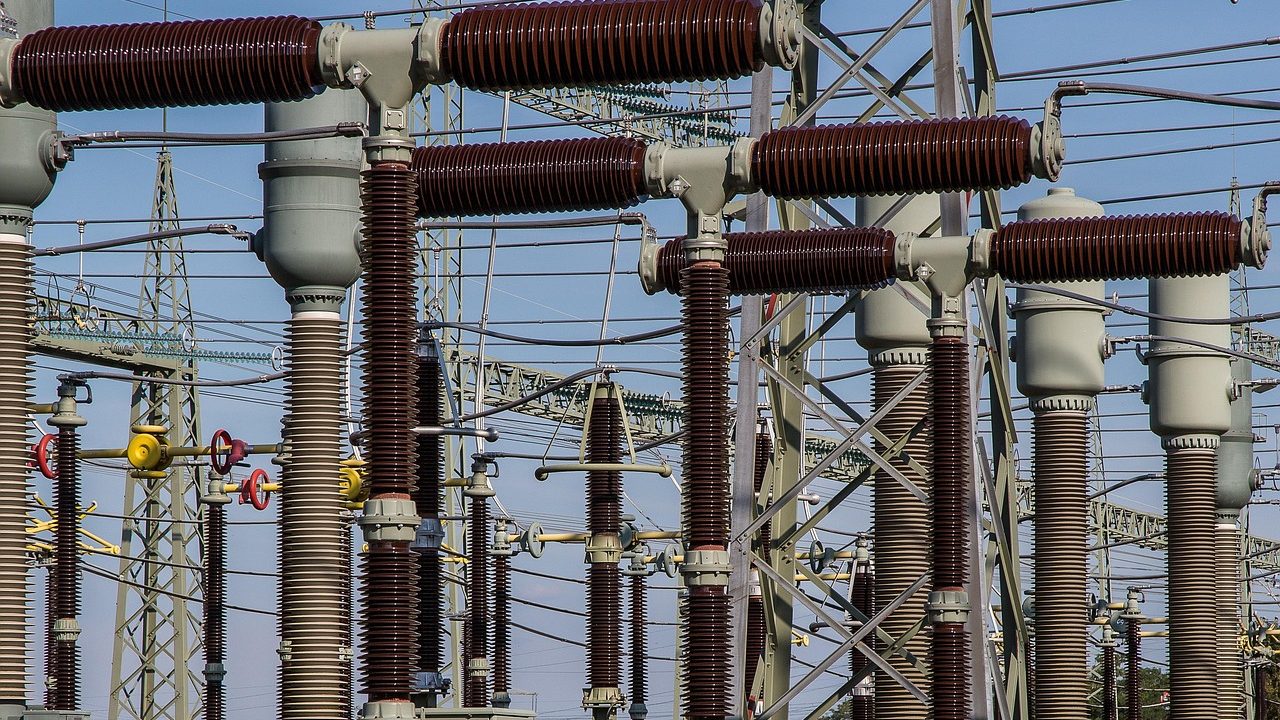
Cuba's electrical grid has collapsed for the third time in nine days. The infrastructure is Soviet-era — aging thermoelectric plants and distribution systems that have lacked major capital investment for decades, compounded by U.S. embargo restrictions on financing for modernization. The grid has been in chronic crisis since 2022, with rolling blackouts of 12 to 16 hours daily in some provinces. Three collapses in nine days suggests the system has moved from chronic stress to acute episodic failure. New U.S. sanctions on Cuba's tourism ministry and nine other entities, announced this week, amplify the crisis: tourism provides Cuba's primary foreign exchange earnings, and without hard currency, the government cannot purchase fuel for the thermoelectric plants that generate electricity.
The State Department placed Americans in the Democratic Republic of Congo on a 'do-not-board' list in response to an Ebola situation there, requiring a 21-day stay in a third country before returning to the United States — a quarantine calibrated to Ebola's incubation period. The DRC has experienced multiple Ebola outbreaks since 2018, but the severity of the U.S. response signals an elevated assessment of current spread risk. A cyclospora outbreak traced to lettuce has now spread across 31 states. Cyclospora is a microscopic parasite, not a bacteria, meaning cooking does not eliminate it; distribution across 31 states implies a major commercial supply chain source, and the CDC and FDA are working to identify the specific producer.
A pub fire in Bangkok killed a significant number of people after engulfing a venue called Rong Beer near Soi Ladprao 1 in the early morning hours — the period of maximum occupancy for nightlife venues. Thailand has a persistent record of inconsistent fire safety enforcement in entertainment establishments, and the tragedy is expected to prompt a round of inspections and regulatory statements, as similar events have historically done.
Colombia's presidential runoff produced unsubstantiated fraud allegations from the losing side, prompting a joint statement from more than a dozen countries — including the United States and Latin American allies — warning against efforts to undermine the results. The international community's willingness to push back collectively on election denial in Latin America reflects lessons drawn from Venezuela, Nicaragua, and other cases where earlier intervention might have altered trajectories. Typhoon Bavi struck eastern China after 2.2 million people were evacuated from Zhejiang province — one of China's most economically productive coastal regions, with major manufacturing and port infrastructure whose damage carries supply chain implications for global electronics and textile production.
Environmental Rollbacks Trigger Federal Lawsuits as Pharmaceutical Liability Revives

Nine conservation organizations filed a federal lawsuit challenging the Trump administration's elimination of a 50-year-old rule linking habitat destruction to wildlife harm under the Endangered Species Act. The rule, in place since 1975, held that destroying the habitat of a protected species constitutes harm to that species even without directly killing individual animals. Under the administration's new interpretation, a developer could drain wetlands that serve as breeding habitat for an endangered bird species — eliminating reproduction entirely — as long as no individual bird dies during construction. Conservation groups argue this functionally guts the ESA for species whose primary threat is habitat loss, which they say accounts for roughly 85% of listed threatened and endangered species.
The lawsuit challenges the change on both procedural grounds — inadequate public comment and environmental review — and substantive grounds, arguing the new interpretation contradicts the plain language of the statute. The 50-year vintage of the rule gives plaintiffs a strong argument about reliance interests and the limits of executive authority to reinterpret long-standing statutory definitions. Separately, Trump cut two Utah national monuments by approximately 90%, making the vast majority of the previously protected area available for mining, grazing, and energy extraction — a reduction consistent with the first Trump administration's earlier monument rollbacks, which the Biden administration had reversed.
A federal appeals court revived more than 500 lawsuits alleging that acetaminophen use during pregnancy is linked to autism spectrum disorder in children. The science underlying the claims is contested — major regulatory bodies have not concluded a causal link — but the appellate panel found the scientific evidence sufficient to present to a jury, exposing Johnson & Johnson and other acetaminophen manufacturers to potentially significant liability as the cases proceed to discovery and trial.
Whistleblowers have alleged no-bid contracts and rushed work at the Kennedy Center, a federally chartered institution subject to congressional oversight. No-bid contracts are legally permitted in certain narrow circumstances but are a common vehicle for directing government spending toward preferred vendors. The decision by internal witnesses to go public suggests internal accountability mechanisms were not functioning, fitting a pattern of procurement and governance concerns that has appeared across multiple federal institutions in recent months.
Spain Reaches the World Cup Final as ICE Suspends Stops and Inflation Data Gets Scrutinized
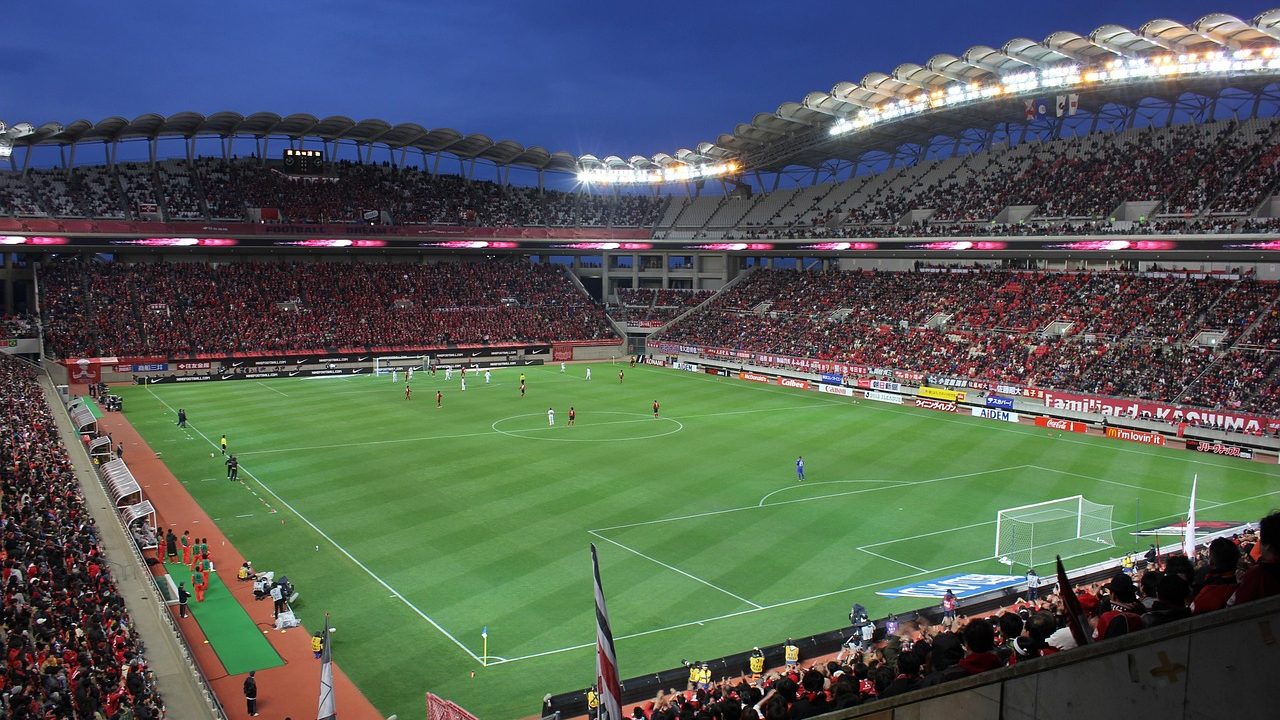
Spain advanced to the 2026 World Cup final with a 2-0 semifinal victory over France in Dallas, goals from Mikel Oyarzabal and Pedro Porro ending France's tournament and sending Spain to their first World Cup final since their 2010 triumph over the Netherlands in Johannesburg. The result marks a generational rebuild completed: Spanish football had been in transition since its dominant Euro era of 2008 through 2012, and reaching the final of the expanded 48-team tournament — hosted across the United States, Canada, and Mexico — confirms the depth of the current squad.
ICE suspended most vehicle stops for immigration enforcement following fatal shootings connected to those operations in Maine and Texas. Vehicle interdiction for immigration purposes — as distinct from formal checkpoint stops — has faced sustained legal challenges, and the deaths prompted the operational pause. Witnesses are separately disputing ICE's account of a fatal Houston shooting, adding a transparency dimension to the suspension. In Maine's Senate race, the Democratic primary was reshaped by the withdrawal of candidate Platner, leaving the party until July 27th to select a new nominee through a convention process to challenge Senator Susan Collins — an extremely compressed timeline for a competitive Senate contest.
The 3.5% inflation reading warrants scrutiny that its celebratory reception has largely skipped. CPI measures a basket of goods and services subject to periodic revision; if that basket underweights categories where prices are still rising — housing costs carry a lagged measurement methodology that has historically understated shelter inflation by 12 to 18 months — the headline number can look better than consumers' lived experience. Base effects also matter: June 2025 saw elevated inflation driven partly by tariff pass-through, making June 2026 look better by comparison even if prices have not fallen in absolute terms.
The more acute risk is external. Energy prices are included in headline CPI but cannot be controlled by Federal Reserve interest rate policy. Sustained Iranian missile strikes on tankers in Hormuz — the scenario actively unfolding — could spike oil prices and reverse June's gain through a supply shock wholly disconnected from domestic monetary conditions. The cleanest internal signal to watch is 'super core' inflation — services excluding shelter and energy — which the Fed has been treating as the truest measure of underlying domestic price pressure. If super core remains above 3% even as the headline drops, the improvement is more compositional than fundamental. That data arrives in approximately four weeks.
The Distance Between Official Narratives and Observable Reality
Wednesday, July 15th, 2026 distills to a single through-line: the distance between what institutions say and what they do has rarely been wider across so many domains simultaneously. The Justice Department describes itself as protecting elections while subpoenaing journalists. ICE accounts for fatal encounters in ways witnesses publicly dispute. Iran is rebuilding nuclear sites that were described as disabled. Banks post record profits while nearly a million student borrowers navigate a collapsing repayment system. That gap — between official narratives and observable reality — is the story beneath Wednesday's stories.
Thursday's primetime Trump address is the immediate focal point: the administration is promising declassified evidence of foreign interference in the 2020 election, and the response from intelligence officials, allies, and Congress will reveal whether the disclosure is credible or performative. The specific details to watch: which country is alleged to have interfered, what form the intelligence takes, and whether it carries independent verification from the Director of National Intelligence. The Gulf situation requires daily monitoring — whether Iranian tanker strikes escalate, and whether the Bushehr nuclear plant story develops further.
Earnings season continues with tech firms reporting in the coming weeks, providing the clearest picture yet of whether enormous AI infrastructure investment is translating to revenue or remaining a cost center. The DeepSeek IPO timeline and the Apple-OpenAI lawsuit will develop over months. And a correction is warranted: in a previous episode, reference was made to Ukraine striking Russian ships in the Caspian Sea. That never happened and could not have — the Caspian Sea is landlocked, hundreds of miles from Ukrainian-controlled territory, with no Ukrainian military reach. The claim was repeated without the geographic verification it required.