The Strait of Hormuz Becomes an Active War Zone
How this was made Verified AI
Every Intellegix briefing is generated from that day's broadcast and run through automated checks before it publishes — with a human paged on any flag. Here is the trail for this edition.
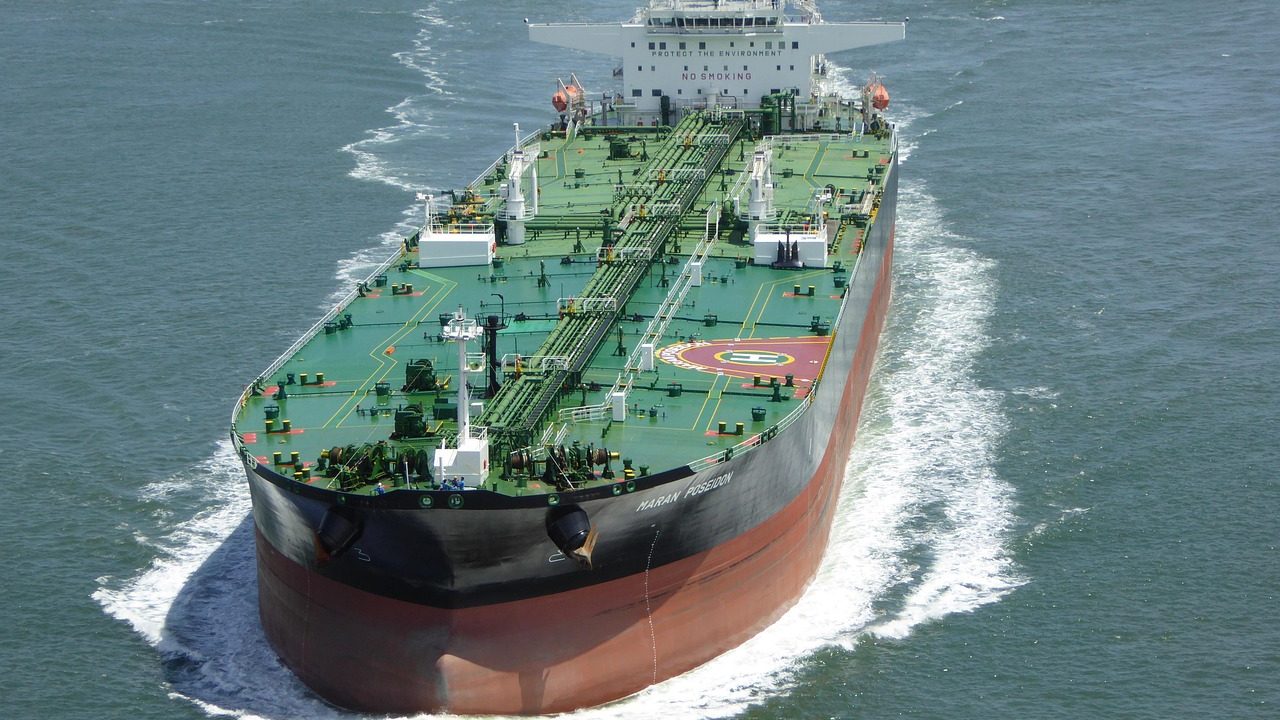
The Strait of Hormuz — a 21-mile-wide chokepoint through which roughly 20% of the world's oil supply passes daily — is now an active conflict zone. The UAE confirmed that Iranian missiles struck two tankers in the strait, killing one person. Satellite imagery reported Wednesday showed Iran actively rebuilding nuclear sites that had previously been bombed, and Iran's new supreme leader has vowed revenge against the United States.
The U.S. posture has shifted rapidly. Reports from days earlier described a proposed 'Hormuz toll' — essentially charging ships passing through the strait under an American security umbrella — but Trump has since reversed course entirely in favor of pursuing Gulf trade deals. The reversal does not resolve the underlying crisis. Iran has warned that any U.S.-hosting neighbor could become a target, a direct message to Saudi Arabia, the UAE, Qatar, and Bahrain, all of which host American military assets.
Iran's claim that U.S. strikes hit the perimeter of the Bushehr nuclear plant raises the specter of radiological risk alongside the standard military escalation calculus. Bushehr is a functioning reactor, not merely a research facility. Iran separately declared that the UAE must be 'held accountable' following U.S. moves to ease export controls, which Tehran is interpreting as evidence of closer American-UAE military coordination. The satellite imagery confirming nuclear site reconstruction makes clear that whatever strikes occurred did not achieve permanent disablement.
The leadership dimension compounds the danger. Iran's previous supreme leader, Khamenei, held power for 34 years and operated within a consistent, if confrontational, strategic doctrine. A new supreme leader has more to prove to the Revolutionary Guards and the hardline establishment, making the threat of retaliation credibly more volatile in the near term. Dubai's announcement of a major new port at Fujairah — on the Gulf of Oman side of the UAE, bypassing the strait entirely — signals that regional actors are betting on a long-term disruption, not a swift resolution. Port construction of that scale requires five to eight years minimum.
Amid the military deterioration, the UAE quietly released 55 Iranian fishermen — a small diplomatic gesture that suggests Gulf actors are trying to keep back channels alive even as the security situation worsens. For consumers globally, the stakes are direct: energy price shocks from Hormuz disruptions have historically transmitted quickly into household costs, potentially reversing any gains reflected in Wednesday's inflation report.