Europe Builds a War Footing Outside NATO's Framework
How this was made Verified AI
Every Intellegix briefing is generated from that day's broadcast and run through automated checks before it publishes — with a human paged on any flag. Here is the trail for this edition.
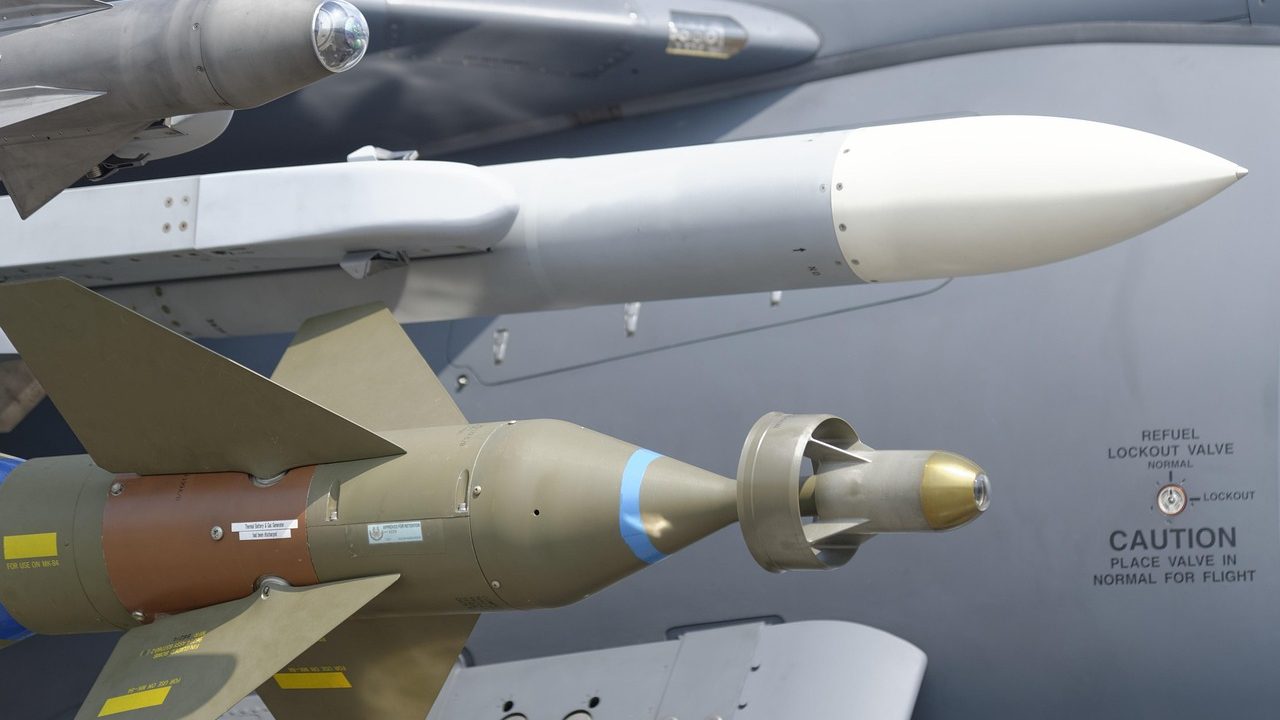
Nine European nations have formed a formal missile defense coalition with Ukraine — a qualitative step beyond weapons transfers or financial pledges. A coalition implies shared command structures, interoperability requirements, and a long-term commitment to Ukrainian air defense that would survive changes in individual national governments. Reports indicate that future Ukrainian Patriot missile production is likely to be based in Germany, meaning European defense industrial capacity is being explicitly expanded to support a country that belongs to neither the EU nor NATO.
French President Emmanuel Macron's Bastille Day eve address drew the starkest language of his presidency on European security. Speaking before gathered leaders of what has been called the Coalition of the Willing — a European security grouping that has developed outside NATO's formal structure, partly in response to uncertainty about American commitment — Macron declared that Europe is 'ready to defend freedom at the cost of blood.' The statement was addressed implicitly to both Moscow and Washington: Europe, he signaled, now possesses its own security doctrine and intends to back it with force.
A New York Times report added an intelligence dimension: Russia is reportedly running an active espionage operation out of Tokyo, using Japan as a base to source dual-use technology for its war effort. Japan has been one of the more consistent G7 supporters of Ukraine sanctions, making the disclosure diplomatically awkward for Tokyo. The operation suggests Russia has adapted its sanctions-evasion strategy to route through Asia, where scrutiny is lower than in Europe.
Ukrainian President Volodymyr Zelenskyy's wartime cabinet reshuffle — removing Prime Minister Yuliia Svyrydenko after approximately one year in office — represents a high-risk move during active conflict, signaling acute internal pressure over some specific failure in reconstruction funding, military procurement, or coalition management. Separately, the Trump administration's campaign to isolate the International Criminal Court through travel bans, visa revocations, and sanctions against ICC personnel — a direct response to the court's warrants related to the Russia-Ukraine conflict — is being watched closely by European nations that fund and belong to the court. Hungary's new government, meanwhile, joined the EU Prosecutor's Office, unlocking 16.4 billion euros in previously frozen funds, in a modest but meaningful shift toward EU cohesion.