Cuba's Grid Collapses Again as Crises Spread from Congo to Bangkok
How this was made Verified AI
Every Intellegix briefing is generated from that day's broadcast and run through automated checks before it publishes — with a human paged on any flag. Here is the trail for this edition.
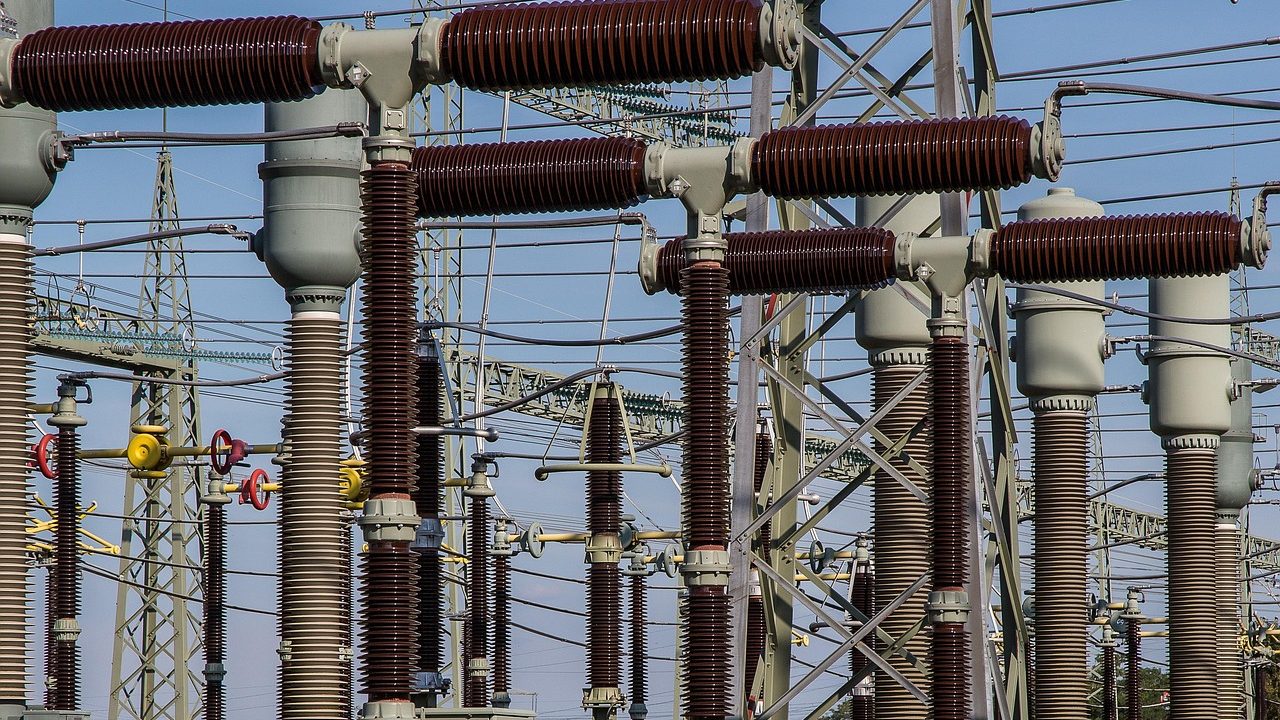
Cuba's electrical grid has collapsed for the third time in nine days. The infrastructure is Soviet-era — aging thermoelectric plants and distribution systems that have lacked major capital investment for decades, compounded by U.S. embargo restrictions on financing for modernization. The grid has been in chronic crisis since 2022, with rolling blackouts of 12 to 16 hours daily in some provinces. Three collapses in nine days suggests the system has moved from chronic stress to acute episodic failure. New U.S. sanctions on Cuba's tourism ministry and nine other entities, announced this week, amplify the crisis: tourism provides Cuba's primary foreign exchange earnings, and without hard currency, the government cannot purchase fuel for the thermoelectric plants that generate electricity.
The State Department placed Americans in the Democratic Republic of Congo on a 'do-not-board' list in response to an Ebola situation there, requiring a 21-day stay in a third country before returning to the United States — a quarantine calibrated to Ebola's incubation period. The DRC has experienced multiple Ebola outbreaks since 2018, but the severity of the U.S. response signals an elevated assessment of current spread risk. A cyclospora outbreak traced to lettuce has now spread across 31 states. Cyclospora is a microscopic parasite, not a bacteria, meaning cooking does not eliminate it; distribution across 31 states implies a major commercial supply chain source, and the CDC and FDA are working to identify the specific producer.
A pub fire in Bangkok killed a significant number of people after engulfing a venue called Rong Beer near Soi Ladprao 1 in the early morning hours — the period of maximum occupancy for nightlife venues. Thailand has a persistent record of inconsistent fire safety enforcement in entertainment establishments, and the tragedy is expected to prompt a round of inspections and regulatory statements, as similar events have historically done.
Colombia's presidential runoff produced unsubstantiated fraud allegations from the losing side, prompting a joint statement from more than a dozen countries — including the United States and Latin American allies — warning against efforts to undermine the results. The international community's willingness to push back collectively on election denial in Latin America reflects lessons drawn from Venezuela, Nicaragua, and other cases where earlier intervention might have altered trajectories. Typhoon Bavi struck eastern China after 2.2 million people were evacuated from Zhejiang province — one of China's most economically productive coastal regions, with major manufacturing and port infrastructure whose damage carries supply chain implications for global electronics and textile production.