Federal Dollars Flow In While Layoff Notices Go Out
How this was made Verified AI
Every Intellegix briefing is generated from that day's broadcast and run through automated checks before it publishes — with a human paged on any flag. Here is the trail for this edition.

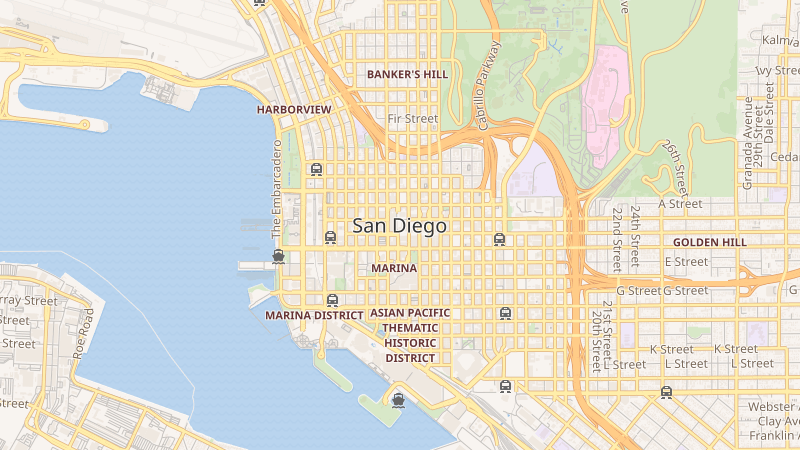
The high end of San Diego's economic ledger is striking by any measure. Northrop Grumman locked in a three-billion-dollar Department of Defense agreement providing thousands of local employees multi-year economic visibility. General Atomics received a twenty-million-dollar California Competes tax credit tied specifically to fusion energy expansion at the DIII-D National Fusion Facility — the only fusion research device operating as a Department of Energy national user facility in the entire western United States. On the biotech side, Khartis Therapeutics closed a fifty-million-dollar Series B, Japan's Craif established a thirty-three-million-dollar R&D fund focused on pancreatic cancer diagnostics, and UC San Diego is running an eighteen-million-dollar NSF quantum materials research center as part of a six-center, hundred-and-eight-million-dollar national initiative.
Sitting directly alongside those figures: ServiceNow is cutting 133 San Diego positions, with terminations hitting by September 28th. The company has described the reductions as strategic rather than financially driven, noting their concentration at senior and director levels — a framing that matters considerably less to the 133 people updating their résumés. Stone Brewing, one of the defining brands of San Diego's craft beer identity, filed a WARN notice covering 220 positions, with the first layoff phase scheduled for October 19th. The brewery's situation reflects a national industry-wide shift, with consumers moving away from craft beer toward ready-to-drink products and wine alternatives.
The county's unadjusted unemployment rate stood at 4.7 percent in July, tied for the year's high, while the seasonally adjusted figure of 4.3 percent trails both Orange County at 4.2 percent and San Francisco at 3.9 percent — regions San Diego typically outcompetes. More telling still, the regional labor force fell to 1.63 million workers in July, the lowest level in three years and nearly 50,000 below the March 2025 peak. When a labor force contracts at that scale, it signals residents leaving the region or leaving the workforce entirely.
The geography of who bears the pain sharpens the picture further. Defense contracts and biotech funding concentrate in corridors like Sorrento Valley, Torrey Pines, and Miramar. Stone Brewing's workforce is distributed differently — its Escondido brewery, its taprooms — touching a different slice of working-class San Diego than the sectors pulling in federal dollars. A headline unemployment rate averaged across a Northrop engineer and a Stone Brewing production worker, as one analysis put it, tells you almost nothing about what either is actually experiencing.
The housing market adds further texture: the county median for existing single-family homes reached $1.099 million in July, up 5.7 percent year-over-year, but sales volume fell 6.7 percent month-over-month. In commercial real estate, industrial vacancy reached 7.06 percent with net absorption turning negative at minus 236,000 square feet — a sharp reversal from positive 1.1 million square feet the prior quarter. The picture that emerges is a region genuinely strong in its federally anchored sectors and genuinely stressed at its edges, with the gap appearing wider than it did two years ago.