Land, Authority, and Accountability: Three Civic Fights Defining San Diego's Fall
How this was made Verified AI
Every Intellegix briefing is generated from that day's broadcast and run through automated checks before it publishes — with a human paged on any flag. Here is the trail for this edition.

Three overlapping disputes are shaping San Diego's civic landscape this fall, each turning on a version of the same fundamental question: who controls public assets, and through what process are those decisions made?
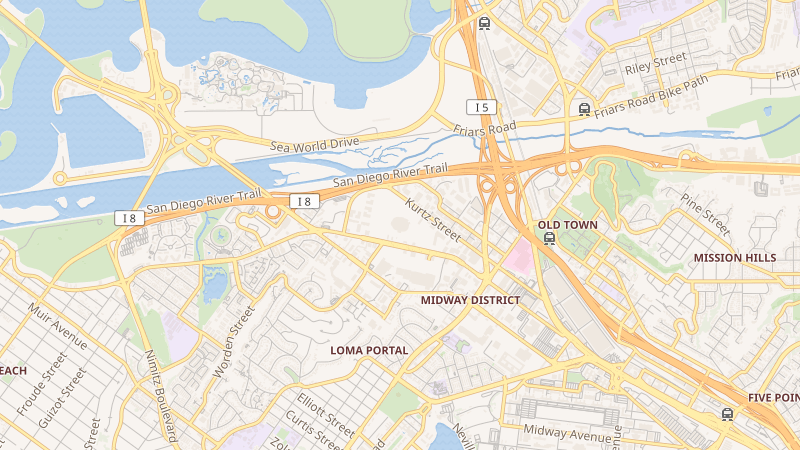
The Midway Rising development saga entered a new phase after the City Council repealed Measure C on August 25th under a court order — erasing the arena-anchored development measure voters had originally approved. State Senator Akilah Weber Pierson is now expected to pursue a gut-and-amend maneuver in Sacramento to exempt Midway Rising from standard California Environmental Quality Act review. Critics of the exemption argue that Pechanga Arena's coastal zone location — with its complex baseline of stormwater, traffic, and groundwater considerations — is precisely the kind of site CEQA was designed to scrutinize. Supporters counter that the project has already cleared years of public process and that environmental review is being used as a delay tactic against a development the community needs. The gut-and-amend legislative technique itself draws scrutiny: it replaces the content of an existing bill at the last minute, allowing proponents to bypass the committee hearings and stakeholder input a new bill of comparable significance would otherwise require.
The second conflict pits the San Diego County Board of Supervisors against Sheriff Kelly Martinez over law enforcement training access. The Board voted 3-2 on August 18th to terminate ICE and Customs and Border Protection training access at Otay Mesa and Camp Elliott. Sheriff Martinez subsequently used her independent executive authority to restore CBP access for roughly 1,700 officers requiring recertification, while keeping ICE entirely cut off. The Board majority's position frames their vote as a policy decision with civil liberties implications — July arrest figures across San Diego and Imperial counties reached nearly 2,000, roughly 50 percent above June levels, with approximately 60 percent of those arrested carrying no criminal conviction and no pending charge. The Sheriff's position holds that officer recertification is an operational matter within her executive authority, not subject to Board direction. The legal and constitutional question of whether a separately elected sheriff can reinstate what the Board voted to terminate remains unresolved.
The third story has received less attention than its implications warrant. A city audit of municipal golf course leases found that San Diego owns eight courses covering more than 800 acres of public land. Private operators generated $34 million in gross revenue in fiscal year 2025; the city received $3.5 million in rent for calendar year 2024 — roughly ten cents returned to the public for every dollar generated on public land. The audit creates a durable public record in a city where affordable housing and park access are perennial budget fights, and renegotiating the leases — though legally complex — could meaningfully shift what those 800 acres return to city coffers.