A $1.099 Million Housing Market in Suspended Animation and a Defense-Fueled Economic Paradox
How this was made Verified AI
Every Intellegix briefing is generated from that day's broadcast and run through automated checks before it publishes — with a human paged on any flag. Here is the trail for this edition.
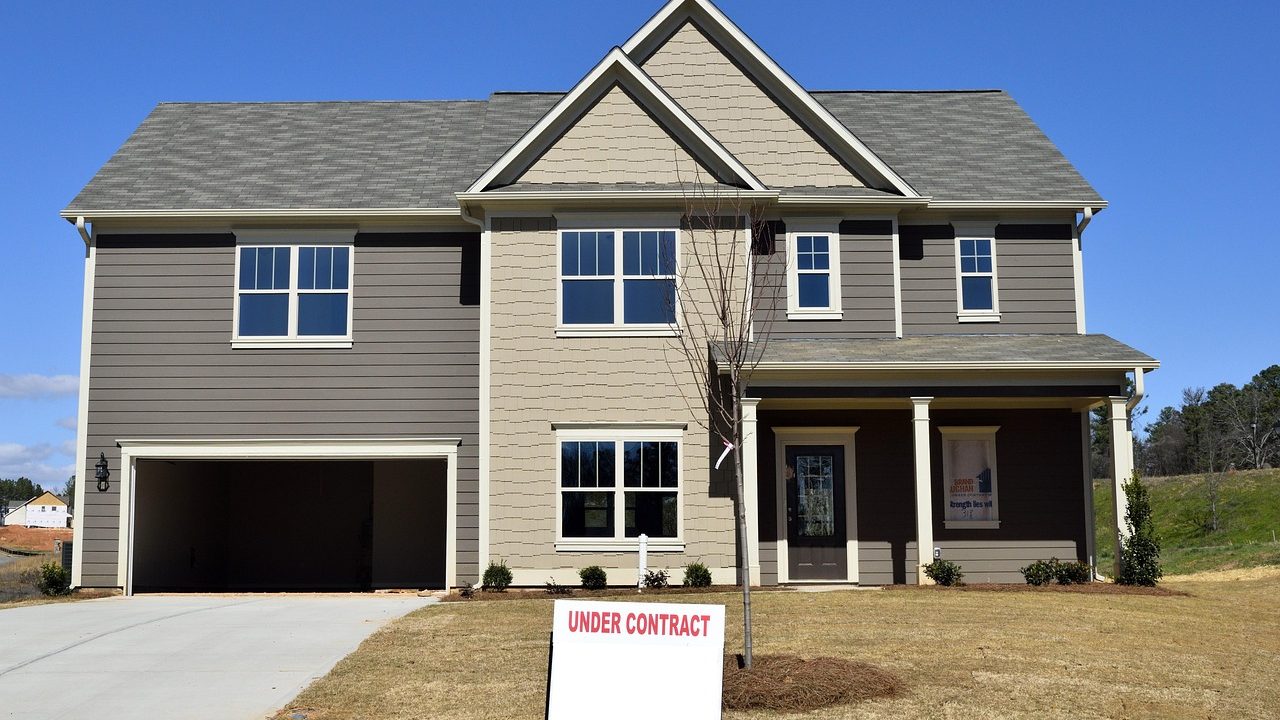
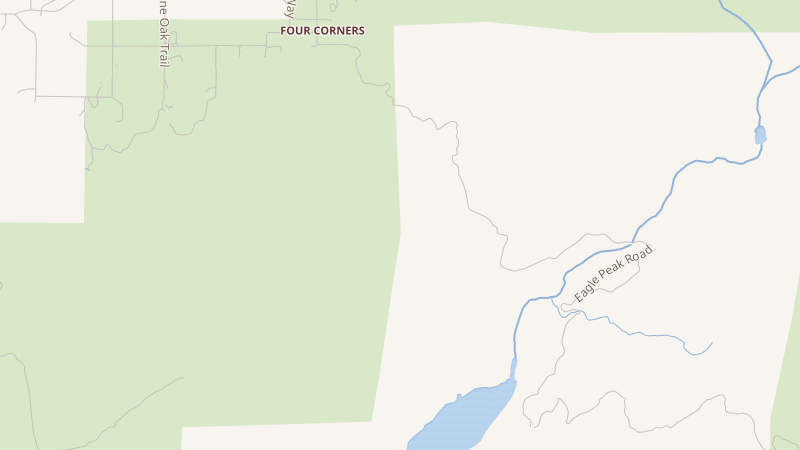
San Diego County's median price for existing single-family homes reached $1.099 million in July — up 1.3 percent from June and 5.7 percent year-over-year. The headline figures favor sellers, but the context reframes them sharply: sales volume fell 6.7 percent from June, active listings have been building for months, and the 30-year fixed mortgage rate stands at 6.69 percent. Many owners locked into low-rate mortgages from 2020 and 2021 have little incentive to sell; buyers facing current rates on a $1.1 million home encounter monthly payments that price out most dual-income households. The result is a market that neither corrects nor recovers — it grinds.
Commercial real estate is more visibly bifurcated. Industrial vacancy sits at 7.3 percent, with leasing hitting 1.8 million square feet in the second quarter — up 37 percent from the prior quarter and 38 percent above the five-year quarterly average. Office vacancy countywide is 15.4 percent, though the Eastgate submarket near UC San Diego has led office absorption for two consecutive quarters, reflecting the concentration of life-science and health-technology tenants. Overall life-science vacancy is running around 26 percent, reflecting the sector's post-2022 correction.
Defense and deep-technology investment continues at a scale that receives limited day-to-day attention. Northrop Grumman secured a $3 billion Department of Defense agreement. 3D Systems received a $9 million Air Force contract for advanced metal printing. General Atomics is receiving a $20 million California Competes tax credit for its fusion development expansion — the company operates the DIII-D National Fusion Facility, described as the only fusion research device in the western United States running as a Department of Energy national user facility. UC San Diego received an $18 million NSF grant to establish a quantum materials research center, part of a $108 million NSF initiative funding six centers nationally, with Professor Michael Sailor leading the effort out of the Jacobs School of Engineering.
West Health and UC San Diego Health launched a $40 million care technology accelerator. Jazz Pharmaceuticals acquired Carmel Valley-based Actio Biosciences for $820 million, signaling continued pharmaceutical confidence in San Diego's biotech pipeline despite elevated sector vacancy. AI vehicle inspection startup Self Inspection raised $10 million backed by a venture fund connected to Sheryl Sandberg. Developer Lowe has committed $201.5 million to the Plaza Bonita redevelopment in National City, a mall-to-mixed-use conversion near the 805 and 54 interchange, though full program details have not yet been made public.
The counter-narrative to job growth is ServiceNow, which is cutting 133 positions at its San Diego office by September 28th. The company posted $3.877 billion in Q2 revenue — a 23 percent year-over-year increase — while eliminating more than half of its San Diego headcount at senior and director levels. The pattern: a company reorganizing toward automation even as revenue accelerates. California FAIR Plan rates rise 29 percent effective October 1st, hitting hardest in Alpine, Lakeside, and Spring Valley — communities in East County already paying a premium for wildfire-exposure areas and now facing a near-30 percent jump in what is, for many, their only available insurer.