America's Data Exposed: Smart TVs That Listen and 153 Million Stolen Licenses
How this was made Verified AI
Every Intellegix briefing is generated from that day's broadcast and run through automated checks before it publishes — with a human paged on any flag. Here is the trail for this edition.
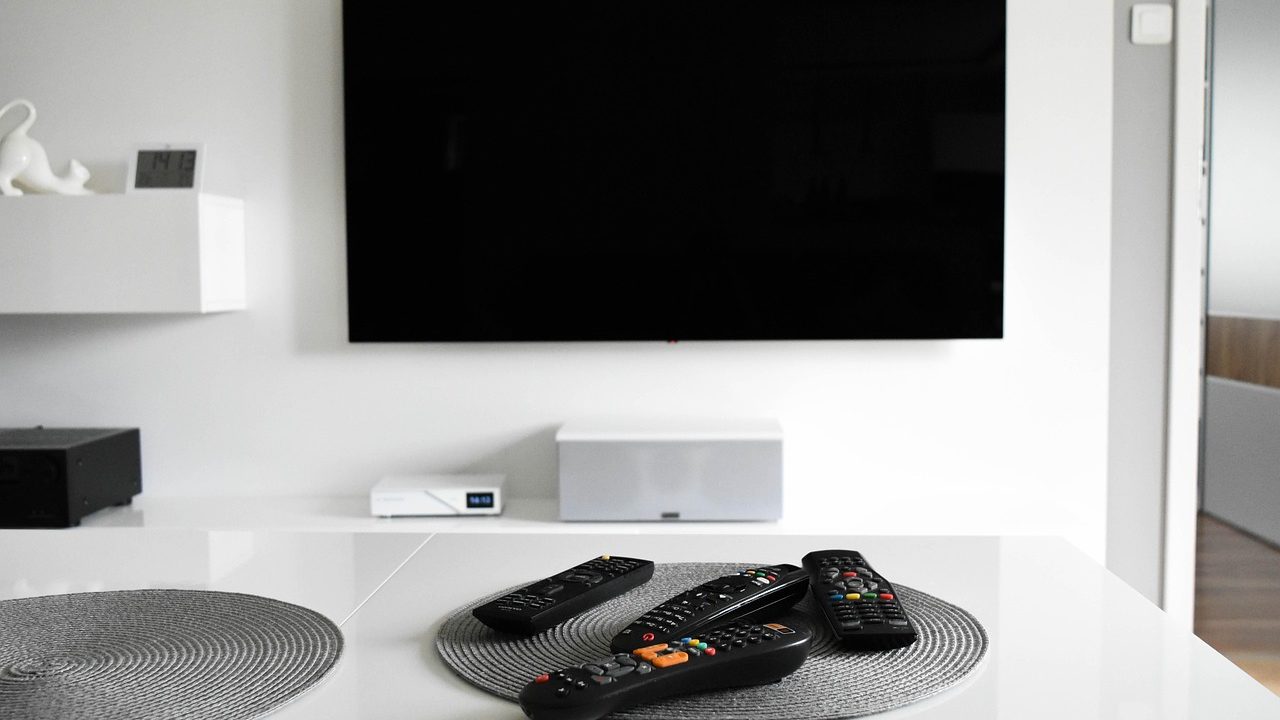
An investigation has found that LG smart televisions actively log audio even when the set is in standby mode — a state most users assume means the device is essentially off — and scan the home networks they are connected to. The microphone remains active, collecting data without the kind of meaningful informed consent privacy advocates argue should be required. The network scanning component adds a further layer: the television is mapping what other devices are connected to a home's Wi-Fi, data that could be used to build detailed profiles of a household's technology ecosystem.
LG will likely argue that the behavior is disclosed somewhere in its terms of service, and technically may be correct. But the legal question and the ethical question are different. The legal question is whether a buried disclosure in a multi-thousand-word terms document constitutes adequate consent; the ethical question is whether a television manufacturer should be collecting this data at all. Consumer IoT devices — televisions, refrigerators, thermostats — operate in a substantially less regulated space than smartphones, and the LG finding will likely renew Congressional attention to a federal privacy framework that has stalled repeatedly over industry lobbying.
The IDScan breach represents a different category of failure — data collected for legitimate identity verification purposes exposed through a security failure. At least nine lawsuits have been filed after the breach compromised driver's license data belonging to 153 million Americans. For context, there are approximately 240 million licensed drivers in the United States, meaning the breach affected roughly 64 percent of them. The exposed data includes names, addresses, dates of birth, license numbers, and in many cases physical descriptions — everything needed for identity fraud, credential stuffing, or targeted phishing.
IDScan operates in the identity verification space, its systems used by businesses to verify age or identity at point of sale or online. The breach illustrates the concentration risk inherent in outsourcing identity verification to third-party vendors: each individual business that used IDScan likely had no idea its customers' data was aggregated into such a high-value target. Nine lawsuits filed in short order suggests plaintiff attorneys were prepared, with legal theories expected to focus on negligent data security, breach of contract, and potential violations of state-level privacy statutes including Illinois's BIPA and California's CCPA.