Webb Telescope Witnesses a Frozen World Come Alive
How this was made Verified AI
Every Intellegix briefing is generated from that day's broadcast and run through automated checks before it publishes — with a human paged on any flag. Here is the trail for this edition.
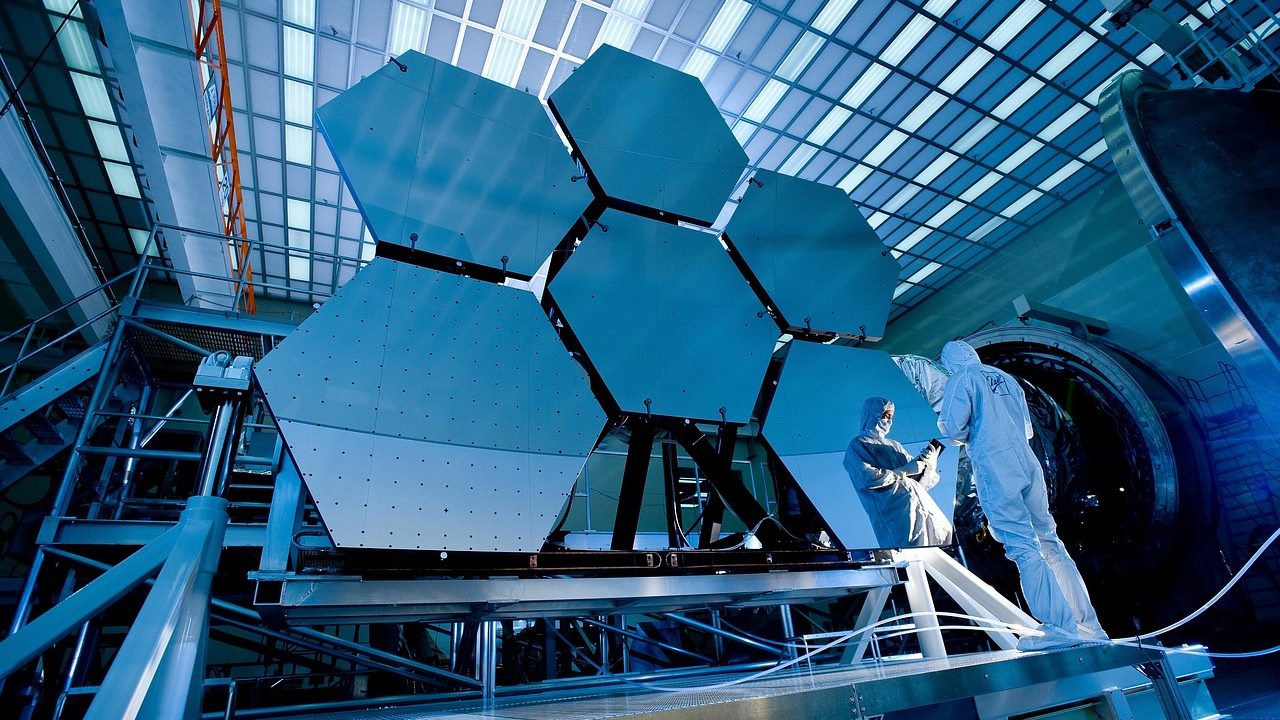
The James Webb Space Telescope captured this week what astronomers describe as the first real-time observation of an icy body transforming into an active comet. The object — a distant Kuiper Belt or trans-Neptunian body — is undergoing sublimation as it moves closer to the sun: ice converting directly to gas, carrying dust outward and forming the characteristic coma and tail associated with comets. The process has been theoretically modeled for decades but never directly observed in progress. Webb's infrared sensitivity made the observation possible at a distance where ground-based telescopes lack the necessary resolution.
The scientific value extends beyond spectacle. Comets are considered among the most pristine material in the solar system — essentially frozen samples of the conditions present when the planets were forming, approximately 4.6 billion years ago. Understanding the activation process yields data about early solar system chemistry and potentially about how volatiles like water reached the inner planets. There is, researchers note, a direct line from Webb's observation of a distant icy body to questions about the origin of Earth's oceans.
Webb has been operating beyond its original mission parameters, its propellant budget stretched significantly beyond the initial 10-year estimate by the precision of its launch trajectory. The telescope may remain operational well into the 2030s, and it continues delivering observations its designers did not anticipate being possible. At a development cost of roughly $10 billion, Webb represents the kind of basic scientific infrastructure whose returns compound in ways no quarterly earnings report can capture — a point that carries weight in a moment when federal science budgets are under sustained pressure and the return-on-investment calculus for basic research is being actively challenged.
The data center water consumption story discussed elsewhere in the week's news connects here as an infrastructure counterpoint. Where Webb exemplifies the long-term payoff of patient public investment, the energy and water demands of hyperscale AI facilities illustrate the immediate physical costs of rapid private buildout — costs that are landing on municipal grids and water systems in Louisville, Tucson, and Bangkok simultaneously.