Strike on Iran's Oil Lifeline Sends Shockwaves Through Energy Markets
How this was made Verified AI
Every Intellegix briefing is generated from that day's broadcast and run through automated checks before it publishes — with a human paged on any flag. Here is the trail for this edition.
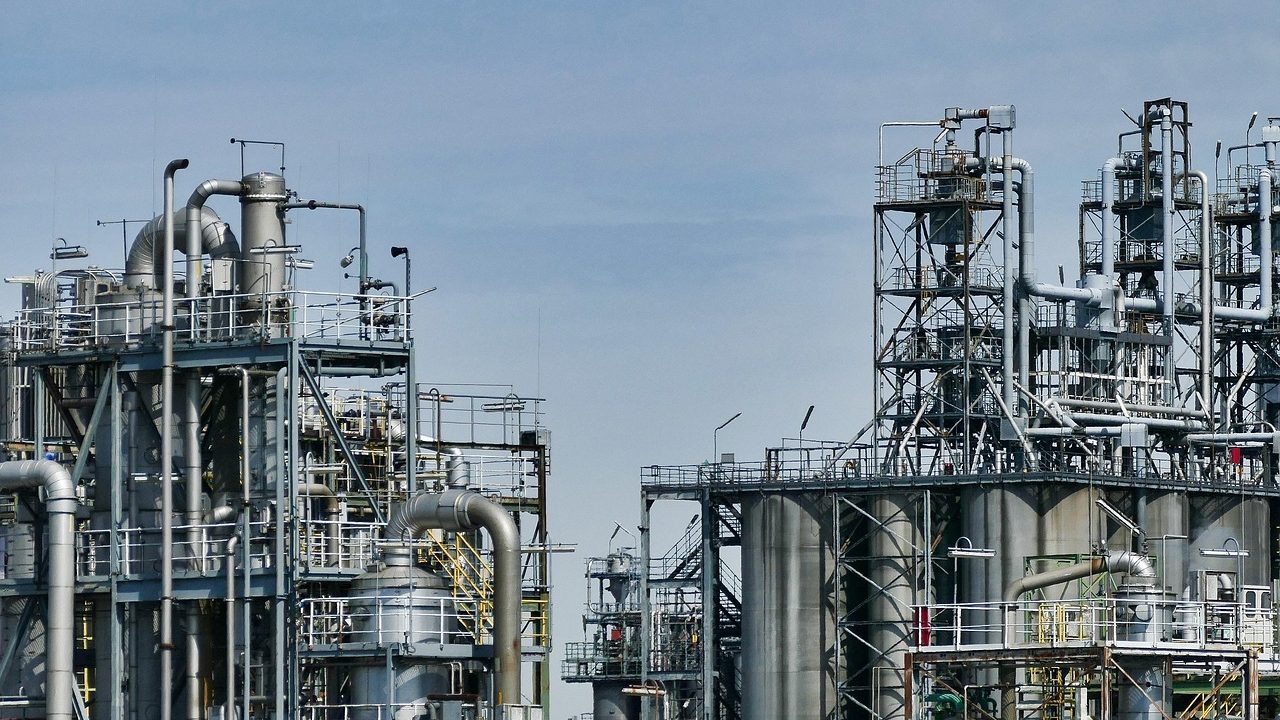
Iranian state media, specifically the semi-official Fars News Agency, reported Saturday that explosions were heard near Kharg Island in the Persian Gulf, attributing the blasts to four U.S. missiles. Kharg Island handles between 90 and 95 percent of Iran's crude oil exports — what analysts describe as the arterial valve of the Iranian economy. Iran exports roughly 1.5 million barrels per day, the vast majority through Kharg, and even a partial disruption ripples immediately into Brent crude pricing. S&P futures were down approximately 32 points, or about 0.4 percent, by Saturday morning, with energy sector volatility a significant driver.
The silence from both governments is doing considerable diplomatic work. When a government declines to deny a military strike, that restraint is often deliberate — preserving deniability and allowing both sides to calibrate their response without locking into a public position. But the ambiguity cuts both ways: Iranian hardliners face intense domestic pressure to respond regardless of whether Washington confirms involvement.
If confirmed, the strike would represent a categorically different kind of military action than targeting a weapons depot or proxy militia position. Maritime commercial infrastructure has historically carried different legal and diplomatic weight, and every actor in the region is reading that signal. The nuclear diplomacy dimension compounds the severity: back-channel conversations about a partial deal on the Iran nuclear file have been underway for months, and a kinetic strike on Iran's primary oil export infrastructure would, in the assessment of regional analysts, effectively end those conversations for the foreseeable future.
The Strait of Hormuz looms over all of it. Approximately 21 percent of global oil supply passes through that chokepoint, and Iran's most consistent deterrent threat has been to mine or blockade the Strait in the event of direct conflict. If Tehran concludes that the Kharg strike was deliberate U.S. action, that threat moves, as one analysis put it, from rhetorical to operationally relevant very quickly.