From Bergheim to Brandenburg: Germany's Substation Attacks Signal a New Phase of Hybrid Warfare
How this was made Verified AI
Every Intellegix briefing is generated from that day's broadcast and run through automated checks before it publishes — with a human paged on any flag. Here is the trail for this edition.
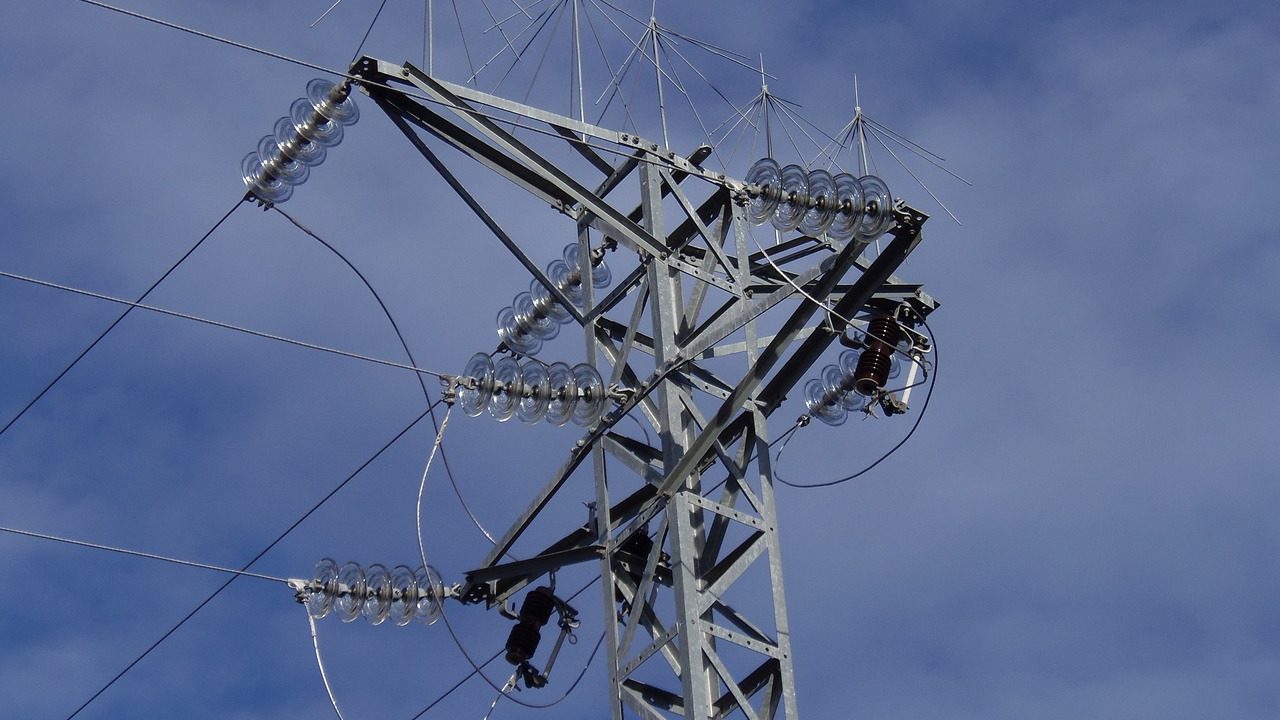
On Tuesday, two separate electrical substations in Germany were struck within hours of each other — one near Bergheim in western Germany hit with what police describe as rockets, a second in Brandenburg targeted through deliberate vandalism. German authorities labeled both incidents sabotage and began escalating their response under the official category of hybrid threats, signaling that Berlin is moving toward treating such attacks as acts of aggression even when direct attribution in real time remains difficult.
The simultaneity is what distinguishes this from opportunistic crime. Substations are spread across wide geographic areas, often in semi-rural locations, and a single successful attack can cascade into outages affecting tens of thousands of people — making them high-value, difficult-to-defend targets. Germany's grid remains under structural stress following the energy restructuring that came after Nord Stream gas flows ended in 2022, compounding the vulnerability.
The Bergheim rocket attack in particular represents an escalation in lethality beyond what European security analysts had previously tracked under the so-called gray zone campaign — a documented strategy of destabilizing NATO member infrastructure below the threshold that would trigger a formal Article 5 collective-defense response. Previous incidents, including Baltic undersea cable disruptions in late 2024 and railway sabotage in northern Germany, involved lower-capability methods.
The formal hybrid-threat framing from Berlin carries implications for NATO's collective response posture. The alliance has wrestled for years with how to handle attacks designed to stay just below Article 5's conventional-warfare threshold. If Germany moves toward formally attributing such strikes to a state actor — as intelligence services are reportedly inclined to do — it could force a renegotiation of what constitutes an 'attack' triggering collective defense obligations. The incident also lands in a week when Russian missile strikes on Ukrainian power infrastructure and U.S.-Iran tensions are simultaneously pressuring European energy markets, making Germany's grid not merely a domestic security story but a node in a continent-wide energy battlefield.