War Without Borders: Turkish Ships, NATO Fault Lines, and Russia's Fracture Risk
How this was made Verified AI
Every Intellegix briefing is generated from that day's broadcast and run through automated checks before it publishes — with a human paged on any flag. Here is the trail for this edition.
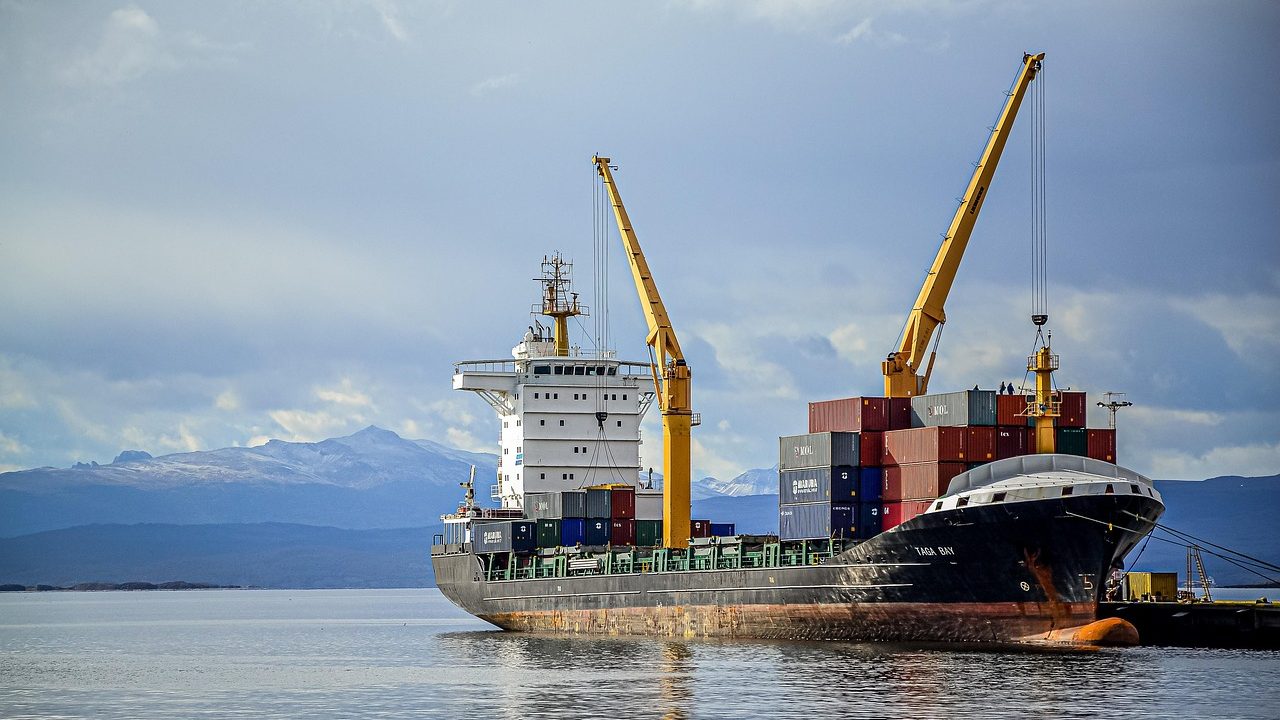
The war in Ukraine opened an uncomfortable new front this week when Turkey summoned Ukraine's ambassador after drone strikes hit Turkish cargo ships. The incident carries implications far beyond a bilateral diplomatic row: Turkey is a NATO member, Ukraine is a NATO aspirant, and a Ukrainian strike on Turkish vessels — Kyiv has not formally acknowledged the strikes — represents either a serious targeting error in an increasingly autonomous drone environment or a deliberate calculation that Turkish shipping was supporting Russian logistics. Neither explanation is comfortable for an alliance nominally united behind Kyiv.
The incident lands at a moment when Turkey's foreign relationships are under simultaneous strain. Ankara this week officially compared Israel to a Nazi propaganda machine, a characterization that goes beyond diplomatic grumbling to evoke the Shoah directly — language that European NATO members with Holocaust memory laws cannot absorb quietly. Turkey simultaneously maintains trade relations with Russia, has supplied Bayraktar drones to Ukraine, and has positioned itself as an indispensable mediator. A Ukrainian strike on Turkish ships ruptures all three postures at once, raising the unspoken question of whether Turkey's position within NATO is becoming structurally untenable or whether alliance partners will once again decide that Ankara's geographic position — controlling the Bosphorus, bordering Syria, Georgia, and Iraq — is too valuable to risk over rhetoric.
A separate and arguably more consequential warning arrived from Estonia. Kaupo Rosin, who heads one of Europe's most credible signals-intelligence agencies — credible precisely because Estonia has spent decades studying its former occupier — said Russia could collapse overnight. His framing was specific: discontent with the war is growing at every level of Russian society, from ordinary citizens to oligarchs. Western analysts have been wrong about Russian instability timelines before, but Rosin's emphasis on elite defection distinguishes this assessment from earlier collapse predictions. Popular protest the Kremlin has proven adept at suppressing; elite defection, among the people who benefit most from the existing order, is structurally harder to police.
Against this backdrop, Putin chose to characterize the war in Ukraine this week using an orca-versus-polar-bear metaphor — orcas being apex predators that hunt in coordinated packs and attack seemingly larger prey at vulnerable points. The choice projects internal confidence about the conflict's trajectory. Whether it reflects genuine confidence or is calibrated for a domestic audience that no longer fully believes the official narrative, the gap between Putin's public metaphor and what Rosin describes happening privately within Russian society is, historically, exactly the kind of gap that precedes rapid and destabilizing change.