America's Data Center Hunger — and One Overdue Sequel
How this was made Verified AI
Every Intellegix briefing is generated from that day's broadcast and run through automated checks before it publishes — with a human paged on any flag. Here is the trail for this edition.
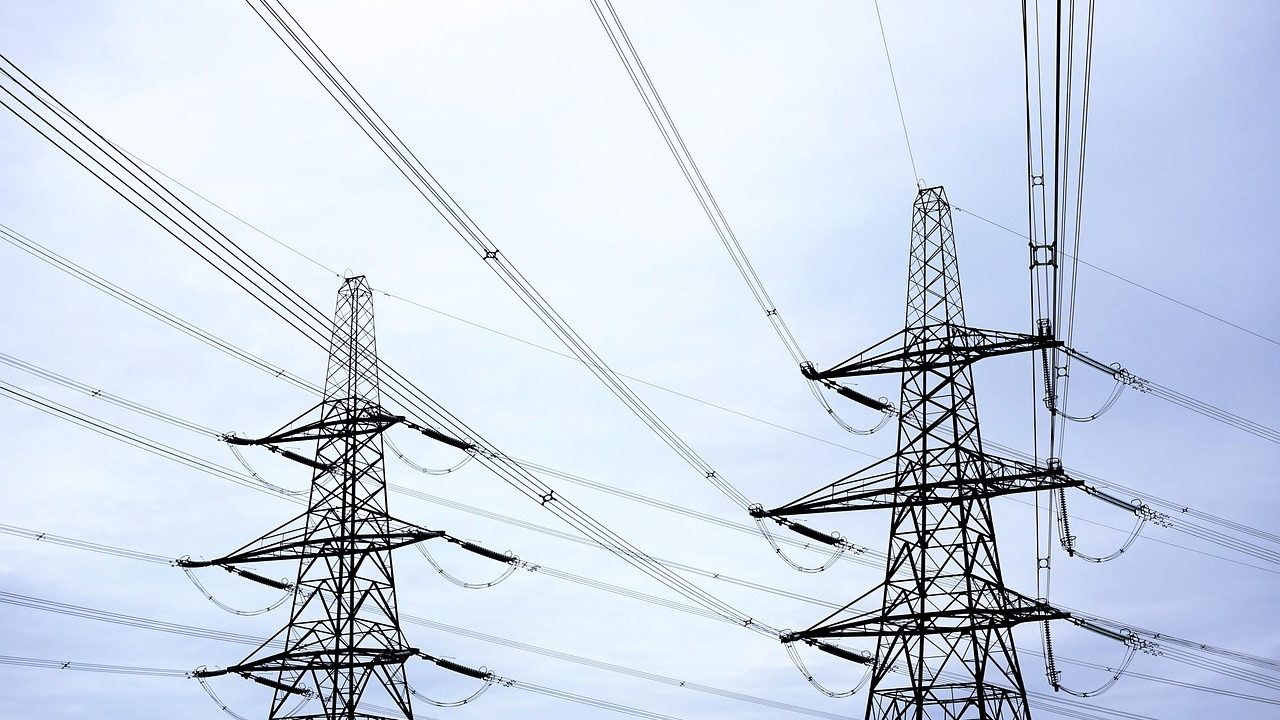
The United States now consumes nearly forty percent of global data center electricity, a figure that becomes concrete when set against the International Energy Agency's projection that worldwide data center power consumption could double by 2030. The primary growth driver is AI inference workloads: every large-language-model query, every AI-generated image, every document analysis consumes meaningful electricity, and the volume of those workloads is rising sharply.
The grid consequences are already visible geographically. Northern Virginia hosts what is estimated to be the world's largest concentration of data centers, and some counties there have effectively halted new data center approvals because local grid capacity cannot support additional load without transmission upgrades that take years to complete. Major operators — Microsoft, Google, Amazon, and others — have committed to hundreds of gigawatts of new renewable capacity through power purchase agreements, but renewable intermittency means the gap between clean-energy commitments and reliable baseload power is, in many cases, being filled with natural gas, creating tension with the sustainability pledges those same companies have made publicly.
On a lighter note, author Harlan Coben has broken his publicly stated rule against sequels to agree to a continuation of Netflix's Myron Bolitar series. Coben's adaptations have been among Netflix's most reliable international performers, and the reversal suggests the platform's internal data showed audience demand strong enough to make a creative case that overrode a longstanding authorial commitment — a small signal about how streaming platforms are weighing franchise continuity against anthology structure.
Stepping back from the day's events, the most honest assessment of the AI productivity question — whether the technology is genuinely transforming the economy or arriving more slowly than predicted — is that current measurement tools are too blunt to give a definitive answer. Economic history, including the decades-long lag before electrification showed up in productivity statistics, suggests transformative technologies can be invisible to standard metrics until they suddenly are not. The signal to watch: sector-specific productivity data from the Bureau of Labor Statistics for professional services — law, consulting, finance, software development — over the next four to six quarters. A divergence from historical trend in those sectors would be strong evidence that real gains are running ahead of the measurement. And if Anthropic's IPO, should it occur, prices above a hundred billion dollars despite today's eleven percent market share figure, that too would tell a story — that sophisticated institutional investors are pricing long-term trajectory, not current reality.