OpenAI's Sales Leadership Hollows Out Ahead of IPO as Smart Home AI Fails the Reality Test
How this was made Verified AI
Every Intellegix briefing is generated from that day's broadcast and run through automated checks before it publishes — with a human paged on any flag. Here is the trail for this edition.
OpenAI's commercial organization is showing signs of structural fragility at the worst possible moment. Kaylin Voss, Vice President of Sales, resigned this week — one week after her direct supervisor, Chief Revenue Officer Denise Dresser, departed. When a VP exits a week after her boss, analysts note, it is rarely coincidence: it reflects a team built around a particular leader's vision that follows that leader out the door. Other members of the sales organization are reportedly considering their own departures.
The timing is the central problem. OpenAI is reportedly in the late stages of IPO preparation, and institutional investors on any roadshow will ask pointed questions about sales leadership continuity, pipeline stability, and whether departures reflect compensation disputes, strategic disagreements, or concerns about the company's direction under CEO Sam Altman. OpenAI's commercial revenue flows from enterprise API contracts and ChatGPT subscription tiers — relationships that are deeply personal and account-managed at senior levels. When the executive who closed a major enterprise contract leaves, the relationship risk is concrete. Competitors including Anthropic, Google DeepMind, and Meta AI are actively pursuing the same enterprise customers, and an OpenAI that appears internally chaotic hands them an opening.
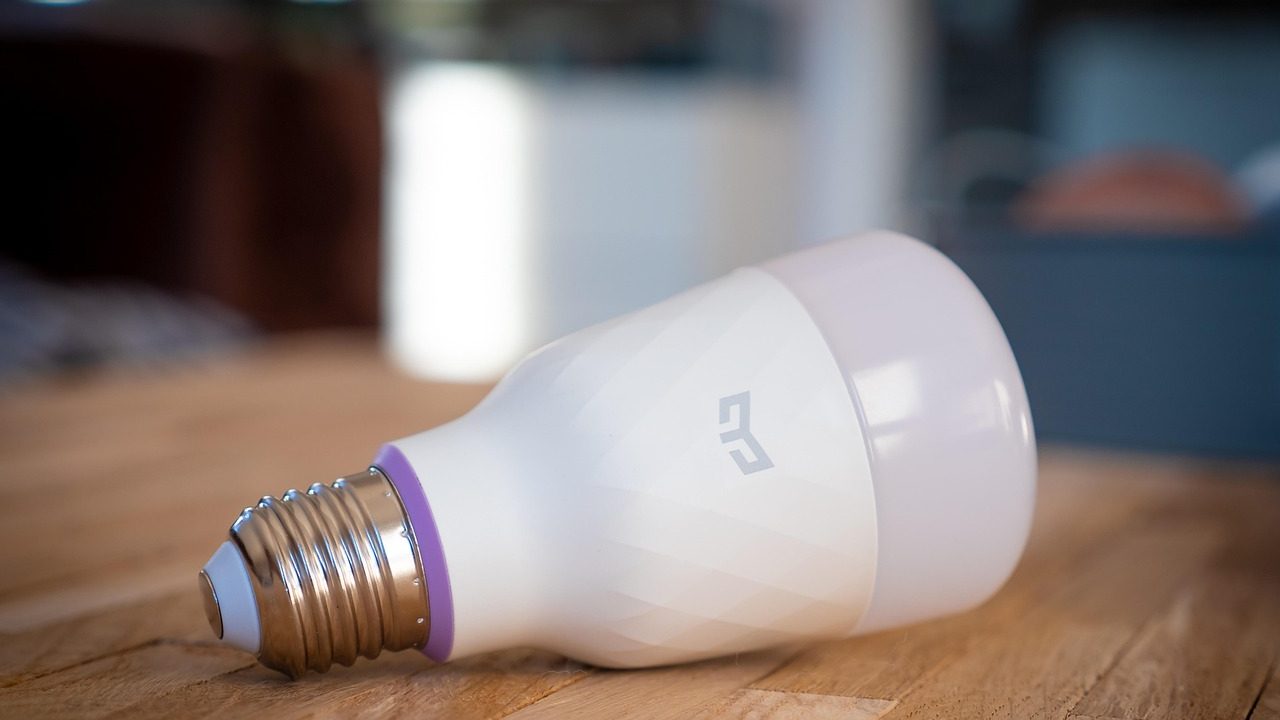
A comprehensive assessment published this week offered a sobering counterpoint to the industry's AI hype cycle: smart home assistants, across major platforms, remain unreliable in meaningful ways a full year after launch. The specific failure modes are instructive. Context retention breaks down across multi-turn conversations. Complex multi-step home automation sequences — the kind demonstrated in marketing materials — fail at rates users find unacceptable. Roughly 34 percent of complex multi-step requests resulted in partial completion or failure, according to the assessment.
The failure is partly computational — the tension between edge device inference capability and cloud latency — and partly a training data problem. Real home environments are acoustically messy and conversationally contextual in ways that clean training datasets do not capture. Industry sources acknowledge that another 18 to 24 months of iteration is needed before reliability matches the promise made at launch. The consumer trust deficit created by early failures is compounding: users who have had bad experiences stop assigning the system complex tasks, which means the usage data needed to improve the model never gets generated — a feedback loop that punishes premature deployment.