The Dollar Wobbles, and What That Signals Beyond Friday's Close
How this was made Verified AI
Every Intellegix briefing is generated from that day's broadcast and run through automated checks before it publishes — with a human paged on any flag. Here is the trail for this edition.
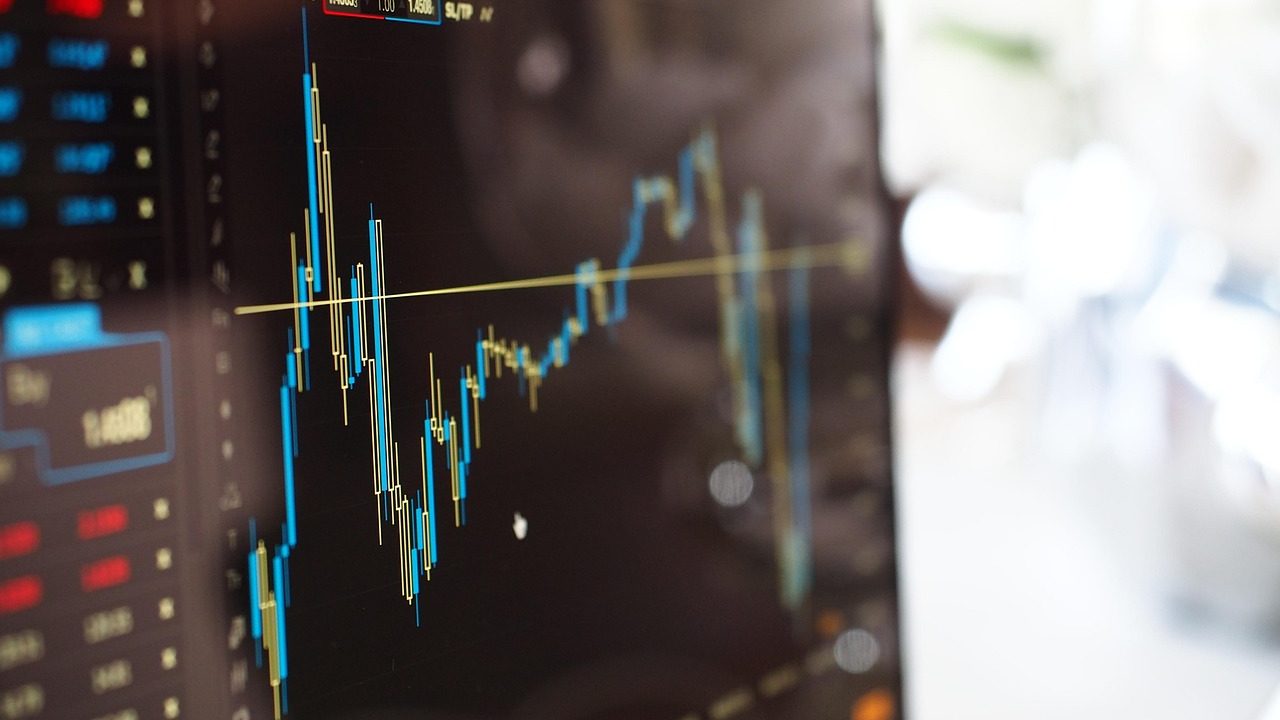
S&P futures opened Friday at 7,687.5, up roughly 25 points or 0.33 percent from the prior session, after trading in a tight overnight band — between approximately 7,664 and 7,671 for most of the session — before a morning move higher. That pattern, a constricted overnight range followed by a moderate pre-market pop, is characteristic of thin pre-weekend trading driven by retail flows and algorithmic adjustment rather than institutional conviction.
The dollar's story is more consequential. Reuters framed its positioning as investors balking at the U.S. Treasury's 'rescue efforts' — language implying that active interventions or policy signals aimed at supporting dollar strength have met market skepticism. When markets treat Treasury actions as noise rather than signal, it typically indicates that the underlying conditions driving weakness are perceived as structural rather than correctable by short-term intervention.
A weaker dollar is not automatically negative for U.S. equities — for multinationals it can function as a revenue tailwind — but it does raise questions about global confidence in U.S. policy direction that extend beyond any single Friday's trading session. The dollar's role as the world's reserve currency depends ultimately on the perceived credibility of U.S. fiscal and monetary policy, and a sustained weekly loss is one data point in that larger credibility calculation.
The currency dimension connects, obliquely, to the UN race. Grynspan's years leading UNCTAD have given her a substantive record on the dollar's structural advantages in global trade finance and the burdens those advantages create for developing economies. Whoever leads the UN in 2027 will operate in an international economic environment where dollar hegemony is being actively questioned — not only by Russia and China but by a broader coalition of emerging market economies seeking alternatives in settlement and reserve holdings.