Primary Night Splits the Map — and the Party
How this was made Verified AI
Every Intellegix briefing is generated from that day's broadcast and run through automated checks before it publishes — with a human paged on any flag. Here is the trail for this edition.
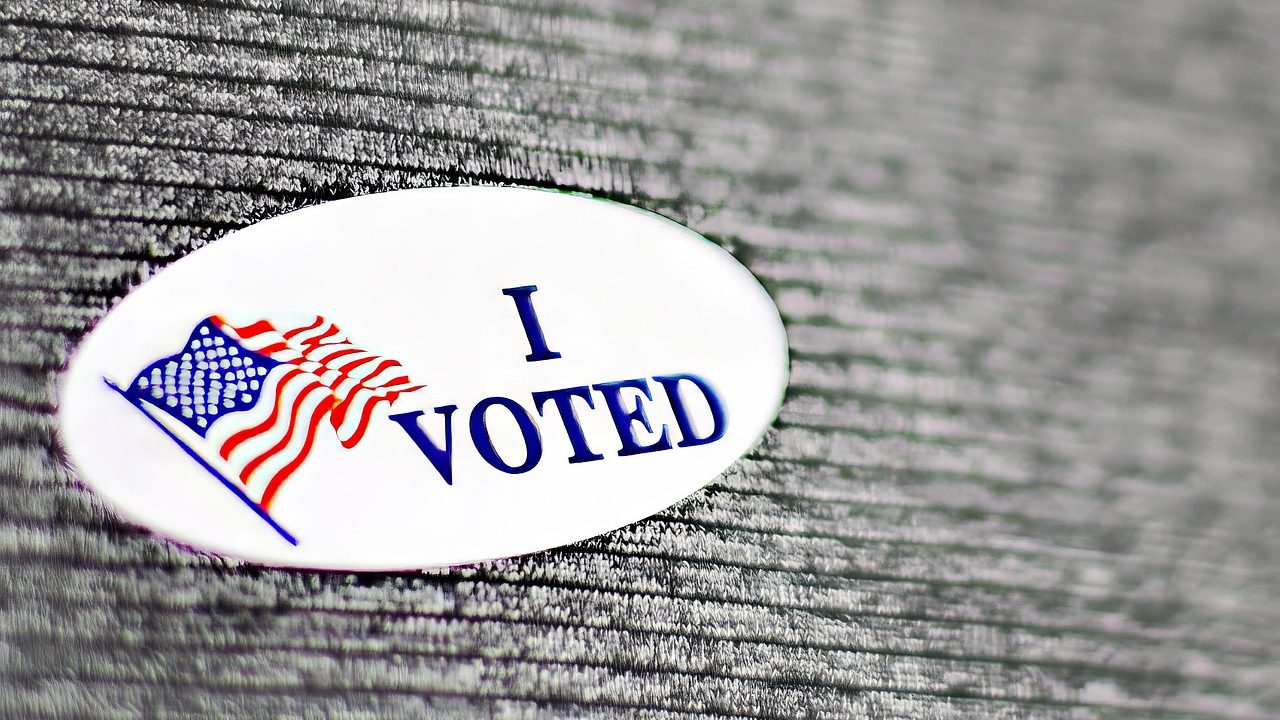
Tuesday's Senate primaries produced sharply contrasting results. In Kansas, Pastor Adam Hamilton won the Democratic nomination out of an eleven-candidate field. Hamilton leads Resurrection United Methodist Church, which counts roughly 22,000 members and is among the largest congregations in the United States. He will face Republican incumbent Roger Marshall in November in a state that has not sent a Democrat to the Senate since 1932 — ninety-four years ago.
What Hamilton's victory signals is less about Kansas math than about Democratic strategy. A megachurch pastor winning a Democratic primary suggests the party is actively attempting to reach voters it has largely written off for decades, deploying a candidate who can speak to rural voters on economic terms without alienating the party's urban base. Whether that calculation survives a general election in Kansas is an open question, but the strategic departure itself is real.
Michigan's Democratic primary remained too close to call Wednesday morning, and the uncertainty there carries more national weight. Michigan is a genuine presidential swing state, and its Democratic coalition is visibly fractured — labor voters, Arab-American communities deeply alienated by the party's Gaza posture, and progressive urban voters with distinct priorities from the suburban moderates the party requires in a general election. A knife-edge primary result in Michigan often signals a general-election coalition that is fragile in specific and measurable ways.
On Capitol Hill, Republican senators blocked Pete Hegseth's pick for Army Chief of Staff — a notable instance of the president's own party drawing a line on a military appointment. Senator Alex Padilla introduced legislation to ban presidents from selling expedited access to their official statements, a direct response to Trump's paid early-access post service. A federal judge blocked the administration's ban on voter registration at citizenship ceremonies, a ruling that may head up the appellate chain. And the FAA opened an investigation after controllers at Reagan National failed to halt commercial flights as required during a Marine One departure — precisely the kind of procedural near-miss that aviation safety regulators track before accidents occur.