Hormuz Countdown: Deal Within Reach — or Diplomatic Cover?
How this was made Verified AI
Every Intellegix briefing is generated from that day's broadcast and run through automated checks before it publishes — with a human paged on any flag. Here is the trail for this edition.
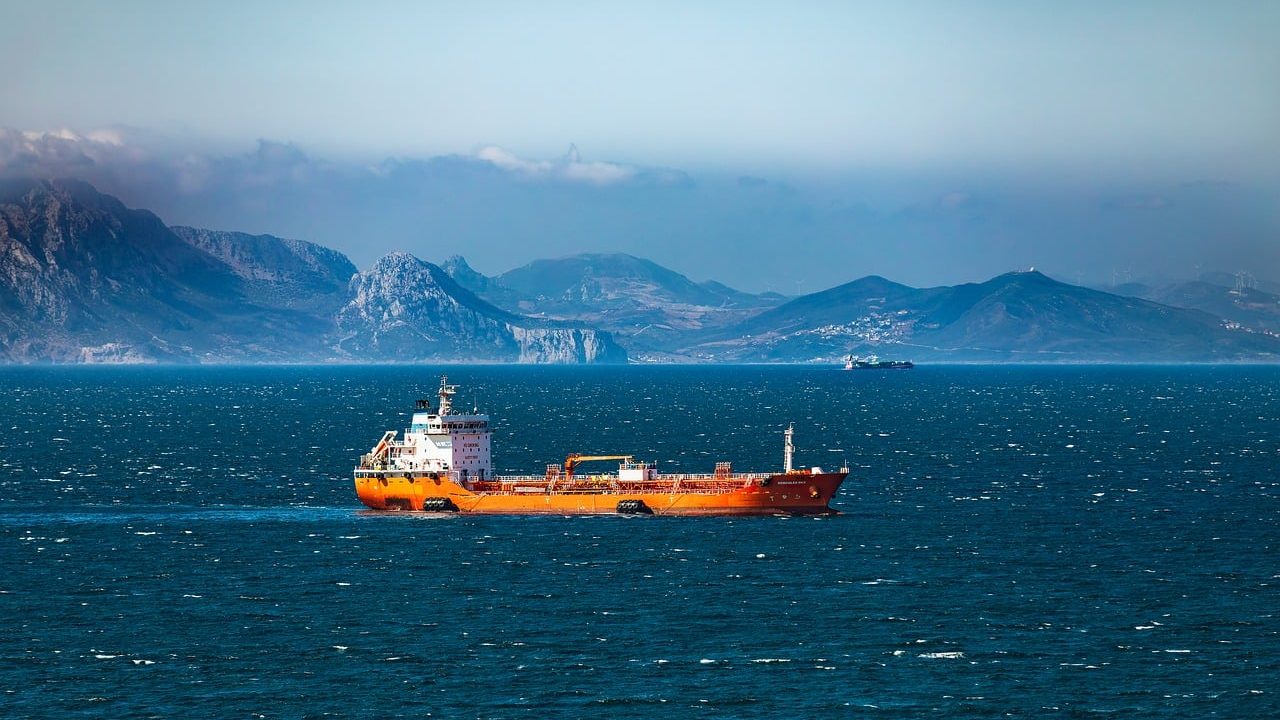
The Strait of Hormuz has been effectively closed for five months, choking off roughly 17 million barrels of oil per day — somewhere between 20 and 21 percent of global trade — and forcing dramatic rerouting of tanker traffic worldwide. On Tuesday, President Trump declared a deal could come within 48 hours, and senior U.S. officials described themselves as cautiously optimistic. Yet hours later, Iran's Revolutionary Guard was threatening U.S. warships still positioned in the strait, even as Iran's president publicly insisted Tehran was not seeking a wider war.
Those two postures are not necessarily contradictory. The Iranian presidency and the Islamic Revolutionary Guard Corps are not the same institution expressing the same policy. The IRGC controls the strait operationally — the mines, the fast boats, the shore-based missile batteries — and can simultaneously position for leverage during final negotiations while the presidency signals diplomatic good faith. It is a two-level game Iran has used since at least the original JCPOA talks in 2015.
The U.S. side carries its own pressure. Reuters reported this week that the five-month conflict has consumed virtually all of America's ATACMS and Precision Strike Missile stockpiles — the Army Tactical Missile System rounds and PrSM munitions that form the backbone of U.S. long-range conventional strike capacity. Manufacturing those systems in significant quantities takes between 18 months and three years, leaving Pentagon planners acutely aware that a prolonged stalemate is not merely expensive but measurably degrades readiness for any potential contingency in the Pacific.
Silver's sharp rally on Tuesday offered its own signal. Silver is both an industrial metal and a traditional safe-haven, and when it moves on a Hormuz story, it suggests markets are pricing prolonged uncertainty rather than imminent resolution — regardless of what officials say publicly. The diplomatic math is further complicated by Jordan's warning that an imminent Israeli move on Al-Aqsa could, in Foreign Minister Safadi's words, 'trigger a religious conflict across the Muslim world.' The Hormuz negotiation is unfolding against a regional backdrop where multiple flash points — Gaza, the West Bank, now the Temple Mount — remain simultaneously live.
Meanwhile, Zircon hypersonic missiles, traveling at a reported Mach 8 to Mach 9, landed meters from the Lithuanian embassy in Kyiv, with Lithuanian Foreign Minister Budrys stating there were no military targets in the immediate vicinity. The incident does not automatically trigger NATO's Article 5 — diplomatic premises are protected under the Vienna Convention, not the NATO treaty — but it escalates the symbolic stakes of the Ukraine war in ways Baltic governments are taking seriously. Ukraine's President Zelenskyy separately claimed that Ukrainian drones killed over 30,000 Russian troops in July alone, a figure that, even if only partially accurate, illustrates the cost-asymmetric scale of Kyiv's drone campaign. Japan's newly released defense white paper, meanwhile, declared the country faces its gravest security environment since World War II, explicitly naming China's military buildup, North Korea's ballistic missile program, and the Russia-Ukraine war as converging pressures.