Ukraine's Depleted Defenses and a Surprising Diplomatic Near-Miss with Tehran
How this was made Verified AI
Every Intellegix briefing is generated from that day's broadcast and run through automated checks before it publishes — with a human paged on any flag. Here is the trail for this edition.
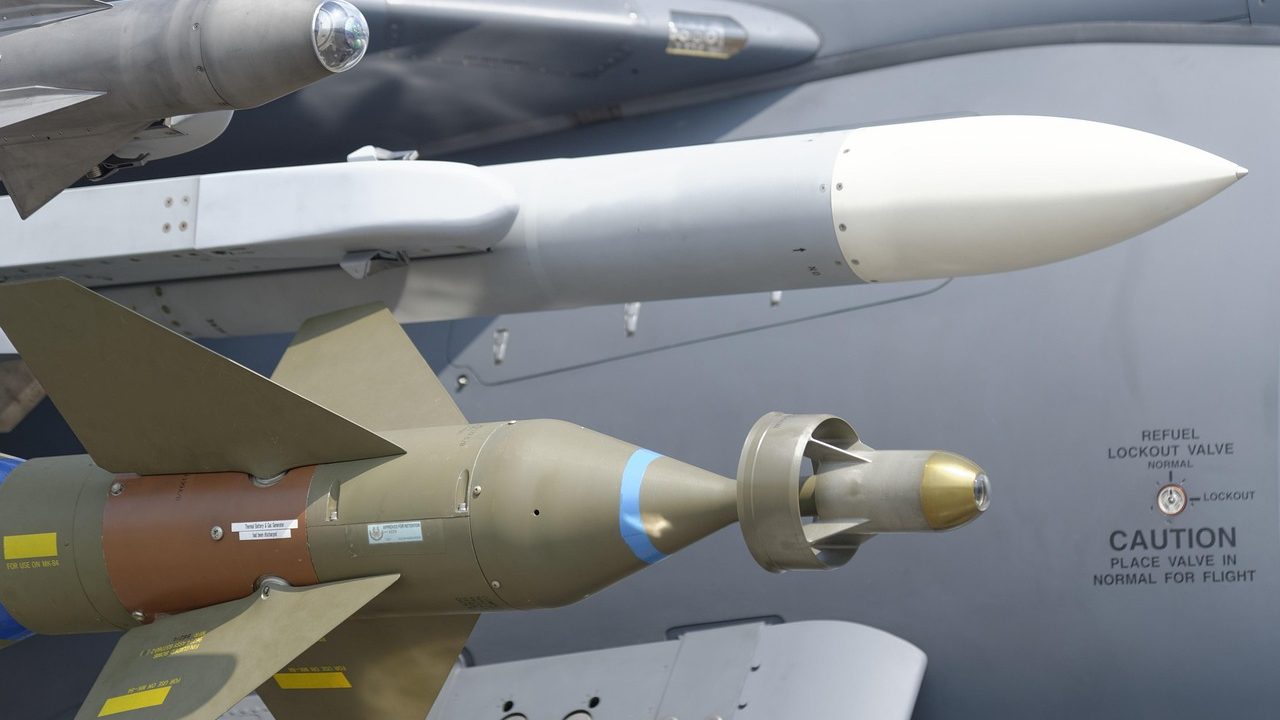
While Washington managed its own near-war with Tehran, Ukraine endured one of its worst months of the conflict. Russia set missile strike records in July, firing more missiles in a single month than in any comparable period of the war, while Ukrainian Patriot interceptor stocks have effectively run dry — a combination defense analysts had warned about for eighteen months.
Russia's strategic logic has been one of attrition rather than mass simultaneous strikes: exhaust the interceptors so the batteries become useless. Each Patriot missile costs roughly four million dollars to manufacture, and production lines in the United States and Germany cannot supply at the rate they are being consumed. Ukraine has been husbanding its remaining interceptors for the highest-value targets — power infrastructure, government buildings, military command nodes — but at the current depletion rate, even those choices soon become impossible.
Against that backdrop, President Zelensky dismissed Ukraine's ambassador to the United States as part of a sweeping diplomatic reshuffle. Losing a Washington envoy during a period of contested U.S. military aid, exhausted Patriot stocks, and an approaching Trump-Xi summit raises questions about whether Zelensky is recalibrating his diplomatic posture in response to signals from the Trump administration, or whether the move is purely internal housekeeping.
A stranger subplot emerged from the Iran-Ukraine relationship. A senior adviser to Khamenei, Mohsen Rezaei, said publicly that Iran had prepared strikes on three Ukrainian targets after an Iranian vessel was attacked, but stood down when Kyiv formally apologized and called the attack a mistake. The episode reveals how tangled the regional alignment has become: Iran has been supplying Russia with Shahed drones throughout the war, making Iranian maritime assets a legitimate interdiction target from Ukraine's perspective — but attacking them risked pulling Tehran into direct conflict with Kyiv at the exact moment Tehran was in a fragile ceasefire negotiation with Washington. The formal apology suggests Kyiv understood it had miscalculated.