The Strike That Didn't Happen — and the Shock It Sent Through Oil Markets
How this was made Verified AI
Every Intellegix briefing is generated from that day's broadcast and run through automated checks before it publishes — with a human paged on any flag. Here is the trail for this edition.
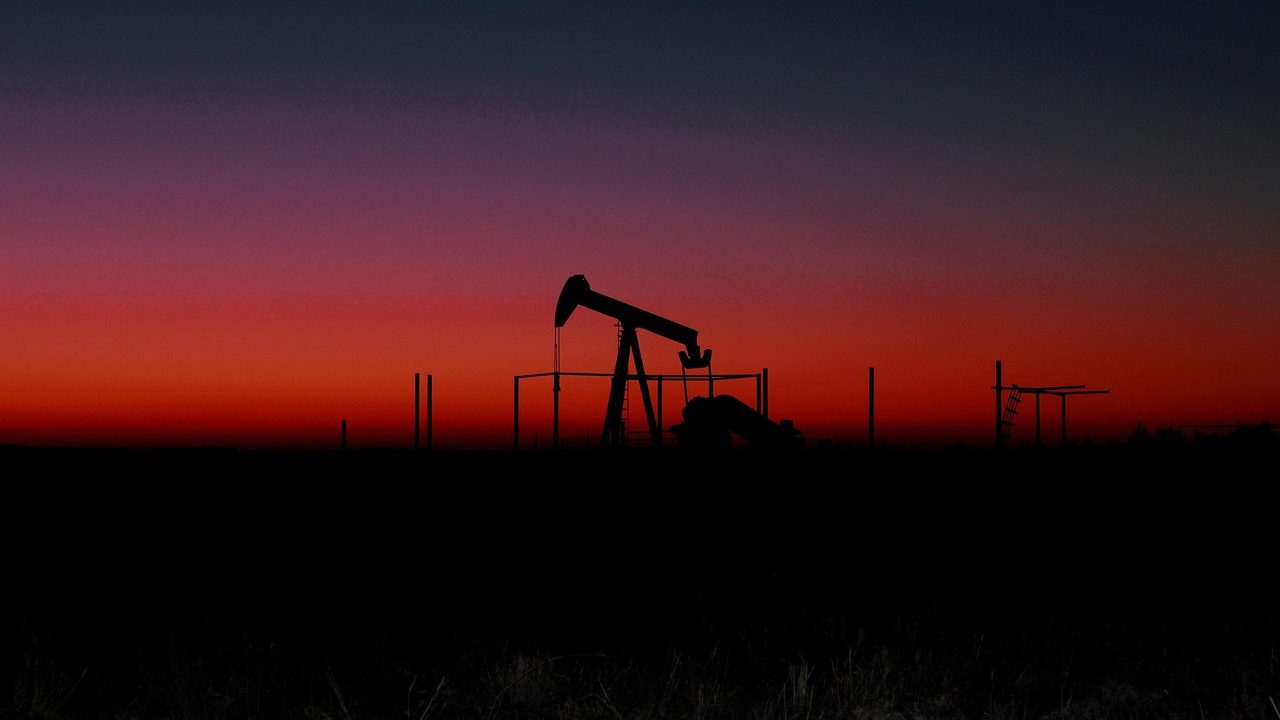
Late Saturday, President Trump halted what sources describe as a massive planned military strike against Iran, citing a peace deal he called 'imminent' — a decision whose consequences landed squarely on Monday's oil markets. Brent crude fell sharply as traders unwound a risk premium that had been building since the Strait of Hormuz crisis began, with months of geopolitical anxiety priced out of energy markets in a single session.
Trump simultaneously called the negotiations Iran's 'last chance' and threatened 'decapitation' if talks collapse — the language, notably, of a president seeking credit for restraint while keeping the threat credible. The pause reportedly came after Gulf allies, including the UAE and Saudi Arabia, intervened directly. Economist Steve Hanke of Johns Hopkins separately claimed that Saudi Crown Prince Mohammed bin Salman threatened to dump U.S. Treasury holdings to stop the strikes, though Treasury data does not corroborate the claim and major wire services have not confirmed it.
Analysts warn that the relief rally rests on a precarious foundation: the emergency strategic reserves governments drew down during the Hormuz disruption have not been replenished, and the demand destruction that cushioned the first price spike cannot be quickly replicated. A ceasefire collapse would send a second wave of energy market stress arriving without those shock absorbers. Trump's simultaneous demand that oil companies cut gas prices immediately sits in direct tension with his own warnings that talks could still fail.
Saudi Aramco's earnings, reported the same morning, underscored the perverse incentive structure surrounding any peace deal. The company posted a 44 percent profit jump to $32.7 billion in Q2 — even while acknowledging Houthi strikes on its own infrastructure. Former Vice President Pence added a hawkish counterpoint, urging military action and framing the ceasefire publicly as a delay rather than a resolution. Reports of civilian casualties from earlier U.S. strikes surfaced this week, and that documentation appears to have provided Trump political cover to pause — though the administration has maintained the strikes were proportionate.
Underlying the diplomatic calculus is a hard logistical constraint: a July executive order banning Chinese-sourced materials in weapons systems has exposed how dependent American defense production remains on Chinese rare earth minerals and components. The Iran conflict has been drawing down Tomahawk and JASSM inventories at a rate the U.S. cannot quickly reverse. That supply-chain reality, analysts suggest, made a prolonged air campaign significantly less attractive than a negotiated pause.