Adidas Shuts Nike Out, Sony Seeks $4.5 Billion From an AI Music Startup, and a Hard Look at the AI Investment Thesis
How this was made Verified AI
Every Intellegix briefing is generated from that day's broadcast and run through automated checks before it publishes — with a human paged on any flag. Here is the trail for this edition.
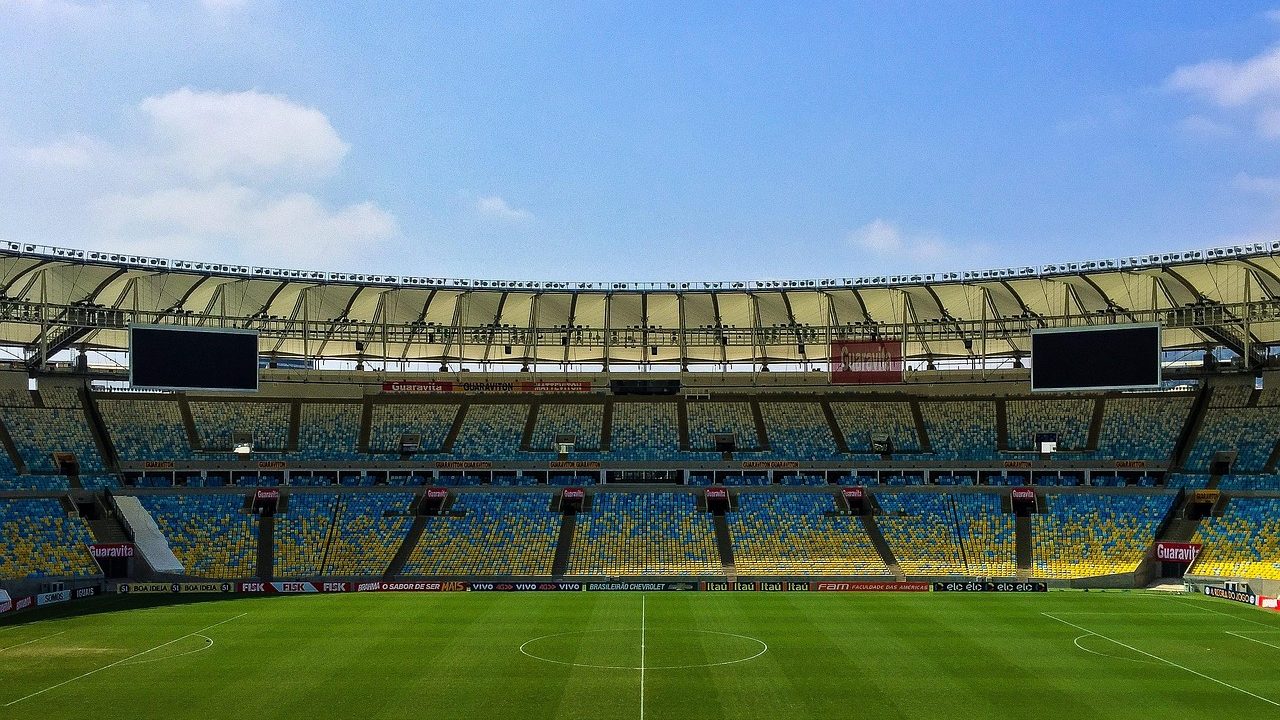
Adidas locked Nike out of the World Cup final stage entirely — every kit, official uniform, and on-pitch branding element carried the Adidas mark, representing a significant competitive coup in a branding cycle that repeats only every four years. The tournament's economic returns for host cities were less triumphant: a Deloitte study found Mexico saw visitor numbers approximately forty percent below pre-tournament projections, and several U.S. host cities along with Vancouver reported disappointing returns. The pattern is consistent with a well-documented tendency for mega-event economic projections — typically generated by boosters with incentives to win hosting rights — to substantially exceed actual visitor spending.
Philadelphia Eagles head coach Nick Sirianni confirmed he is using ChatGPT to prepare for the 2026 NFL season, signaling that AI-assisted coaching preparation is becoming normalized at the professional level. Sony Music, meanwhile, filed a separate lawsuit against AI music startup Udio after a judge declined to expand the original case, alleging that Udio copied thirty thousand, one hundred seventeen specific copyrighted tracks and seeking up to $4.5 billion in damages. The specificity of that track count suggests Sony conducted substantial forensic analysis of Udio's training data; the case will be one of the defining legal tests for AI-generated music and the copyright status of AI training data.
Bloomberg reported that Apple deliberately excluded designer Jony Ive from its lawsuit against OpenAI despite his involvement with the company, a calculation reportedly involving both his limited operational role and his close personal friendship with Laurene Powell Jobs. Suing Ive would have generated a qualitatively different public narrative, and Apple apparently judged the reputational costs prohibitive.
The most consequential analytical question of the segment concerns the AI investment thesis itself. The dominant assumption in financial and technology analysis is that $1.65 trillion in infrastructure commitments will be justified by AI productivity and revenue gains. The strongest counterarguments: large language model architectures may face capability limits not solved by additional compute; copyright and data-rights litigation — actively playing out in the Sony-Udio case — could dramatically raise training costs; and enterprise AI adoption could stall due to implementation complexity. Two concrete indicators to watch when third-quarter earnings arrive: renewal rates for AI software subscriptions such as Microsoft Copilot and Salesforce Einstein AI, and gross margin trajectory at major cloud providers. If AI workloads are compressing margins rather than expanding them, that directly contradicts the standard investment pitch.