Supreme Court Ends 91 Years of Independent Agency Protections
How this was made Verified AI
Every Intellegix briefing is generated from that day's broadcast and run through automated checks before it publishes — with a human paged on any flag. Here is the trail for this edition.
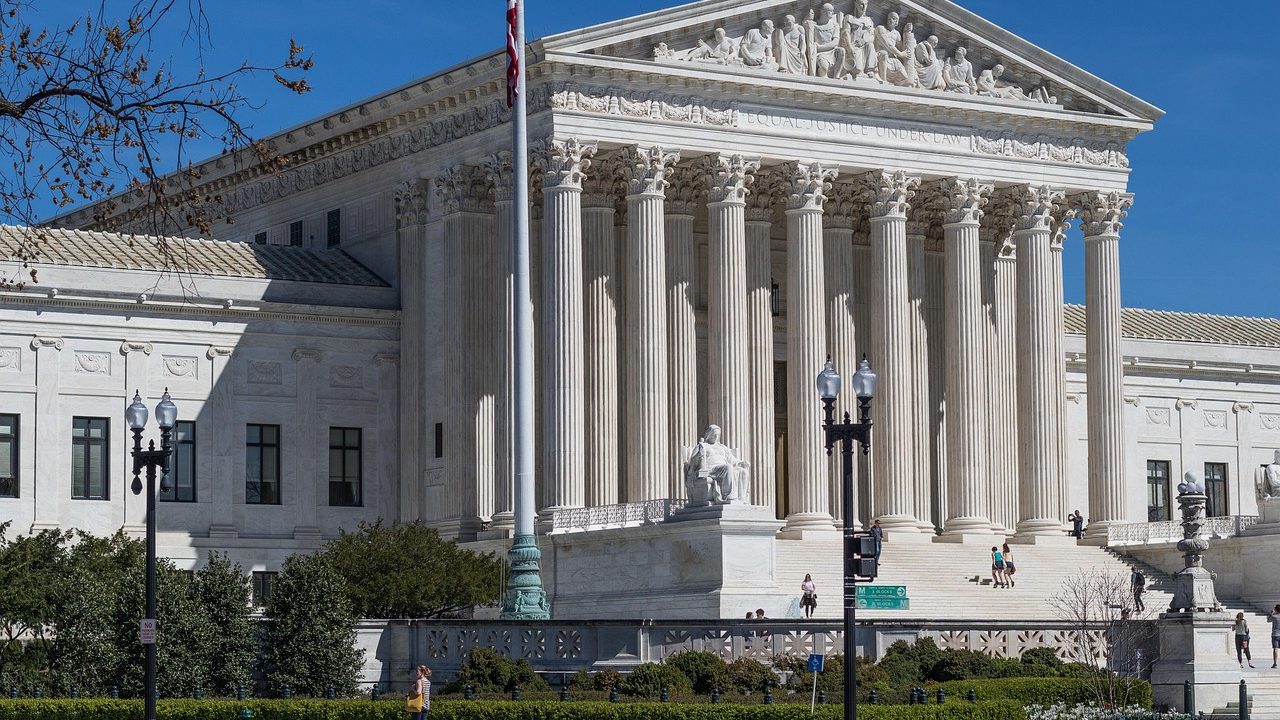
The Supreme Court's ruling in Trump v. Slaughter overturned the 1935 Humphrey's Executor precedent, eliminating the legal protections that had for ninety-one years insulated leaders of independent federal agencies — the FTC, FCC, NLRB, Federal Reserve, and SEC among them — from presidential removal without cause. Officials who had been fighting their dismissals in court began dropping their lawsuits almost immediately after the ruling, recognizing that the legal foundation beneath them had been removed.
The practical consequences are immediate and far-reaching. The FCC's remaining Democratic commissioner publicly accused the Trump administration of using broadcast license threats as what she called a 'naked attempt to bully broadcasters.' That accusation carries new weight now that commissioners can be dismissed at will: the threat implicit in any policy disagreement is no longer theoretical, altering the internal dynamics of every independent regulatory body in Washington.
Secretary of State Rubio separately announced visa restrictions targeting what the administration characterized as far-left groups, a move that fits a broader pattern of deploying executive tools — where the administration holds broad statutory authority — against organizations it disfavors. An appeals court revival of a U.S. Postal Service mail-ballot rule and Senator Hawley's expanded probe accusing Postmaster General Steiner of dodging congressional oversight added further friction to the machinery of elections ahead of the midterms.
In Maine, the Democratic Party is holding county delegate meetings this weekend to replace Senate nominee Platner, with 500 delegates set to vote on a new nominee on July 25th — a race with potential implications for Senate control in November. In California, a new poll shows Xavier Becerra leading Steve Hilton by 25 points in the governor's race. Jennifer Siebel Newsom, in her first interview about the DOJ's tax investigation into her finances, called it a fishing expedition designed to silence her husband, while a Brooklyn federal prosecutor handling the Adani fraud case publicly stated he was 'not the decisionmaker' on the DOJ's move to dismiss charges — pointedly declining to endorse the decision and signaling significant internal disagreement.