SpaceX IPO Demand Tops Record Levels as AI Selloff and Antitrust Settlement Reshape Markets
How this was made Verified AI
Every Intellegix briefing is generated from that day's broadcast and run through automated checks before it publishes — with a human paged on any flag. Here is the trail for this edition.
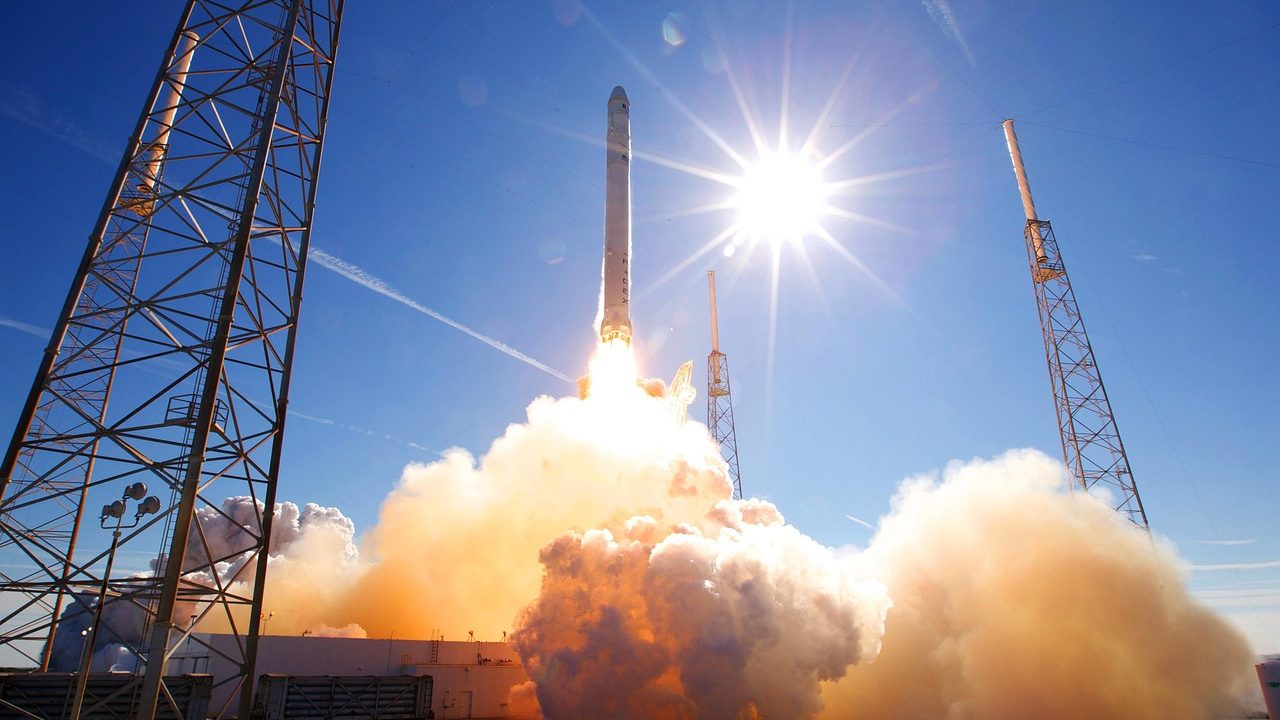
SpaceX is generating twenty-six billion dollars in AI revenue, a figure drawing scrutiny ahead of what could be a record initial public offering. Demand for the IPO has already topped two hundred fifty billion dollars, making it nearly four times oversubscribed. The AI revenue component is notable because SpaceX is primarily known for rockets and satellites, suggesting the company is monetizing data and computational capabilities from its satellite constellation in ways not immediately visible to outside observers.
The offering is not without controversy: New York City Comptroller has said the SpaceX IPO shows 'no precedent' disregard for shareholders, raising questions about corporate governance and investor protection that could create volatility affecting other technology listings.
A federal judge has preliminarily approved a thirty-eight-billion-dollar settlement between Visa, Mastercard, and merchants over swipe fees, one of the largest antitrust resolutions in U.S. history. The settlement could reduce transaction costs for millions of businesses and potentially flow through to lower consumer prices, while also prompting fresh debate about how payment networks should be regulated.
In the semiconductor sector, Qualcomm dropped sharply as Nvidia moved into the Windows on ARM market that Qualcomm has dominated, while investors simultaneously unwound gains tied to Qualcomm's ByteDance chip agreement. Fuel price shocks are splitting U.S. airlines into distinct winners and losers depending on their hedging strategies; carriers that locked in costs when prices were lower are seeing meaningful competitive advantages. Barclays offered a reality check on humanoid robotics, saying commercialization is at least a decade away due to safety, supply chain, data, and compute hurdles, even as the bank projected a two-hundred-billion-dollar market by 2035.
Thoma Bravo's founder told CNBC that half of new revenue across the firm's portfolio now comes from AI and agentic tools, declaring the 'SaaSpocalypse' over. Wells Fargo's concurrent characterization of the AI selloff as a 'wake-up call' captures the tension between private-market operators reporting concrete gains and public investors recalibrating expectations about valuations and implementation timelines.