Red Sea on the Brink: Iran-Israel Strikes Threaten Global Shipping
How this was made Verified AI
Every Intellegix briefing is generated from that day's broadcast and run through automated checks before it publishes — with a human paged on any flag. Here is the trail for this edition.
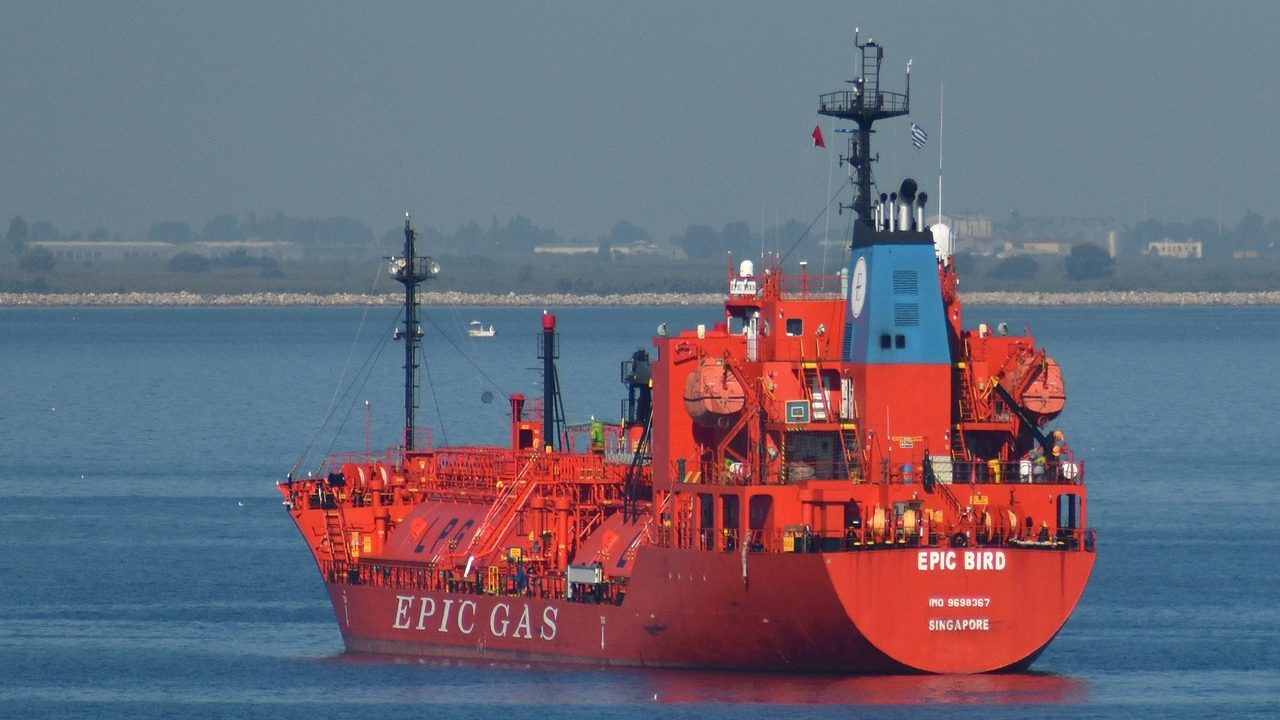
Iran and Israel exchanged direct military strikes early Monday, marking the second collapse of their April ceasefire agreement in as many months. The immediate trigger was Yemen's Houthi movement declaring a total prohibition on Israeli-flagged vessels transiting the Red Sea — not merely a continuation of opportunistic attacks, but a blanket ban on passage through one of the world's most critical shipping corridors, through which roughly twelve percent of global trade flows.
The exchange of fire was pointed in its targets. Iran struck Israeli positions near Haifa; Israel responded with strikes on Iranian naval facilities in the Persian Gulf. Renewed military confrontation between U.S. and Iranian forces was also reported in the Strait of Hormuz. Unlike previous Houthi operations, which involved strikes against individual vessels, the new prohibition is backed by Iranian missile capabilities — transforming harassment into what analysts described as a coordinated strategic blockade.
Financial markets priced in sustained disruption immediately. Oil futures jumped eleven percent in overnight trading, South Korea's KOSPI plunged eight percent before circuit breakers halted trading, and shipping stocks fell sharply across European exchanges. China's e-commerce exports, already down for five consecutive months, face additional pressure from what analysts are calling an 'Iran war fuel shock,' with higher shipping costs eroding the competitiveness of Chinese goods in Western markets.
Israel's military response was described as notably measured relative to its usual doctrine of overwhelming retaliation. Strikes targeted Iranian naval assets rather than mainland Iranian infrastructure, suggesting an effort to contain the crisis regionally. Israel also closed all Gaza crossings, affecting humanitarian aid flows. Strategically, the Houthi prohibition poses a challenge previous naval patrols were not designed to meet: escorting vessels through a blockade, rather than through a zone of sporadic attack, requires direct military engagement.
Regional powers have so far declined to take sides. Saudi Arabia remained publicly silent, the UAE continued normal diplomatic relations with Iran, and Jordan's King Abdullah called for 'regional de-escalation' without announcing concrete measures. Analysts noted that so long as the conflict remains a bilateral Iran-Israel confrontation, markets can price in the disruption — but any broadening to involve Gulf states would represent a fundamentally different global economic scenario.