Missiles, Markets, and Machine Intelligence: A World in Simultaneous Crisis and Convergence
Iran and Israel exchanged direct military strikes for the second time in two months Monday, Yemen's Houthis declared a total ban on Israeli shipping through the Red Sea, and South Korean markets collapsed eight percent — even as Apple, Microsoft, Google, and Meta signaled a historic pivot toward shared artificial intelligence infrastructure.
“transforming harassment into what analysts described as a coordinated strategic blockade”
How this was made Verified AI
Every Intellegix briefing is generated from that day's broadcast and run through automated checks before it publishes — with a human paged on any flag. Here is the trail for this edition.
Red Sea on the Brink: Iran-Israel Strikes Threaten Global Shipping

Iran and Israel exchanged direct military strikes early Monday, marking the second collapse of their April ceasefire agreement in as many months. The immediate trigger was Yemen's Houthi movement declaring a total prohibition on Israeli-flagged vessels transiting the Red Sea — not merely a continuation of opportunistic attacks, but a blanket ban on passage through one of the world's most critical shipping corridors, through which roughly twelve percent of global trade flows.
The exchange of fire was pointed in its targets. Iran struck Israeli positions near Haifa; Israel responded with strikes on Iranian naval facilities in the Persian Gulf. Renewed military confrontation between U.S. and Iranian forces was also reported in the Strait of Hormuz. Unlike previous Houthi operations, which involved strikes against individual vessels, the new prohibition is backed by Iranian missile capabilities — transforming harassment into what analysts described as a coordinated strategic blockade.
Financial markets priced in sustained disruption immediately. Oil futures jumped eleven percent in overnight trading, South Korea's KOSPI plunged eight percent before circuit breakers halted trading, and shipping stocks fell sharply across European exchanges. China's e-commerce exports, already down for five consecutive months, face additional pressure from what analysts are calling an 'Iran war fuel shock,' with higher shipping costs eroding the competitiveness of Chinese goods in Western markets.
Israel's military response was described as notably measured relative to its usual doctrine of overwhelming retaliation. Strikes targeted Iranian naval assets rather than mainland Iranian infrastructure, suggesting an effort to contain the crisis regionally. Israel also closed all Gaza crossings, affecting humanitarian aid flows. Strategically, the Houthi prohibition poses a challenge previous naval patrols were not designed to meet: escorting vessels through a blockade, rather than through a zone of sporadic attack, requires direct military engagement.
Regional powers have so far declined to take sides. Saudi Arabia remained publicly silent, the UAE continued normal diplomatic relations with Iran, and Jordan's King Abdullah called for 'regional de-escalation' without announcing concrete measures. Analysts noted that so long as the conflict remains a bilateral Iran-Israel confrontation, markets can price in the disruption — but any broadening to involve Gulf states would represent a fundamentally different global economic scenario.
The End of the AI Arms Race: Tech Giants Embrace Shared Frameworks

Apple announced Monday at its Worldwide Developers Conference that it would integrate Google's Gemini AI framework directly into Siri, abandoning the company's long-standing preference for proprietary technology in favor of what it called a 'collaborative intelligence architecture.' The move — described as Apple's most significant Siri overhaul in eight years — amounts to a public acknowledgment that Google's natural language processing capabilities exceed Apple's own internal development. Apple shares rose a modest two percent.
The announcement fits a broader pattern that few analysts predicted. Microsoft, Google, and Meta have all converged on an open-source AI agent framework called OpenClaw, originally launched as an independent developer's weekend project just seven months ago. The three companies are not merely making similar technology choices in parallel — they are actively collaborating on a shared foundation for autonomous AI assistants, a framework that would allow an AI trained on Microsoft's infrastructure to interact seamlessly with Google's services and Meta's platforms without requiring separate user permissions.
The collaborative approach inverts conventional tech industry logic, in which companies build proprietary moats around their core technology. The implicit acknowledgment is that AI development is now so complex and resource-intensive that even trillion-dollar corporations benefit from shared infrastructure — a dynamic more analogous to how semiconductor manufacturers all rely on similar fabrication processes while competing on design and application.
Coinbase CEO Brian Armstrong's prediction that AI costs will drop ninety-nine percent within eighteen months becomes more plausible in this context. Shared development costs and open infrastructure change the economics of AI deployment dramatically, shifting competitive advantage from who owns the most advanced model toward how effectively humans and AI systems work together — a point HSBC's CEO echoed in separate remarks Monday emphasizing that human judgment remains vital as AI capabilities expand.
The shift carries regulatory implications as well. Open-source frameworks built on publicly available code are substantially easier for government agencies to audit than proprietary black-box systems. NVIDIA's Jensen Huang described the recent AI stock selloff as a buying opportunity, but the convergence on shared frameworks suggests the market may be transitioning from a speculative phase into one focused on practical cost reduction and broader accessibility.
Biden Returns, Lankford Revolts, and Maine Heads to the Polls
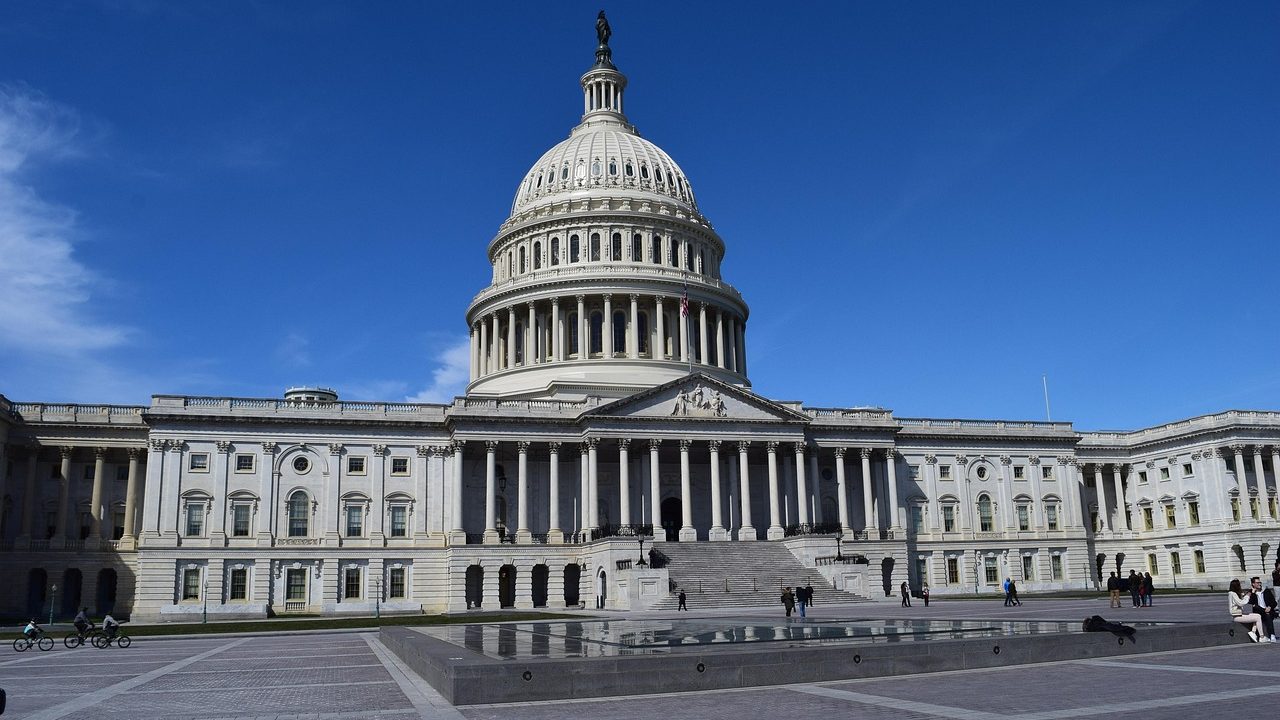
Former President Biden is re-emerging on the public stage with speeches scheduled in South Dakota and Philadelphia, where he has urged Democrats to 'fight back during dark days.' The return has generated friction within the party: some Democratic leaders are reportedly frustrated with the renewed visibility of Biden's family, preferring a lower-profile approach to opposition politics as the 2028 election cycle takes shape.
In Maine, Democratic Senate candidate Platner appeared at a Portland town hall just two days before Tuesday's primary, navigating the perennial challenge facing candidates in that state — appealing to traditional Democratic voters while attracting the independents who have historically decided statewide races. Maine's ranked-choice voting system and its track record of electing independent candidates make it an unusual laboratory for measuring how national political currents translate into local results. Platner's performance is expected to be watched closely as a signal of Democratic strength in the kind of older, whiter, and more rural demographic that often previews challenges in competitive swing states.
In Washington, Senator Lankford offered a sharp rebuke of the administration's nomination of Pulte for Director of National Intelligence, calling the candidate 'not qualified' and citing a lack of intelligence experience alongside what Lankford characterized as a 'partisan political background.' The DNI post requires Senate confirmation, and any Republican defection could prove decisive given current vote counts.
The Supreme Court is expected to issue major rulings on guns and transgender athletes' participation in sports within the next two weeks — decisions that could significantly reshape political messaging and campaign strategy heading into the fall election season, mobilizing distinct voter coalitions on both issues simultaneously.
Ukraine Claims Missile Milestone as NATO Shoots Down Russian Drone Over Latvia
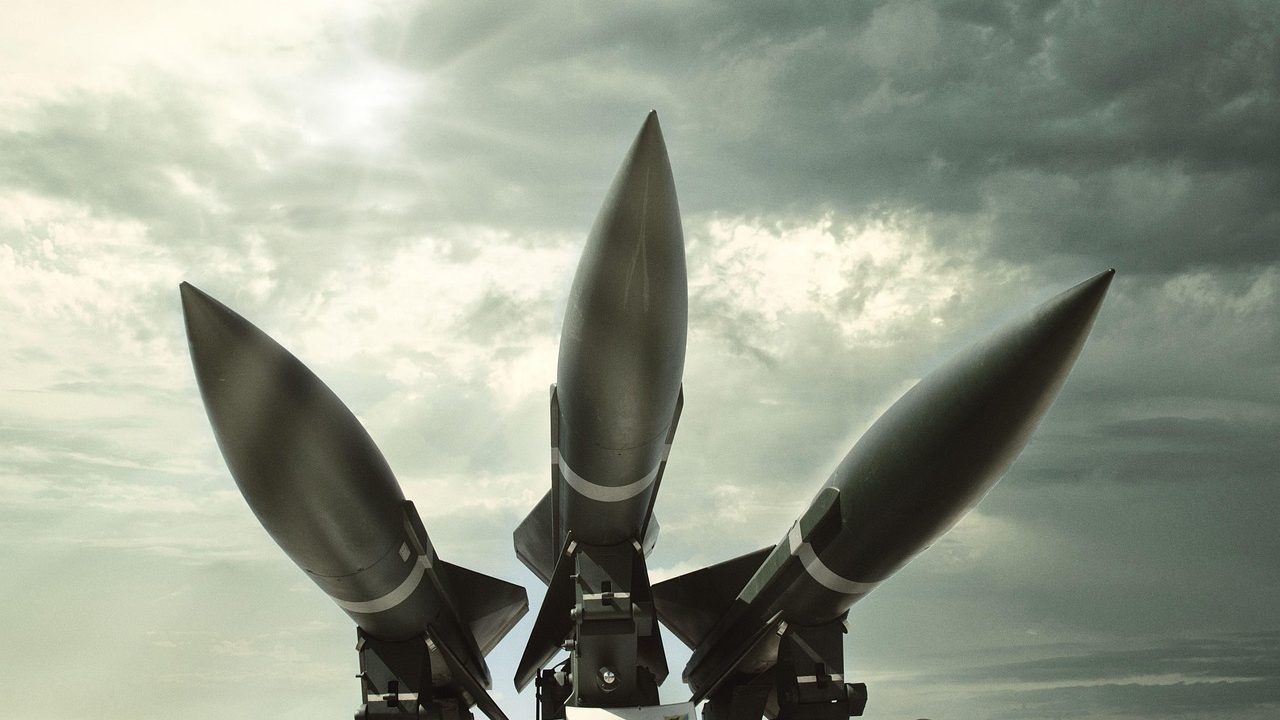
President Zelensky claimed Monday that Ukraine is 'very close' to developing its own ballistic missile capabilities, a statement that, if accurate, would mark a significant shift in the country's strategic position. Domestically produced ballistic missiles would give Ukraine greater operational flexibility and reduce its dependence on Western-supplied systems that carry range limitations and usage restrictions — potentially altering the calculus of any future peace negotiations with Russia.
The technical hurdles are substantial. Ballistic missile development typically requires sophisticated guidance systems, propulsion technology, and advanced manufacturing capacity that take years or decades to build. Zelensky's claim implies either remarkable indigenous progress or significant technological assistance from NATO partners, though no specifics were offered.
On the European diplomatic front, EU High Representative Kallas indicated that Hungary's new defense minister has cleared the path for releasing 6.6 billion euros in previously frozen European Peace Facility funds for Ukraine — a significant breakthrough given Hungary's sustained resistance to military aid packages. Separately, the EU announced it would begin sanctions against Iranian entities linked to Houthi maritime attacks, an effort to address both Red Sea shipping disruptions and Iranian material support for Russia's war effort through a single coordinated policy response.
NATO crossed a notable threshold Monday when French Rafale jets shot down an unidentified drone over Latvia after it crossed from Russian airspace — the first time alliance forces have engaged Russian military equipment over Baltic territory. Previous incidents of Russian airspace violations drew diplomatic protests and increased patrols; actually destroying the drone represents a new level of direct military response and could establish precedents for handling future provocations.
Ukraine's drone campaign against Russian economic infrastructure continued to intensify in parallel. Strikes on the Novorossiysk oil depot involved over fifty explosions targeting tank farms and export terminals described as key hubs for Russia's Black Sea crude exports. Xi Jinping's publication of an op-ed calling for 'multipolarity' ahead of a visit to Pyongyang added a further complicating dimension, with China positioning itself as an alternative to Western-led security architecture while maintaining economic ties with the European nations funding Ukraine's defense.
AI Hype Meets the Earnings Test: Oracle, Adobe, and a Volatile Tech Market

Oracle and Adobe are set to report quarterly earnings this week under intense investor scrutiny over whether artificial intelligence demand can substantiate current technology sector valuations. Both companies have seen their stock prices elevated on AI-related expectations; investors are increasingly demanding concrete revenue evidence rather than conceptual potential.
Oracle's results will offer a window into whether enterprise customers are purchasing AI cloud services at the scale and price points that justify the company's current market capitalization. Adobe faces a different question: whether customers are paying premium prices for AI-integrated creative tools, or whether AI has become a standard expectation that commands no pricing power — representing increased development costs rather than new revenue streams.
Tencent completed its first dollar-denominated bond sale since 2021, raising four billion dollars in a move analysts interpreted as preparation for a potentially challenging economic environment. The successful issuance suggested that institutional investors still regard major Chinese technology companies as creditworthy despite ongoing geopolitical tensions and restricted access to U.S. capital markets. European retail investors, meanwhile, rushed to participate in SpaceX's record IPO, demonstrating continued appetite for high-growth technology investments even amid broader volatility.
In pharmaceuticals, Roche and Nurix announced a 2.3 billion dollar agreement for co-development of bexobrutideg, an oral BTK degrader targeting blood cancer, with Nurix receiving seven hundred million dollars upfront. Large upfront payments of that scale indicated confidence in biotechnology innovation at a moment when technology valuations more broadly are under pressure. Defense and healthcare stocks outperformed technology equities Monday, a pattern that typically signals investor flight to safety during periods of geopolitical uncertainty.
The International Air Transport Association warned that rising jet fuel costs will halve airline industry profits and trigger failures among weaker carriers. United Airlines is reportedly responding by shifting toward asset deals — positioning itself to acquire distressed competitors' routes and aircraft at discounted prices during an anticipated consolidation wave. IATA also projected that sustainable aviation fuel will cover less than one percent of aviation needs in 2026, with total output reaching only 2.4 million tonnes, and called EU mandates for synthetic sustainable fuel 'beyond unrealistic.'
From Obesity Pills to Autonomous Ships: A Week in Scientific Innovation

Eli Lilly's obesity pill Foundayo demonstrated consistent efficacy across all stages of menopause, according to new trial analyses presented at the American Diabetes Association conference. The finding is significant because hormonal changes during menopause frequently reduce the effectiveness of weight-loss treatments; data showing consistent results in pre-, peri-, and postmenopausal women substantially expands the addressable patient population and strengthens Lilly's competitive positioning against rivals including Novo Nordisk in a market with annual revenue projections exceeding fifty billion dollars by 2030.
In battery technology, Solidion Technology raised thirty-five million dollars following what the company described as a 'battery patent surge' in advanced lithium-ion and solid-state technologies. Panasonic separately announced plans to produce data center batteries at its Kansas facility by fiscal 2028, reflecting the growing intersection of battery manufacturing and AI infrastructure: data centers require massive battery backup systems, and AI training workloads — which can run for weeks or months — are particularly sensitive to power interruptions.
Clear Robotics raised 1.75 million dollars to scale an autonomous ship fleet, targeting a segment of supply chain automation that has received less attention than land-based autonomous vehicles. Maritime shipping's relatively controlled operating environment and fewer regulatory restrictions than road transport make it an attractive arena for automation; crew costs represent a significant share of maritime operating expenses, and autonomous systems can operate continuously without rest requirements.
Mizuho analysts projected that Google's tensor processing unit shipments will surge eightfold by 2028, reflecting growing demand for AI chips optimized for specific workloads rather than general-purpose computing. The forecast suggested the AI hardware market may fragment into multiple specialized segments rather than remaining dominated by general-purpose GPU manufacturers. Russia's reported decision to pause certain Putin-era surveillance systems over concerns about AI vulnerability to foreign intelligence services illustrated a broader tension: AI surveillance tools can be powerful instruments of population monitoring, but they also create potential security risks if the underlying systems are compromised by adversaries.
Tonys, Blockbusters, and Billion-Dollar Ballparks: Culture and Sports Roundup

A24's 'Backrooms' has surpassed two hundred million dollars globally, becoming the studio's highest-grossing film ever. The movie adapted an internet meme — the concept of infinite, featureless office spaces — into a feature-length narrative that resonated with both online communities and general audiences, offering a case study in how digitally native cultural phenomena can translate into mainstream entertainment when developed for traditional media formats.
Actor Antony Starr publicly backed the 'Backrooms' director's call to eliminate artificial intelligence from filmmaking, adding his voice to ongoing Hollywood labor debates. Workers rallied against the proposed Paramount-Warner Bros. merger in Beverly Hills, with AI displacement concerns listed among the grievances driving entertainment industry activism alongside broader worries that studio consolidation reduces total employment even when production volumes hold steady.
At the Tony Awards Sunday night, Julia Louis-Dreyfus described her Broadway debut in 'Other Desert Cities' as 'terrifying,' underscoring the distinct demands live theater places on performers accustomed to film and television. John Lithgow told Daniel Radcliffe that HBO's forthcoming Harry Potter series is 'all going well,' in what was characterized as the first official acknowledgment of production progress on one of the most anticipated television adaptations in development.
Nelly Korda won the U.S. Women's Open at Riviera with a dramatic final putt, claiming her fourth major title and second of the current season. She held off Charley Hull and Gaby Lopez by one shot in a championship described as among the most competitive women's majors in recent years, set against a backdrop of record television ratings and corporate sponsorship for the event. Tonight's NBA Finals Game 3 at Madison Square Garden will be accompanied by one of the most elaborate security operations in the venue's history, with hundreds of Secret Service officers and thousands of NYPD personnel deployed ahead of a planned attendance by former President Trump.
Supply Chains Under Stress — and Why Modern Logistics May Prove More Resilient Than History Suggests
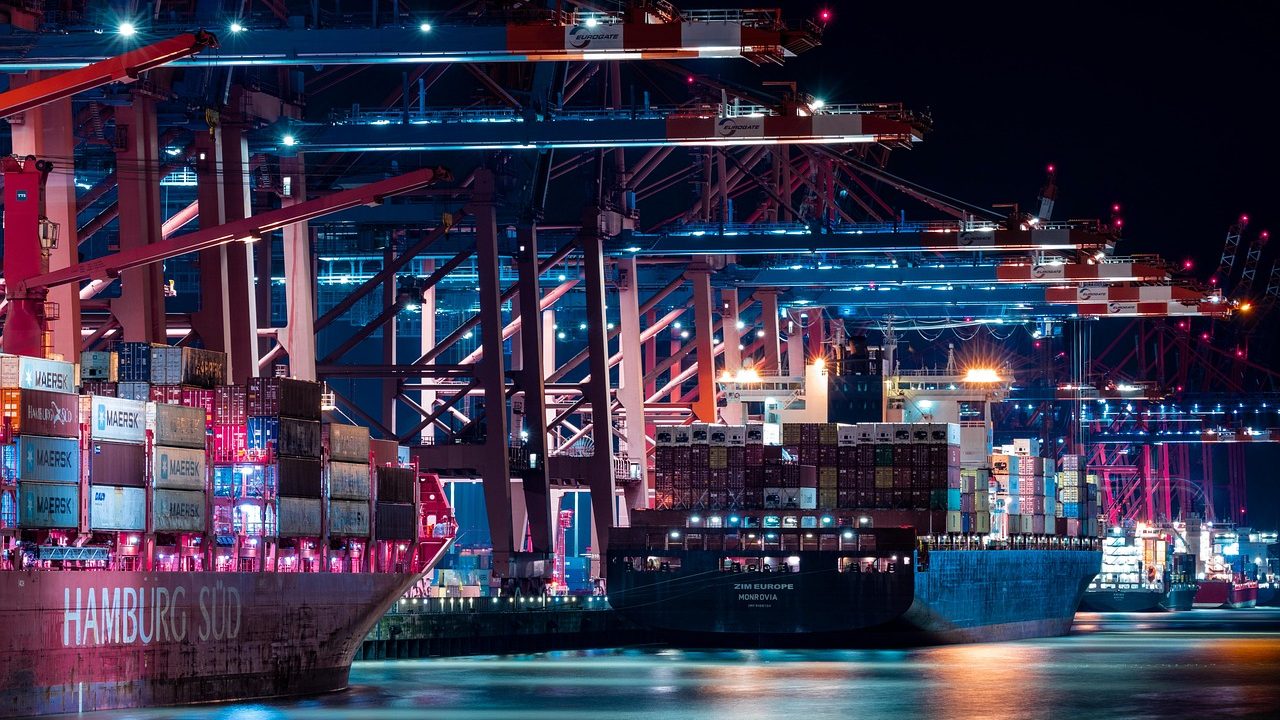
Multiple simultaneous supply chain disruptions are reshaping global trade patterns, with effects ranging from Chinese e-commerce exports to European airline profitability. China's export volumes have declined for five consecutive months, a trend analysts attribute in part to the 'Iran war fuel shock' — a term describing how elevated shipping costs are eroding price advantages for Chinese goods in European and American markets. European carriers face a compounding challenge as Gulf airlines rebuild their networks, increasing competitive pressure just as fuel costs rise.
Nigeria approved five evacuation flights as multiple African governments moved to repatriate citizens from South Africa, where anti-immigrant vigilante groups have set a June 30 deadline for foreign nationals to leave. The mass relocations threaten to disrupt labor markets and remittance flows that many African economies rely on for foreign currency earnings, illustrating how quickly politically driven economic arrangements can unravel when social tensions escalate.
The conventional assumption — that simultaneous oil price increases, higher shipping costs, and production interruptions will necessarily drive sustained inflation — may, however, be too pessimistic. Companies have invested heavily in supply chain visibility and alternative sourcing since the pandemic, and AI-driven logistics systems operated by carriers such as Maersk and FedEx can reportedly reroute entire supply networks within days rather than the months such adjustments previously required. If alternative routes and technologies compensate for disrupted channels faster than expected, inflationary pressures from the current disruptions could prove more temporary than historical precedents suggest.
The signal to watch, analysts noted, is whether shipping costs stabilize within approximately six weeks despite ongoing regional conflicts. Rapid stabilization would indicate that digitalized supply chains and real-time route optimization have fundamentally changed how quickly modern economies absorb and adapt to disruption — a possibility that traditional economic models may not yet fully capture.