Ghost Bat Validated, Iran Weaponizes Consumer AI, and Millions Exposed in Back-to-Back Breaches
How this was made Verified AI
Every Intellegix briefing is generated from that day's broadcast and run through automated checks before it publishes — with a human paged on any flag. Here is the trail for this edition.
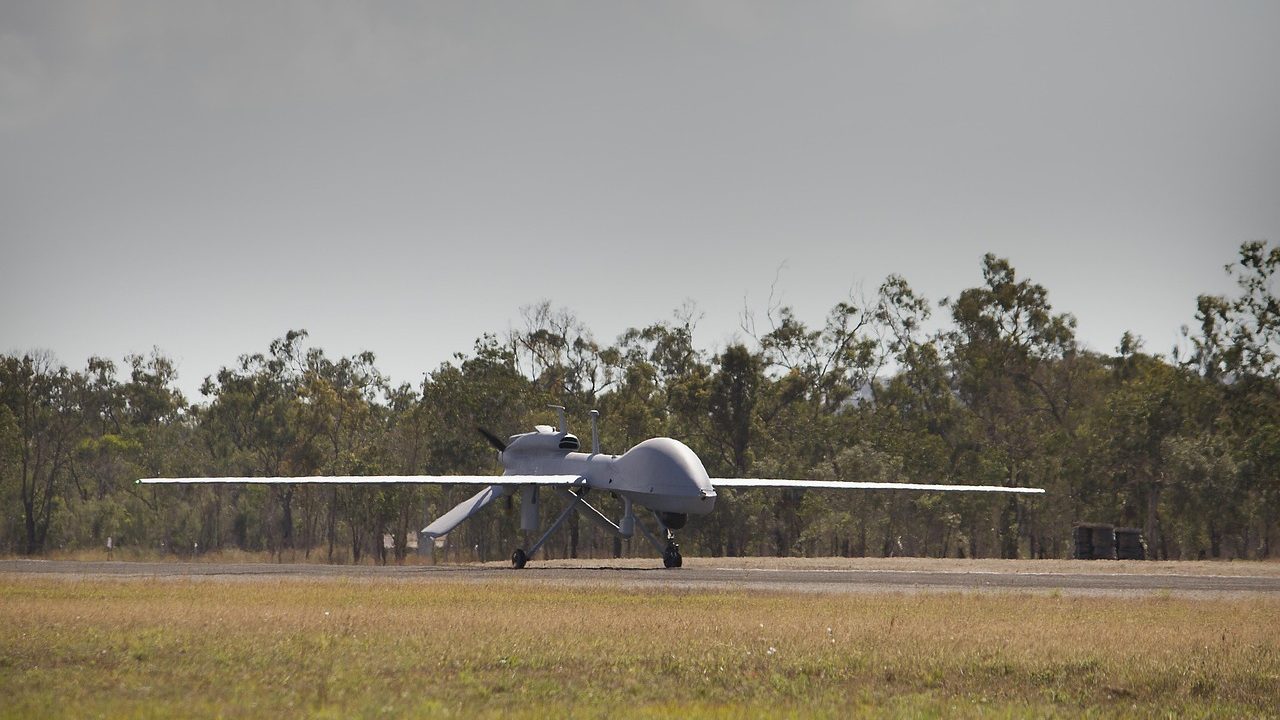
Boeing announced successful validation of stealth performance for its MQ-28 Ghost Bat drone, a milestone in autonomous military aviation development. The Ghost Bat is designed as a 'loyal wingman' system operating alongside manned aircraft — a doctrinal shift in which autonomous platforms augment rather than replace human pilots. Stealth validation means the system can operate in contested airspace environments previously reserved for sophisticated crewed aircraft.
On the cyber front, reports indicated that Iran is using ChatGPT and Gemini to enhance its state-sponsored cyber operations, a development that security experts have long warned about as consumer AI tools become more capable. The open availability and continuous improvement of large language models dramatically lowers the technical barriers for sophisticated attacks, accelerating offensive cyber capability development across multiple threat actors.
The private sector faced its own cyber reckoning. The ShinyHunters group executed back-to-back breaches affecting millions of people, reportedly exploiting employee deception to steal data from nearly 6 million Carnival cruise passengers and millions of Spectrum customers. The incidents highlighted the persistent vulnerability of enterprises to social engineering attacks that circumvent even sophisticated technical defenses — a finding that suggests cybersecurity investment must address human factors with the same rigor applied to software vulnerabilities.
Defense policy debates added further complexity to the sector's picture. Reports indicated Defense Secretary Hegseth removed seven Black and female Navy officers from promotion lists, leaving a one-star admiral slate with no female nominees — a decision raising concerns about merit-based promotion standards and potential effects on military readiness. Separately, an appeals court ruled that the Pentagon's transgender troop ban is illegal, adding another dimension to ongoing debates over personnel policy and force effectiveness.