Europe's Maker Rules: Well-Intentioned Regulations With Market-Distorting Effects
How this was made Verified AI
Every Intellegix briefing is generated from that day's broadcast and run through automated checks before it publishes — with a human paged on any flag. Here is the trail for this edition.
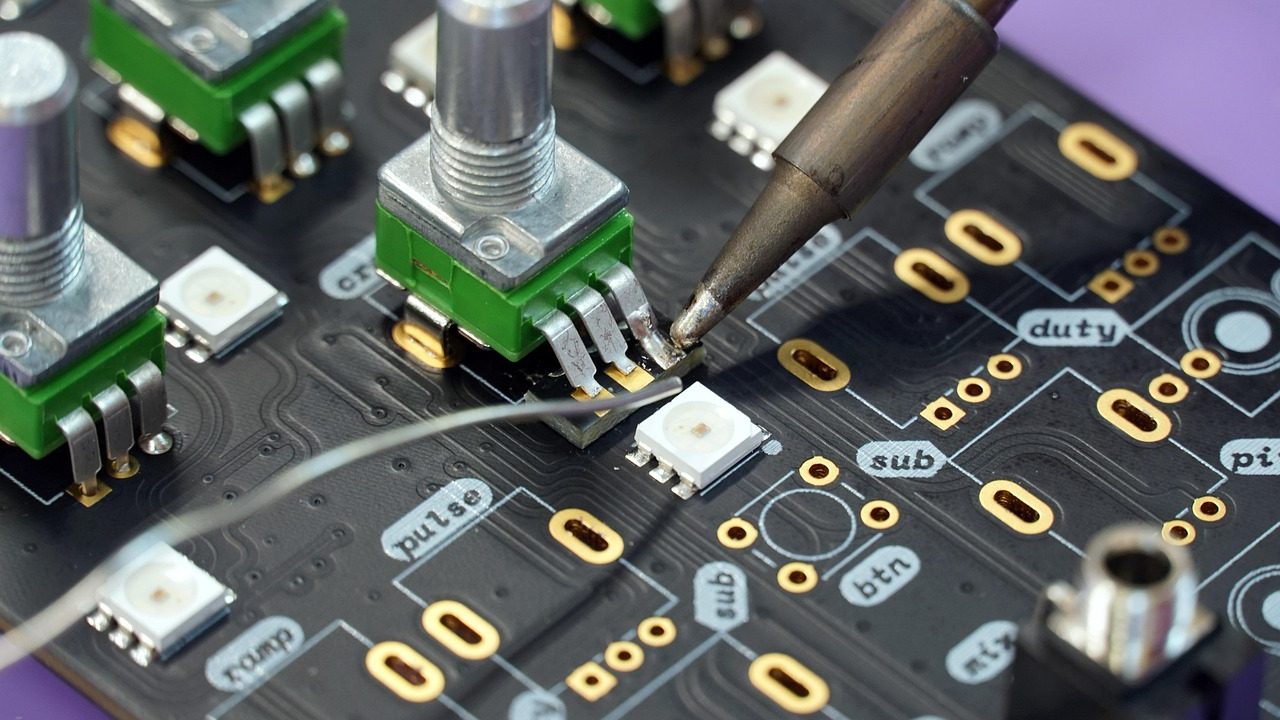
The day's most commented story, with 898 responses, was a piece from Lectronz — an electronics marketplace for independent makers — arguing that a combination of EU regulatory requirements has made it economically impossible for individual creators to sell small volumes of electronics within the bloc. The piece identifies four overlapping frameworks: the General Product Safety Directive, which requires formal conformity assessments and technical documentation; the Radio Equipment Directive, which mandates laboratory-tested CE certification for anything with wireless capability; VAT registration obligations across member states; and WEEE and battery compliance requirements. For a manufacturer producing ten thousand units, these fixed costs are absorbable. For someone making two hundred units of a custom sensor board, the minimum viable compliance cost cited in the piece runs between three and fifteen thousand euros before a single unit is sold.
The Hacker News thread offered substantive pushback from commenters with EU regulatory expertise, who argued that small-business exemptions are more generous than the article implies and that some cost estimates reflect worst-case scenarios. Others responded that the exemptions are poorly documented, inconsistently enforced across member states, and that ambiguity alone functions as a deterrent — if the compliance requirement is uncertain, the rational choice for an independent maker is simply not to sell in the EU.
The structural dynamic at work is what competition economists call regulatory capture: safety regulations written for industrial-scale producers that function, regardless of intent, as market barriers protecting large incumbents from small competitors. The effect on market structure is identical to exclusionary conduct — it removes small competitors from the playing field — even though the mechanism is genuine safety concern rather than anticompetitive strategy. The analogy offered in discussion was a restaurant health code written for commercial kitchens applied without modification to a home chef doing a monthly pop-up dinner for twenty people: the standards are reasonable at scale, but the risk profile is genuinely different.
Pressing on the consensus view — that proportionate, tiered regulation would resolve the problem — reveals a harder constraint. Several commenters argued that the binding issue is not compliance paperwork but personal liability exposure. Even a maker exempt from CE certification requirements remains personally liable as the manufacturer if a product injures someone, with none of the insurance, legal counsel, or indemnification structures available to established companies. The empirical baseline needed to calibrate the risk — incident rates for small-batch electronics versus certified commercial products — is largely absent, because most maker-product failures never enter any formal incident reporting system. The EU is currently reviewing the GPSD implementation and accepting industry input through 2026; whether that process will build the evidence infrastructure needed to answer the risk question, or simply adjust paperwork thresholds while guessing at the underlying risk level, remains to be seen.