Linux 7.3 Expands GPU Access for Independent Researchers; PostmarketOS Extends Phone Lifespans
How this was made Verified AI
Every Intellegix briefing is generated from that day's broadcast and run through automated checks before it publishes — with a human paged on any flag. Here is the trail for this edition.
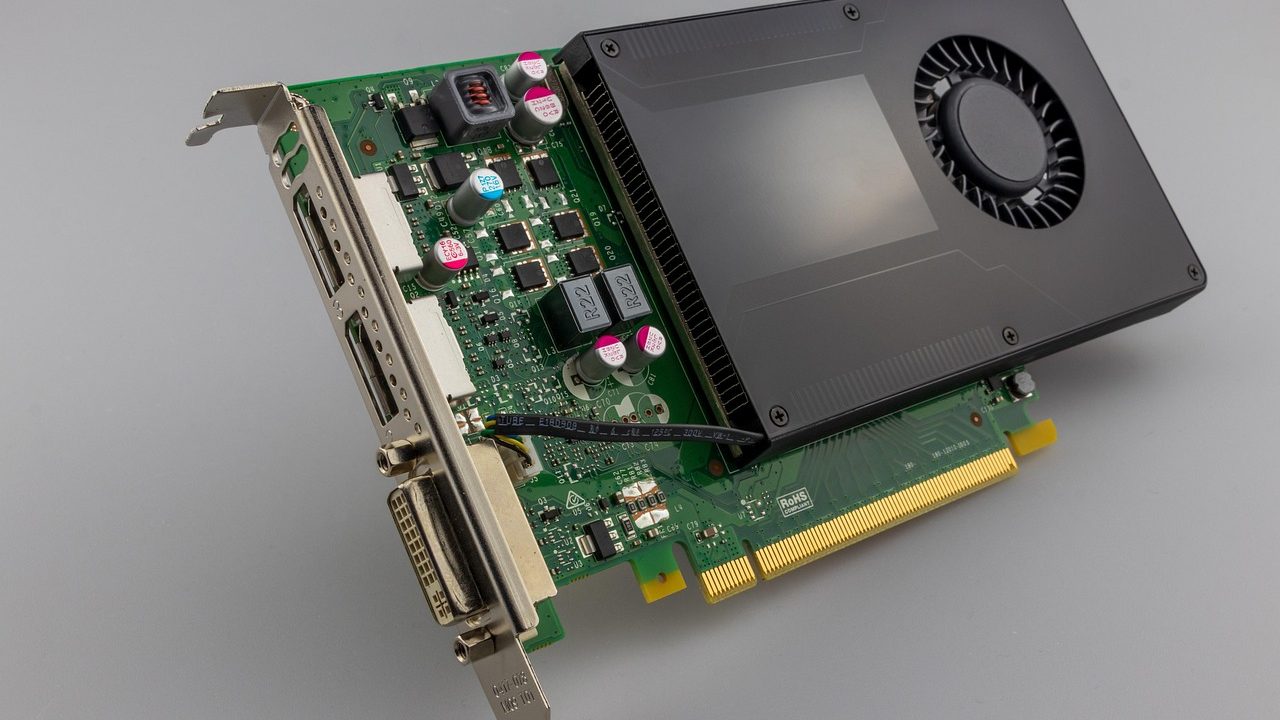
Linux 7.3's vRAM overcommit patches, documented on Pixel Cluster's blog, address a long-standing failure mode: under prior kernels, GPU memory exhaustion produced unusable performance degradation or outright crashes. The new patches implement transparent spilling to system RAM with substantially better management of which data remains hot in GPU memory. The practical result is that models previously requiring 24 gigabytes of VRAM to run at all can potentially operate on 16-gigabyte GPUs with acceptable degradation rather than complete failure — a meaningful expansion of accessibility for home-lab researchers, academics without institutional GPU budgets, and developers in regions where high-end hardware is expensive or scarce.
A preprint on GPU offload in Rust described a framework for writing GPU-accelerated code that compiles to portable GPU bytecode without requiring CUDA. The authors — and the preprint status warrants appropriate skepticism about specific performance figures — frame the work around Rust's core properties of safety and portability applied to GPU programming. CUDA's NVIDIA-specific architecture creates vendor lock-in for anyone doing GPU computing; alternatives like OpenCL and Vulkan Compute exist but carry ergonomic costs most developers find prohibitive. A Rust-native path with safety guarantees represents a potential long-term counter to that lock-in.
The Fairphone 6 and PostmarketOS story added a consumer hardware dimension to the accessibility theme. The PostmarketOS project achieved functional camera support on a Fairphone 6 running a community-maintained Linux distribution — technically demanding because modern smartphone camera pipelines typically rely on proprietary firmware tied to specific Android versions. The accomplishment serves as a proof of concept for indefinite software support on consumer hardware, extending Fairphone's existing repairability commitments further than most Android OEMs reach.
The Repair Cafe movement — a global network of over 2,500 free community repair events that originated in Amsterdam in 2009 — drew 129 upvotes for its organization's website. Volunteers with repair skills help attendees fix electronics, clothing, furniture, and appliances at no cost. The movement's rejection of commercialized repair in favor of community commons represents a more structurally radical position than the corporate right-to-repair framing that typically attracts media coverage.