Kelvin-Helmholtz Vortices, Bioengineered Gum, and an Urban Forest
How this was made Verified AI
Every Intellegix briefing is generated from that day's broadcast and run through automated checks before it publishes — with a human paged on any flag. Here is the trail for this edition.
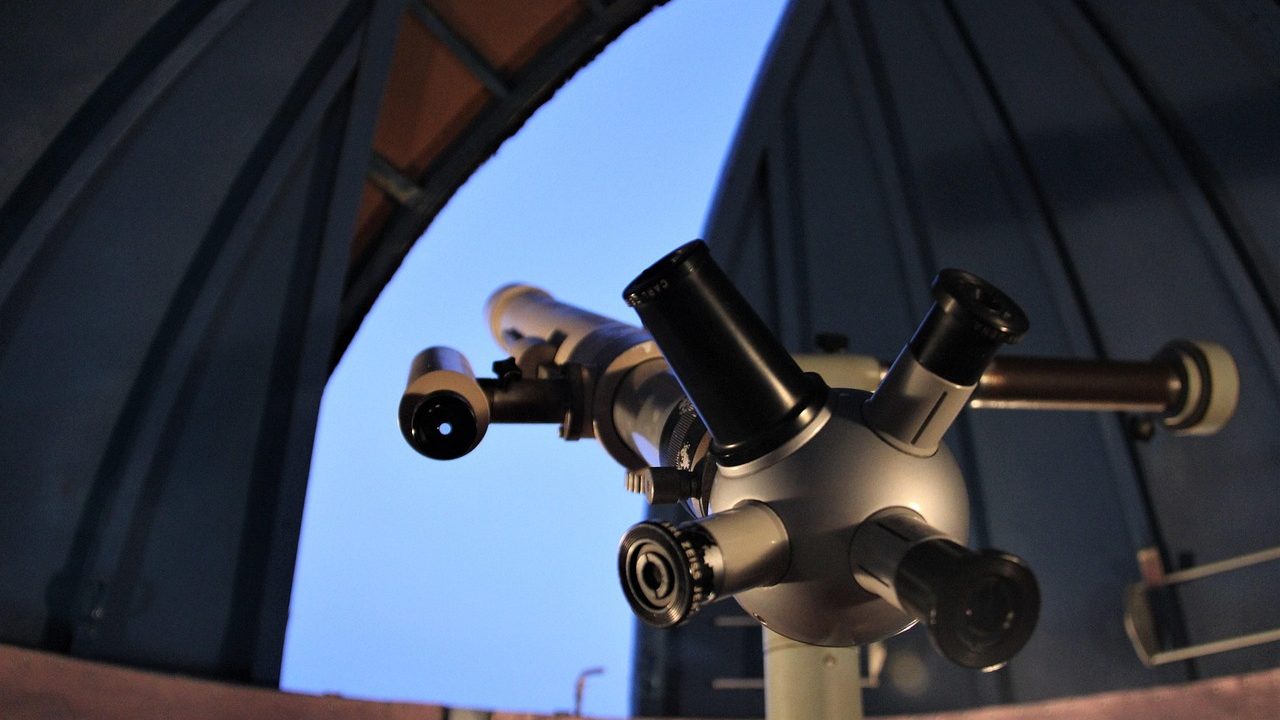
Scientists using the NSF Inouye Solar Telescope in Hawaii have directly observed Kelvin-Helmholtz instability on the Sun's surface for the first time — confirming a phenomenon that fluid dynamics researchers have theorized about for decades. Kelvin-Helmholtz instability produces the rolling, wave-like vortices visible in clouds during periods of strong wind shear; it has previously been observed in Jupiter's atmosphere, Saturn's rings, and at the boundary of Earth's magnetosphere, but never directly confirmed on the solar surface.
The observation was made possible by the telescope's adaptive optics, which can resolve features approximately 20 kilometers across on the Sun — remarkable precision given the Sun's diameter of 1.39 million kilometers. The vortices appeared at the boundary between convective plumes, columns of hot plasma rising from below, and the surrounding photosphere. Better characterization of energy transport at these small-scale interaction boundaries should improve models of solar flare and coronal mass ejection forecasting, potentially extending reliable prediction windows beyond the current horizon of a few hours.
Researchers have developed a bioengineered chewing gum that delivers antiviral proteins — specifically a modified plant-expressed antibody — through oral mucosa contact to combat HPV. The mouth's high vascular density and thin epithelial layers allow compounds to enter the bloodstream or act locally faster than compounds swallowed conventionally; nicotine gum and sublingual medications exploit the same pathway. Extending it to larger protein molecules, which typically cannot survive the digestive tract intact, represents the core research advance. The gum format also benefits from higher compliance than injection or pill schedules.
In São Paulo, a single resident transformed degraded urban land into a functioning multi-hectare forest over roughly fifteen years. Beyond the literal achievement, researchers found the forest is now measurably cooler than surrounding streets by several degrees Celsius during peak summer heat — data of direct interest to urban planners and climate adaptation researchers. The Hacker News discussion around the story broadened into a structural observation: cities generally have rules designed to prevent land development that are poorly equipped to incentivize or protect land restoration, creating regulatory friction for exactly the kinds of projects that urban heat island research increasingly recommends.