Skin Tones, Tiny Hardware, and the Quiet Infrastructure Keeping the Internet Alive
How this was made Verified AI
Every Intellegix briefing is generated from that day's broadcast and run through automated checks before it publishes — with a human paged on any flag. Here is the trail for this edition.
The highest-scoring technical Show HN of the week — 548 points — was a browser-based demonstration of an algorithm for generating a perceptually diverse and mathematically principled palette of human skin tones. Rather than sampling RGB space, the algorithm maps skin tone variation onto a specific path through a perceptual color space such as OKLAB, where equal numerical steps correspond to equal perceived color differences. The 94-comment thread drew color scientists, professional photographers, UX researchers, and product managers, with photographers noting that skin tone accuracy has been a known equity problem since the days of Kodak's Shirley cards — calibration references developed using white women as the standard, a bias that propagated into digital camera sensor calibration.
The libexpat funding announcement addressed a quieter but arguably more urgent problem. libexpat, a foundational XML parsing library embedded in Python, Apache, and countless other projects for over two decades, has received a commitment from the City of Munich to fund its primary maintainer for up to six months through an open-source sabbatical program. Munich has been an active open-source advocate — it famously migrated city administration to Linux and LibreOffice before taking a more nuanced approach that now includes funding critical dependencies rather than merely consuming them. The six-month timeline is modest but sufficient for meaningful technical debt reduction and a proper security audit. The parallel revival of the Bugtraq vulnerability disclosure mailing list at its original securityfocus.com home drew nostalgia from the security community and underscored the same theme of maintaining foundational infrastructure.
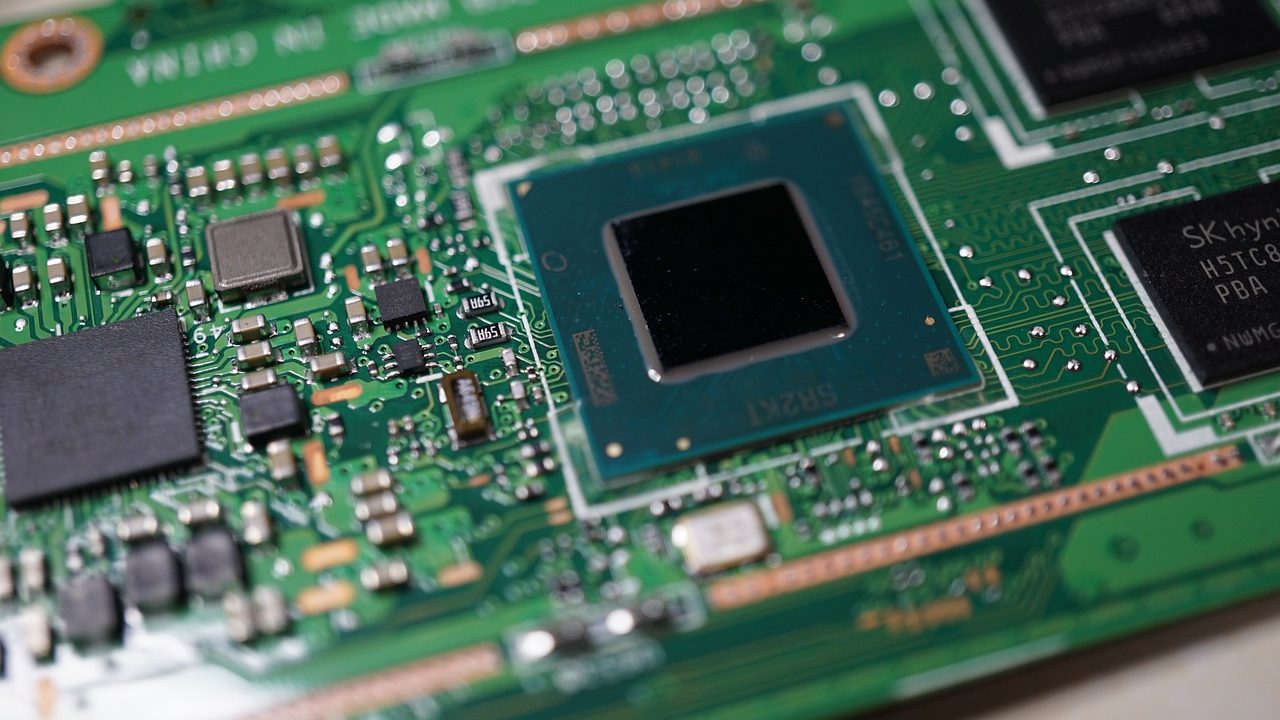
At the hardware frontier, a Show HN entry demonstrated a small language model running on an ESP32-S3 microcontroller retailing for eight dollars — a chip with 512 kilobytes of RAM and 8 megabytes of flash. Practical output quality is limited, but as a demonstration of the lower bound for language model inference in IoT contexts, it brackets one end of a capability spectrum whose upper end is represented by Maple-Preview: a 20-billion-parameter ternary mixture-of-experts model achieving 120 tokens per second on an iPhone. Ternary weight representation — encoding each weight as negative one, zero, or positive one rather than a floating-point value — reduces memory and compute cost dramatically while, according to recent research, preserving a surprising fraction of full-precision quality. At 120 tokens per second, the speed is production-usable for conversational interaction, with significant implications for privacy-preserving on-device inference and AI features in regions with unreliable connectivity.
Rounding out the hardware and craft segment, a project called Birduino — a card-triggered audio player for learning bird calls, built on Arduino — circulated with the quiet affection that Hacker News reserves for things built out of genuine enthusiasm rather than commercial intent. And an 1851 English translation of Hero of Alexandria's pneumatics treatise, documenting first-century working steam-powered and coin-operated devices, earned 34 upvotes as a reminder of what the platform's audience finds intrinsically exciting.