Solid-State Batteries, a Quiet Glass Shortage, and a Rocket Six Days from the Moon
How this was made Verified AI
Every Intellegix briefing is generated from that day's broadcast and run through automated checks before it publishes — with a human paged on any flag. Here is the trail for this edition.
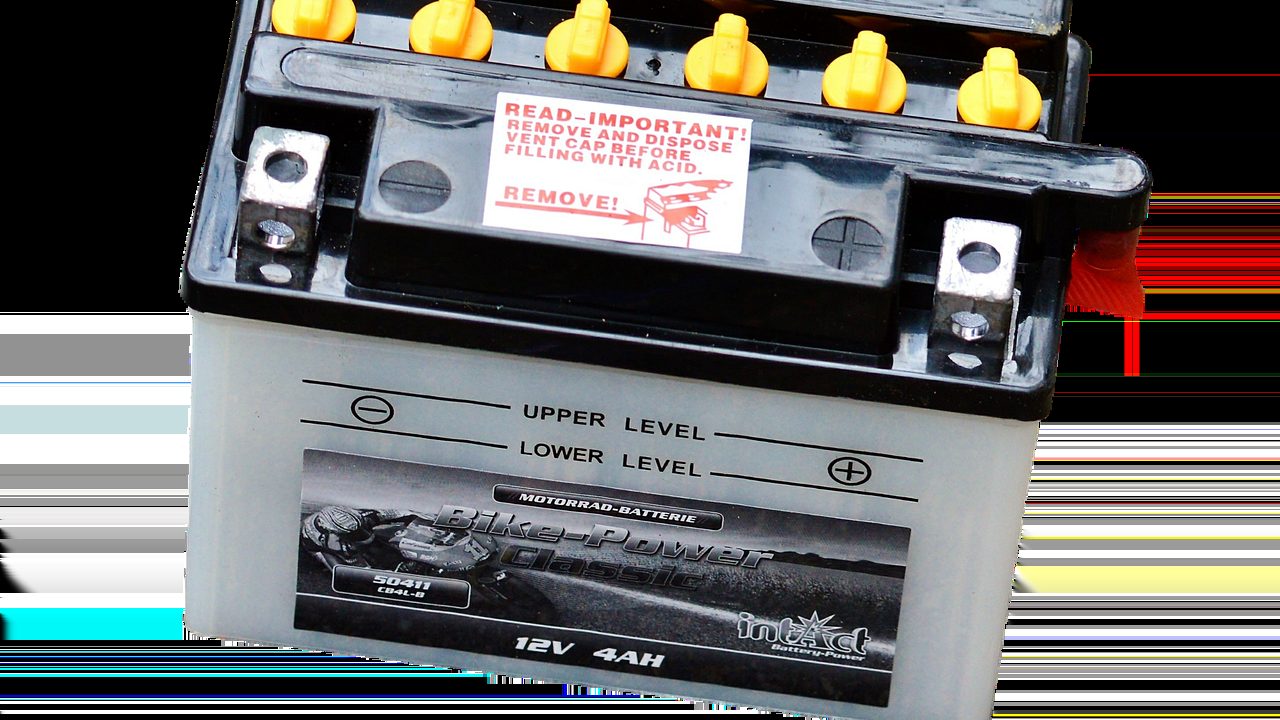
A piece from Construction Physics earned a front-page score by explaining why solid-state batteries are hard rather than merely asserting that they matter. The fundamental appeal is well known: replacing a liquid electrolyte with a solid eliminates the primary fire risk, potentially raises energy density, and extends cycle life. Toyota, Samsung, QuantumScape, and Solid Power all have programs running. The engineering obstacle the article handles well is the interface problem — solid electrolytes and solid electrodes expand and contract at different rates during charging and discharging, causing microcracks that erode ionic conductivity over time. Liquid electrolytes simply accommodate that movement; solid ones cannot.
Manufacturing compounds the materials challenge. Conventional lithium-ion production is a mature, highly optimized process at enormous scale. Solid-state cells require different deposition techniques, often in extremely dry or inert environments, with tighter tolerances throughout. Most credible industry timelines for mass-market solid-state electric vehicles remain in the 2028-to-2032 window despite decades of research, largely because the capital cost of retooling an entire battery supply chain is staggering.
A related materials story — Ed Conway's Glass Famine — describes a quieter supply chain constraint in specialty glass: the specific formulations used in pharmaceutical vials, lab equipment, and advanced display panels. Conway argues that the concentration of specialty glass manufacturing in a small number of facilities, combined with growing demand from biotech and electronics, has created a structural shortage that most people outside those industries have not yet noticed. The pattern fits a broader category of strategic dependencies in non-consumer-facing materials that attract little public policy attention compared with semiconductors or rare earth metals.
The space story carries a specific date. A rocket upper stage — the tracking community's best current assessment identifies it as a Chinese booster, though some ambiguity about the exact mission persists — is on a confirmed impact trajectory with the moon, with the projectpluto.com tracking page placing the strike on August 5th, six days out. The object has been in a chaotic, sun-perturbed orbit for several years, an unusual trajectory attributed to a disposal maneuver that apparently never occurred after a mission to the lunar vicinity. There is a small incidental science payoff: any operational lunar seismometers could capture the impact signal, and the ejecta plume may be detectable from orbiting spacecraft. Also on the physical-world beat, an IEEE Spectrum piece profiled Olinia, a Mexican startup designing electric vehicles specifically for Mexican road conditions and variable grid reliability — framed as a test case for whether the EV transition can happen in emerging markets on their own terms.