Kimi K3 and the TPU Frontier: What Hardware Diversity Actually Costs
How this was made Verified AI
Every Intellegix briefing is generated from that day's broadcast and run through automated checks before it publishes — with a human paged on any flag. Here is the trail for this edition.
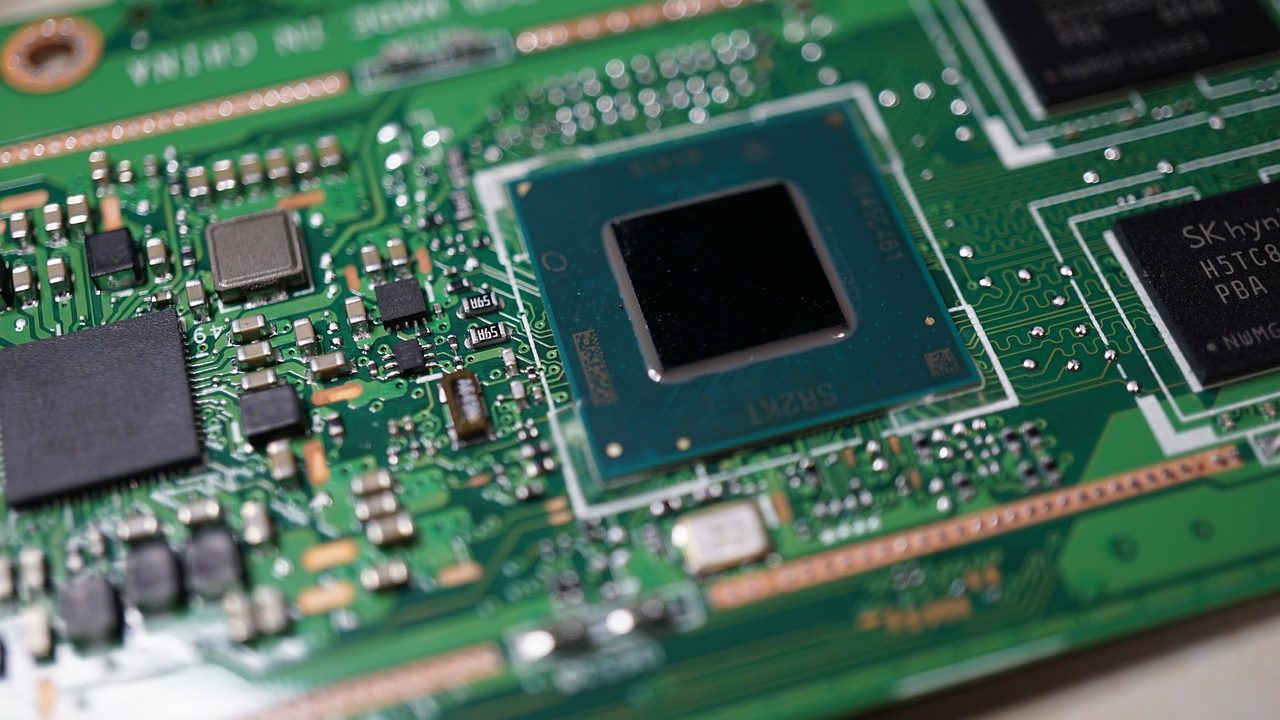
Two AI stories on Saturday illuminate where the frontier of model development and hardware strategy currently sits. Simon Willison's analysis of Kimi K3, the latest model from Chinese lab Moonshot AI, uses the pelican benchmark to argue that aggregate leaderboard scores are losing their discriminating power — and that the pattern of a model's failures is now as informative as its headline number. Separately, a detailed technical writeup on porting the nanochat model from PyTorch to JAX for TPU execution documents what actually breaks when training workloads move to Google's custom hardware.
The pelican benchmark tests reasoning about unusual, low-frequency scenarios that models cannot navigate through pattern matching against training data, because the scenarios are deliberately constructed to fall outside common distributions. Willison's analysis found that Kimi K3 shows specific strengths in certain reasoning chains while falling short on others — a fingerprint of architectural capability and brittleness that aggregate scores obscure. The K3 results are also a data point in an ongoing empirical argument: Moonshot AI is among a cluster of Chinese labs, alongside Zhipu AI and Baidu, demonstrating frontier-level model performance despite U.S. export controls on advanced semiconductors, raising questions about whether chip access restrictions are materially constraining Chinese AI development. The story drew 353 points and 185 comments.
The nanochat TPU porting writeup addresses the less glamorous side of hardware diversity. PyTorch uses an eager execution model — operations execute immediately, making debugging intuitive. JAX, the native framework for TPUs, uses a functional transformation model in which pure functions are written first, then transformed with primitives like jit for compilation, vmap for batching, and pmap for cross-device parallelism. The mental shift is significant: PyTorch patterns including in-place operations, dynamic graph construction, and certain forms of conditional logic either fail in JAX or require substantial restructuring. The nanochat author describes specific cases where PyTorch idioms had to be rewritten from scratch. This software ecosystem fragmentation means that moving workloads across hardware is not plug-and-play — and that ecosystem lock-in, whether to TPUs via JAX or to Nvidia via CUDA, is an architectural consequence as much as a commercial strategy.