Midway Rising Heads to a Vote — With Billions in Promise and Plenty of Fine Print
How this was made Verified AI
Every Intellegix briefing is generated from that day's broadcast and run through automated checks before it publishes — with a human paged on any flag. Here is the trail for this edition.

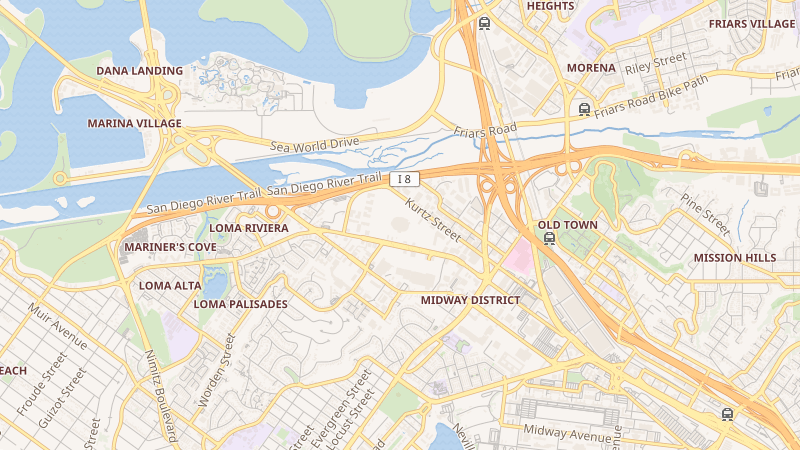
At one o'clock Monday afternoon, the San Diego City Council is scheduled to consider adopting the Midway Rising Specific Plan, a proposal to redevelop 49.23 acres of city-owned land surrounding Pechanga Arena into a neighborhood of up to 4,254 homes, a new 16,000-seat entertainment venue, 130,000 square feet of commercial space, and 14.54 acres of parks. Project representatives and city staff project 18.4 billion dollars in long-term economic output. The development team includes billionaire Stan Kroenke, and the proposed lease runs 105 years.
The affordable housing math has drawn the most scrutiny. The agreement calls for 2,000 affordable apartments, but a financing mechanism known as 'off-siting' had raised the possibility that between 200 and 800 of those units — 10 to 40 percent of the commitment — could be redirected to other locations entirely, according to an estimate from the city's Independent Budget Analyst. The city revised the agreement ahead of Monday's hearing: off-siting would now require both city approval and state clearance, and the developer must first demonstrate it cannot finance the affordable units on-site before that option becomes available.
Critics remain active on three fronts — environmental impacts, infrastructure financing, and the durability of the affordable housing commitments. The proposed infrastructure investment of approximately 460 million dollars is expected to be reimbursed through an enhanced infrastructure financing district, but those reimbursements represent a proposed mechanism, not committed funds. The total project cost, estimated at 4.2 billion dollars, is a development-team figure for a multi-decade, multi-phase buildout whose financial assumptions depend on how the broader tax base grows over time.
A minor but telling detail: one source listed the residential component as 4,224 homes while the city's specific-plan page and Union-Tribune reporting from November 4th put the figure at 4,254. The discrepancy is small but signals that project documentation remains in flux even as the council is being asked to cast a final vote. Analysts and advocates tracking the deal closely say the critical long-term test will be whether the enhanced infrastructure financing district forms at the projected tax-increment capture rate — and whether affordable housing construction milestones are met on the timeline written into the agreement.