Waymo Clears Final Hurdle, Driverless Robotaxis Could Roll Within Weeks
How this was made Verified AI
Every Intellegix briefing is generated from that day's broadcast and run through automated checks before it publishes — with a human paged on any flag. Here is the trail for this edition.
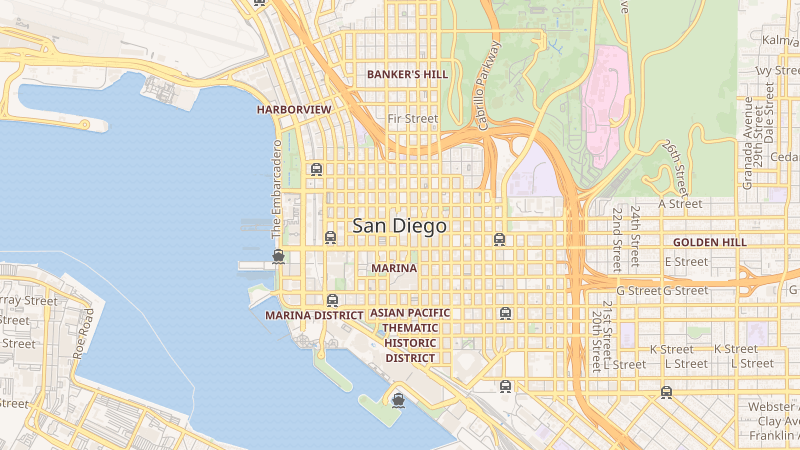
Waymo has received final regulatory approval to operate a fully driverless, fare-charging robotaxi service in San Diego. The California Public Utilities Commission approved the company's updated Passenger Safety Plan on August 14th, clearing the last formal hurdle between the autonomous vehicle company and commercial operations in the market.
Company spokesperson Sandy Karp confirmed the initial service area will cover roughly 40 square miles, using Jaguar I-PACE electric vehicles alongside Waymo's newer 'Ojai' model platform. The public launch is expected, in Karp's words, 'before the end of summer' — and given that meteorological summer ends September 22nd, the window could be measured in weeks. San Diego joins San Francisco and a handful of other markets where fully driverless commercial transportation is now legally permitted.
The path to approval was not without resistance. The Metropolitan Transit System formally objected to the application, and the MTS Taxicab Advisory Committee filed separate objections centered on transit disruption and the economic impact on licensed cab operators. CPUC staff reviewed those objections and ruled they did not constitute valid grounds to block the application — meaning the people most directly threatened by robotaxi competition went through the proper regulatory channel and lost.
The 40-square-mile initial coverage area represents a meaningful geographic footprint, though not the full county. Where those boundaries fall will determine which neighborhoods gain early access and which are left waiting. Broader questions about taxi licensing revenue and the labor market for professional drivers were not resolved by the CPUC ruling — they were deferred.