Schools Expand Enrollment and Security While the Santee Tax Measure Faces Hard Questions
How this was made Verified AI
Every Intellegix briefing is generated from that day's broadcast and run through automated checks before it publishes — with a human paged on any flag. Here is the trail for this edition.

San Diego Unified School District reported roughly 3,033 new summer enrollments against an annual recruitment target of 1,309 students — more than double the goal, reflecting sustained outreach effort by the district as it works to stabilize its enrollment trajectory. Simultaneously, the district's technology restriction policy is now live across nearly 100,000 students at 175 schools, with YouTube blocked by default on district-issued Chromebooks unless a teacher specifically enables it and non-instructional gaming blocked district-wide. The policy passed on a 5-0 board vote, giving it strong internal consensus; implementation at scale is the real test. Superintendent Fabi Bagula has been the consistent public voice on both the enrollment news and the technology policy, which the district is positioning as part of a broader effort to differentiate its educational model and retain students.
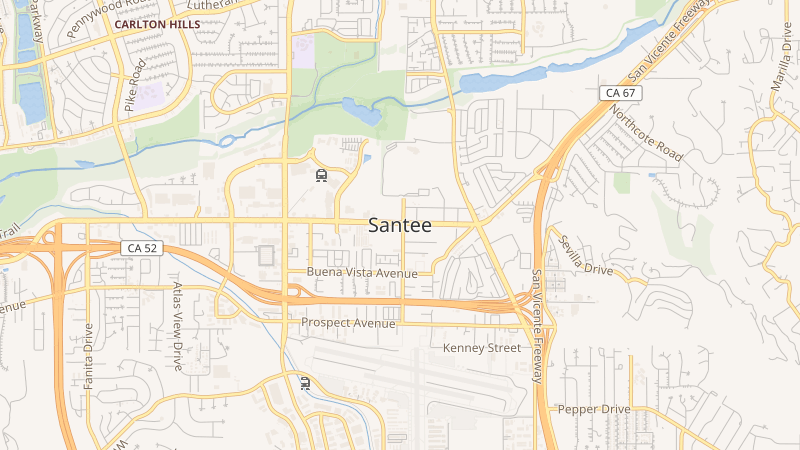
In Santee, the district appointed Michael Castillo as its first-ever director of safety and security following a district safety assessment. Castillo comes from the University of San Diego, where he managed campus law enforcement and training. Creating the position signals a decision to treat safety infrastructure as a function requiring dedicated professional leadership rather than one distributed across existing administrative roles.
The Santee sales tax measure deserves an honest stress-test of its central assumptions. The proposal's accountability architecture — annual independent audits, a citizens' oversight committee, a ten-year sunset — is designed to substitute for the legal spending restrictions that a two-thirds-threshold restricted measure would provide. But as a general fund measure, revenues identified for fire stations and infrastructure could be redirected by future councils under sufficiently pressing fiscal circumstances, such as pension obligations, in ways a legally restricted measure would prevent.
The $140 million ten-year revenue projection also depends on a sales tax base that holds or grows across a decade. Santee is not immune to the forces that affect retail sales broadly: e-commerce displacement, economic downturns, and demographic shifts. If the base softens even modestly, the projected total could fall to $115 million or $120 million, forcing difficult choices about which promised projects get phased differently than voters expected. The rate itself may compound that risk — if Santee's 8.75 percent rate leads residents to make more purchases in neighboring lower-tax jurisdictions or online, the forecast built into the proposal could prove optimistic.
Two early-warning signals worth watching if the measure passes: first, compare Year 1 actual revenue against whatever specific figure the campaign projects — a shortfall of more than ten percent would suggest the ten-year total needs downward revision and that a public conversation about funding priorities will arrive sooner than anticipated. Second, watch the composition of the citizens' oversight committee; if appointments are dominated by individuals with prior ties to the council majority or major contractors, the accountability mechanism may be weaker in practice than it appeared on the ballot. None of this settles the underlying question — Santee's fire station needs and infrastructure backlog are documented and real — but it frames the right homework for voters before November.