Supervisors Vote on ICE and CBP Range Access While Delegation Demands Navy Carrier Review
How this was made Verified AI
Every Intellegix briefing is generated from that day's broadcast and run through automated checks before it publishes — with a human paged on any flag. Here is the trail for this edition.

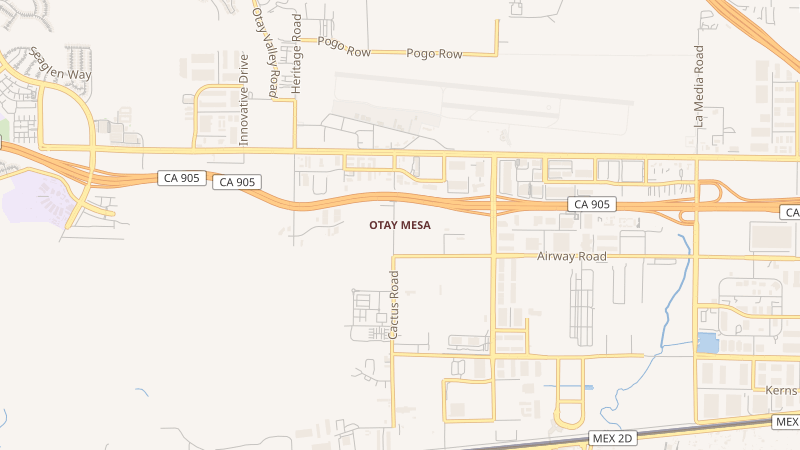
The San Diego County Board of Supervisors convened Tuesday for a vote on whether to terminate federal agency access to two SDG&E firing ranges — one at Otay Mesa and one at Camp Elliott — currently used by Immigration and Customs Enforcement and Customs and Border Protection personnel for training. The vote is discrete in scope, targeting two specific facilities and the existing access agreements that govern them, but its political signal is unmistakable at a moment when the county's relationship with federal immigration enforcement remains one of the region's most contested civic issues.
Ending ICE and CBP access to the Otay Mesa range in particular would create a practical operational challenge for border enforcement agencies given the facility's geographic proximity to active enforcement operations. The Board majority, which has consistently taken a skeptical posture toward expanded immigration enforcement cooperation since 2020, was expected to weigh those practical considerations alongside the political dimensions of the vote.
Separately, San Diego's entire congressional delegation sent a letter Monday demanding an independent review of the USS Abraham Lincoln following a series of serious incidents aboard the San Diego-home-ported carrier. The delegation's unity is notable because its members do not form a unified bloc on nearly any issue — co-signatures from both Democrats and Republicans signal that the incidents crossed a threshold serious enough to override ordinary partisan divisions. The Navy will now face pressure to respond, either by agreeing to an independent review, proposing an alternative accountability mechanism, or contesting the delegation's framing. No hard deadline was specified in the letter, but congressional demand letters of this kind carry implied timelines, and committee-level follow-through remains possible if the response is deemed insufficient.