Coastal Commission Clears the Way for Mission Bay's Half-Billion-Dollar Makeover
How this was made Verified AI
Every Intellegix briefing is generated from that day's broadcast and run through automated checks before it publishes — with a human paged on any flag. Here is the trail for this edition.

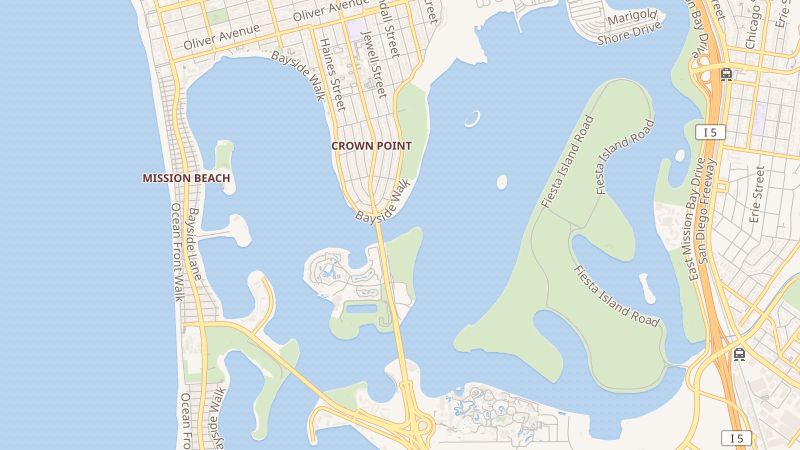
The California Coastal Commission voted unanimously Friday to approve San Diego's De Anza Natural plan, clearing a critical regulatory hurdle for what could become one of the largest ecological restoration projects ever undertaken at Mission Bay. The approval unlocks the city's ability to compete for state and federal restoration funding on a project whose potential cost city officials have placed in the range of one billion dollars, phased across 20 to 30 years.
The plan targets roughly 500 acres in northeast Mission Bay, envisioning 262 acres of restored habitat that includes 140 new acres of marsh, alongside 67 acres of recreation space, 49 acres of tent and RV camping, and 23 acres of parkland. City Council President Joe LaCava cited the Council's earlier unanimous approval as a major achievement; the Commission's sign-off carries comparable weight as the state body with coastal jurisdiction.
The Commission did require modifications before granting approval. A proposed path near the wetlands was rerouted, and the plan was strengthened to include more robust sea-level-rise provisions — a change the Commission specifically demanded, arguing the climate-adaptation framing of the project needed firmer grounding in the plan's language. The city accepted those changes to secure the vote.
Those revisions may also improve the city's competitive position in grant markets. State and federal restoration funding programs increasingly weight climate co-benefits heavily in scoring criteria, meaning a plan with stronger sea-level-rise provisions could rank better than one without when the city begins submitting applications.
Critical uncertainty remains, however. Coastal Commission approval is a necessary condition for the project — not a sufficient one. The billion-dollar figure is a potential, not a commitment; the timeline spans several mayoral administrations; and the funding itself has yet to be secured. Analysts watching the project's progress are advised to track whether the city files a competitive state restoration grant within 18 months, whether De Anza's sea-level-rise provisions appear in the city's capital improvement planning documents, and whether a Phase 1 construction contract reaches City Council before the end of 2028.