SDG&E Earnings Face Ratepayer Protest; Federal Abuse Lawsuit Expands
How this was made Verified AI
Every Intellegix briefing is generated from that day's broadcast and run through automated checks before it publishes — with a human paged on any flag. Here is the trail for this edition.
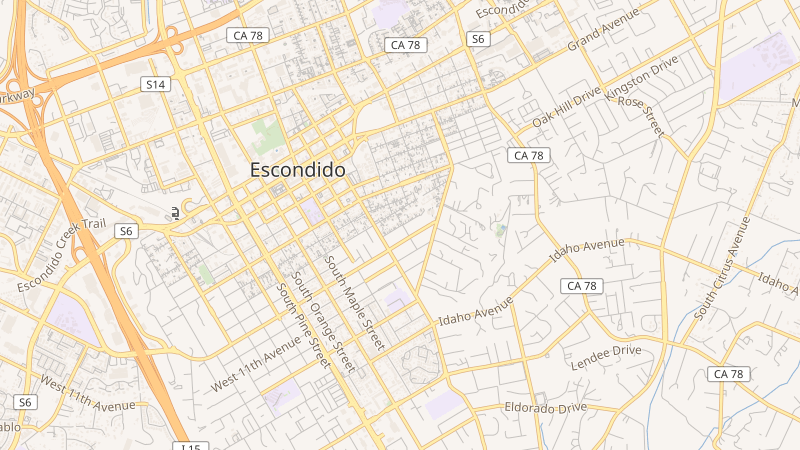
Sempra, the San Diego-based parent company of SDG&E, is releasing second-quarter 2026 earnings Thursday morning, with analyst consensus projecting revenue of approximately $3.19 billion and earnings per share near $1.00 to $1.01. The San Diego Energy Justice Coalition chose the same morning to hold a press conference at 488 Eighth Avenue downtown, running from 10:45 to 11:45 a.m. — a deliberate attempt to use the earnings news cycle to amplify a pointed message about rates and profits.
The coalition's core argument: SDG&E reported $296 million in first-quarter profit while San Diego residential customers pay the highest electricity rates in the continental United States — not merely the highest in California, but the highest in the lower 48. For a region where housing costs already place severe pressure on household budgets, utility bills represent a compounding affordability burden. Whether the policy remedies the coalition advocates are well-suited to a utility sector governed by infrastructure investment obligations and long-term financing commitments is a separate debate, but the underlying affordability grievance is documented.
Neither the San Diego City Council nor the County Board of Supervisors holds public meetings Thursday; the Council remains in summer recess and the Board's next General Legislative Session is August 18. The most significant government action of the week is instead unfolding in federal court, where a newly filed lawsuit has added eight new plaintiffs — identified as Jane and John Does — accusing San Diego County of failing to prevent decades of sexual abuse by guards and staff across multiple juvenile detention facilities. The named facilities include a since-closed East County detention camp, a youth shelter, and two juvenile halls. County counsel has declined to comment on the pending litigation.
The case is expected to move into discovery and depositions before any settlement or trial. The allegations — spanning facility types, geographies, and decades — center on the legal question of what the county knew and when. The filing arrives as San Diego County voters are set to weigh a charter reform package on the November ballot that would create an independent ethics commission, an independent budget analyst, an independent program auditor, and extended term limits — measures that have placed county oversight and accountability at the center of the fall political conversation.