Half of Mission Bay's Restrooms Stay Closed, and Other City Hall Battles
How this was made Verified AI
Every Intellegix briefing is generated from that day's broadcast and run through automated checks before it publishes — with a human paged on any flag. Here is the trail for this edition.

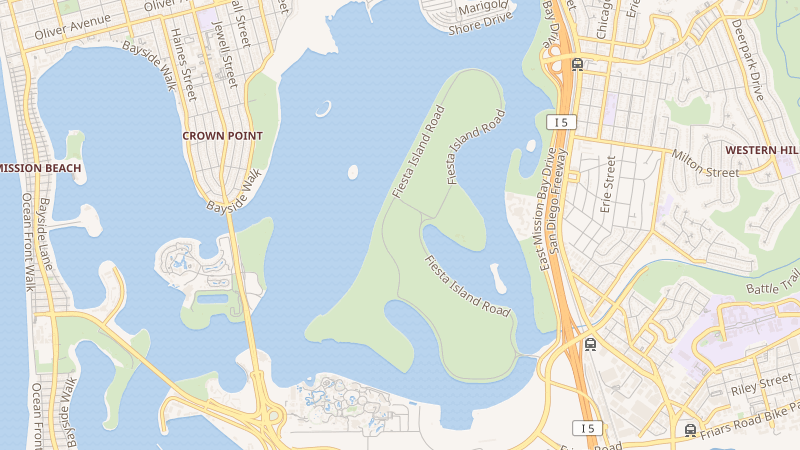
The San Diego City Council voted earlier this year to close 13 of 28 public restrooms at Mission Bay Park as part of budget-cutting measures, saving approximately $540,000 annually. Councilmember Raul Campillo, who supported the cuts, has since reversed his position — saying he did so under the belief the issue would go to November ballot voters — and is now asking Mayor Todd Gloria to reopen the facilities. Gloria's response has been unambiguous: there is no funding available in the current fiscal year.
Mission Bay Park draws millions of visitors annually. Closing 13 of 28 restrooms amounts to nearly half the park's facilities on a property that serves kayakers, cyclists, families, and a significant volume of RV campers. The $540,000 in savings is real, but so is the public-health calculus. The situation is a microcosm of the city's broader budget crunch: cuts that look defensible in an accounting room can feel untenable on the ground, and there is no easy path to undoing them mid-fiscal-year after the city closed a shortfall of more than $250 million in FY 2026.
Separately, Mayor Todd Gloria's downtown redevelopment plan generated hours of testimony before a city council panel Tuesday night, stretching late into the evening — a signal of substantial public interest or opposition. The proposal is connected to the long-stalled Civic Center redevelopment discussion and a Joint Powers Authority concept that cleared a committee earlier this month. The council panel also approved a 25-year lease for the nonprofit operating a downtown multicultural center, locking in long-term operational stability for a cultural institution in a contested real-estate environment.
Meanwhile, San Diego Unified School District's request for more than 100 traffic safety upgrades near campuses — compiled in a 35-page survey from principals across the system — remains unresolved with city officials. The requests include speed bumps, crosswalks, lighting improvements, and stop signs at specific identified hazards. With school starting August 10th, the window for installation has effectively closed; the political accountability for that gap now rests with city officials who have had the list.