Federal Government Paid $739 Million for a Facility Appraised at $168 Million
How this was made Verified AI
Every Intellegix briefing is generated from that day's broadcast and run through automated checks before it publishes — with a human paged on any flag. Here is the trail for this edition.
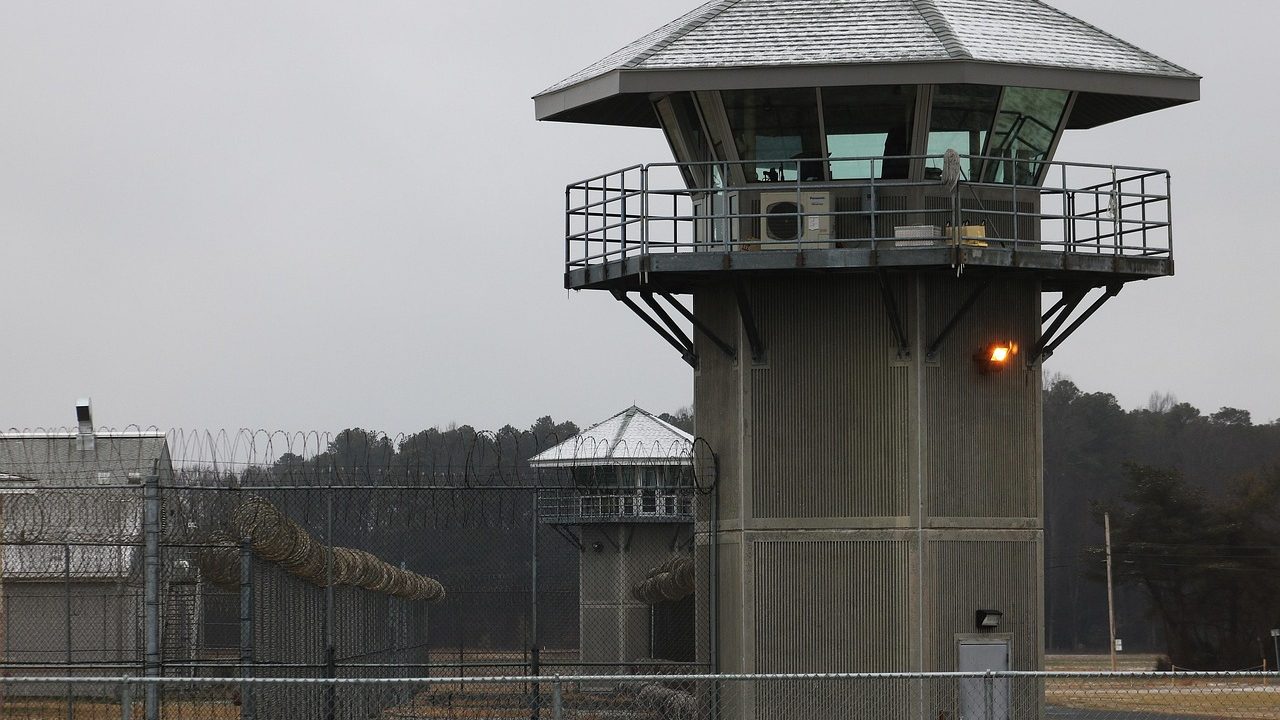
The federal government's purchase of the Otay Mesa Detention Center closed July 2nd at $739.2 million — part of a combined $1.47 billion deal with CoreCivic that also included the California City Detention Facility at $732.6 million. CoreCivic will continue operating Otay Mesa under its existing ICE contract through December 2029, with an option to extend five additional years. The 1,994-bed facility gives DHS direct ownership of one of the largest immigration detention sites on the Southern California border.
Records surfaced by NBC 7 reveal the facility was independently appraised at $168 million before the sale — meaning the federal government paid a premium of $571 million over appraised value, or roughly 340 percent above appraisal. CoreCivic expects approximately $1.1 billion in net proceeds after taxes and transaction costs from the combined two-facility deal.
The transaction also creates an unresolved accountability question. When CoreCivic owned the property, San Diego County had secured a federal judge's order granting county health inspectors access under a 2024 state law. Now that the federal government owns the facility outright, it is genuinely unclear whether those county inspection rights survive the transfer to DHS ownership. County officials have not yet received a definitive legal answer, leaving a meaningful oversight gap for a facility housing nearly 2,000 people.
On the residential side, San Diego County's median sold price for single-family detached homes hit $1,100,000 in June — a new record. Only 1,415 detached homes are actively listed countywide, and properties are averaging just 22 days on market. The attached-housing market tells a different story: condo and townhome prices are running below year-ago levels, offering some measure of breathing room. Commercial real estate is quietly stabilizing as well; San Diego posted its second consecutive quarter of positive net absorption in office space during Q2 2026, with the Eastgate submarket leading the recovery.
The San Diego City Council voted unanimously to create an Affordable Housing Preservation Fund, seeded with $8.5 million, aimed specifically at preventing existing low-rent apartments from converting to market rate as affordability covenants expire. A 2020 study by the San Diego Housing Commission projected more than 13,000 affordable units could lose protected status by 2040. The $8.5 million represents a stated commitment; critics note it amounts to less than $1,000 per at-risk unit if spread evenly across the projected pipeline.