SDUSD's Screen-Time Ban Takes Effect August 10 — But Will It Move the Needle?
How this was made Verified AI
Every Intellegix briefing is generated from that day's broadcast and run through automated checks before it publishes — with a human paged on any flag. Here is the trail for this edition.
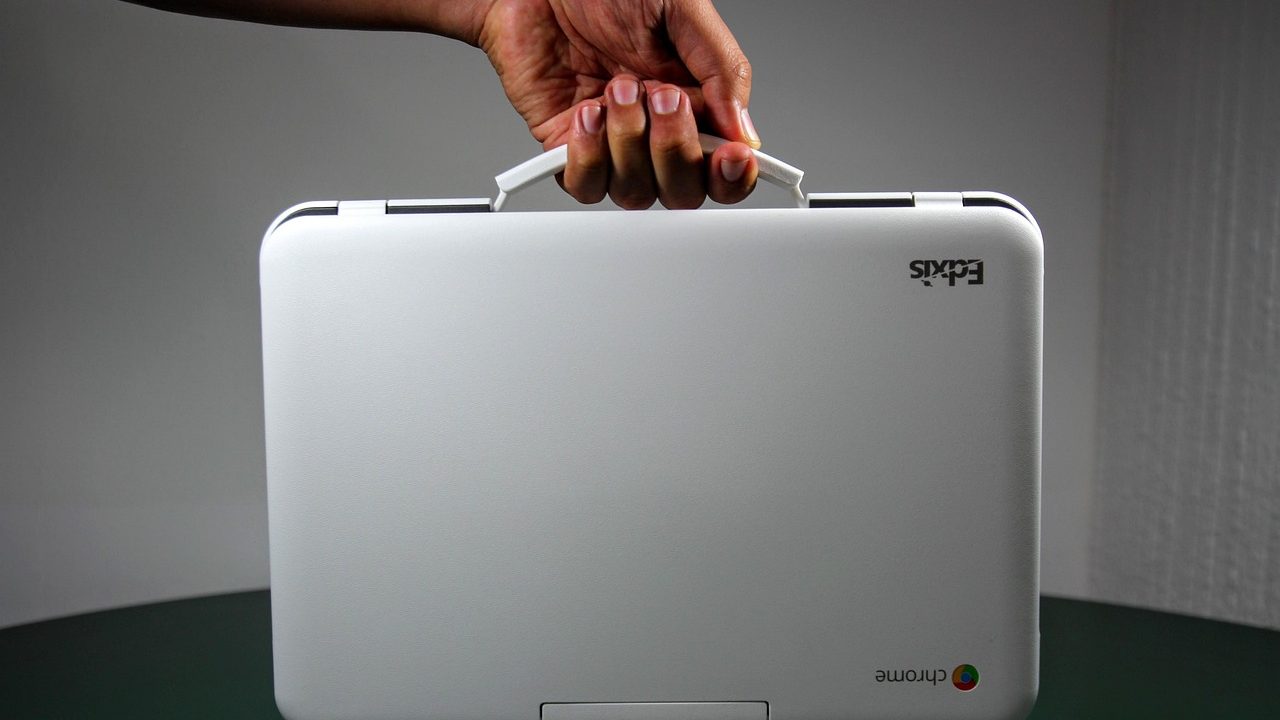

San Diego Unified School District's board unanimously approved the Learner-Centered Technology Use resolution at its June 23rd meeting, with specific implementation details now confirmed. Beginning August 10th — the first day of the 2026-27 school year — YouTube and all video-streaming platforms will be prohibited on one-to-one student devices unless a teacher specifically enables access for a defined learning objective. Non-instructional gaming platforms are banned from all district-issued devices. Computer carts will be removed entirely from Transitional Kindergarten classrooms. Students with IEPs or 504 plans are exempt from restrictions that would conflict with their accommodations.
Board President Richard Barrera described the initiative as gaining nationwide attention and framed August 10th as a first step in a longer, year-long collaborative process. Subsequent phases will examine age-appropriate device guidance, Chromebook screen-time limits outside school hours, and how artificial intelligence fits into classroom instruction.
The policy arrives against a grim fiscal backdrop. A June 12th report confirmed that every major school district in San Diego County is operating in deficit following mass layoffs, pay cuts, and campus closures in the 2025-26 school year, with deeper austerity projected ahead. The screen-time resolution costs relatively little to implement and gives the district something affirmative to announce to parents in a year dominated by cuts — including reductions to mental health clinicians.
Whether the policy will produce measurable academic improvement is a genuinely open question. The research on device restrictions in schools is less settled than the policy momentum implies, and a student with a personal phone in their pocket can redirect the same distracted behavior to a different screen the moment their district Chromebook is locked down. A more pointed challenge: the primary drivers of poor academic outcomes in San Diego Unified — class size pressures, teacher retention, and equity gaps that predate the device era — are not addressable by a YouTube ban. The signal to watch will be 2026-27 chronic absenteeism rates and spring 2027 standardized assessment scores in the grade bands most affected. Both are published publicly by the district. If those numbers improve and can be plausibly attributed to the device policy rather than other variables, the evidence will speak for itself.