Civil Grand Jury Finds Grossmont School Board Made Mental Health Decision Based on 'Falsehoods' — But What Comes Next Matters Most
How this was made Verified AI
Every Intellegix briefing is generated from that day's broadcast and run through automated checks before it publishes — with a human paged on any flag. Here is the trail for this edition.
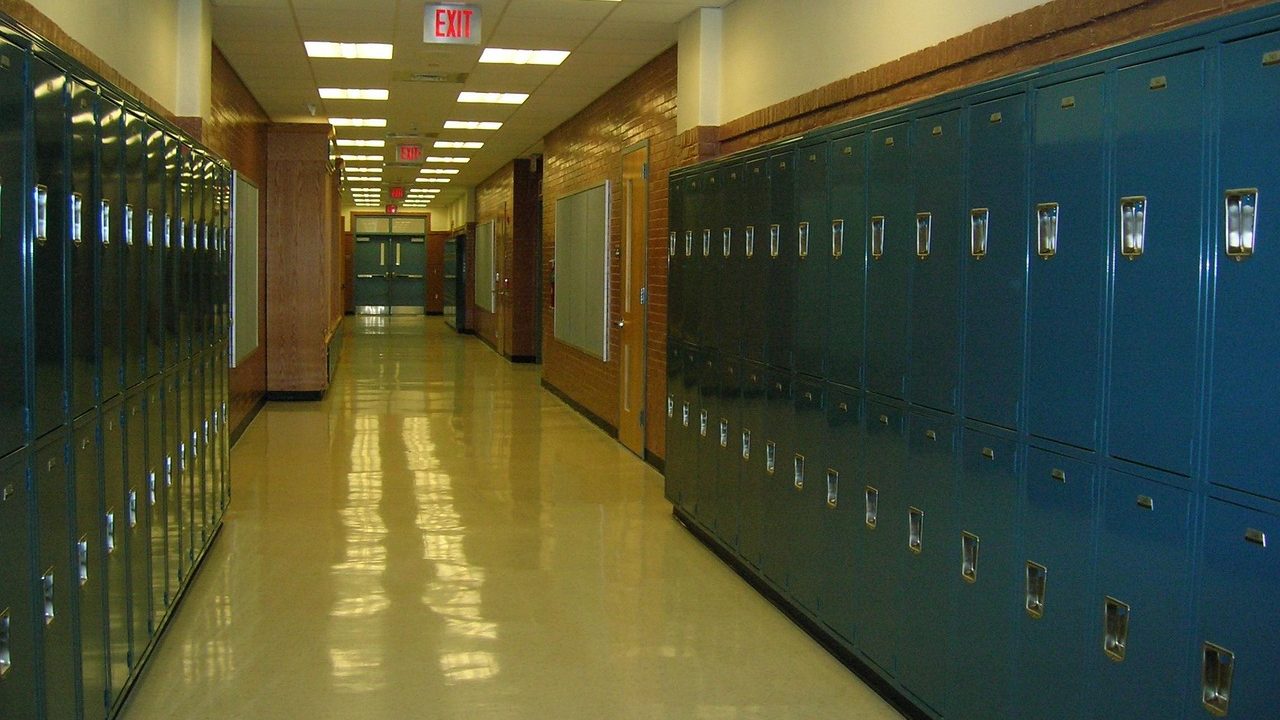
A San Diego County civil grand jury report published June 4 found that the Grossmont Union High School District governing board's 2023 decision to change mental health providers was based on — in the grand jury's own language — 'falsehoods and misrepresentations' about care being provided to LGBTQ+ students. The practical consequences of that decision were measurable: students across the district were left without access to six mental health clinicians and without a suicide prevention program for four full months.
The report makes ten recommendations, including allowing San Diego Youth Services to provide mental health services to three East County high schools through its East County Behavioral Health Clinic, an agreement currently running through June 2027. The district has 90 days from June 4 to formally respond to the grand jury's findings.
The grand jury report sits within a broader pattern of controversy at the district. Nine former school librarians — whose positions were eliminated entirely by a 4-1 board vote last March, with the stated rationale of closing a $2.4 million budget gap — have filed suit in San Diego Superior Court alleging that the board majority has an anti-LGBTQ+ and anti-diversity agenda. A second suit has been filed by Tenzin Peling, a former director in the district's Special Education Department, raising similar concerns. Both lawsuits are in early stages; no court has made findings.
The narrative surrounding GUHSD has a compelling shape: a board majority made a decision that harmed students, reportedly based on false information. But the board members involved have not conceded that their stated concerns about the previous provider were fabricated — they dispute the grand jury's framing. Grand juries do not hear cross-examination, and their findings, while serious, represent one interpretation of a complex institutional decision. What is not disputed is the operational gap itself: four months without six clinicians and without a suicide prevention program is a concrete harm, regardless of intent.
The signal to watch is the district's formal response, due around early September — just as schools reopen for fall. If the board substantively engages with the ten recommendations and agrees to extend San Diego Youth Services access beyond June 2027, that constitutes a meaningful concession. A primarily legalistic or defensive response would indicate the board intends to contest rather than correct the findings. Amid the governance controversy, 4,725 students graduated from GUHSD's nine comprehensive high schools and affiliated programs on June 3 and 4 — including graduates from Santana High School and West Hills High School in Santee.