From Senior Tai Chi to Contract Cycles: The Budget's Street-Level Signals
How this was made Verified AI
Every Intellegix briefing is generated from that day's broadcast and run through automated checks before it publishes — with a human paged on any flag. Here is the trail for this edition.

The economic ripple from San Diego's FY 2027 budget extends well beyond City Hall. Infrastructure commitments produce job activity in local communities; permitting and procurement processes either facilitate or slow private investment across the defense contracting, biotech, tourism, and real estate sectors that anchor the regional economy.
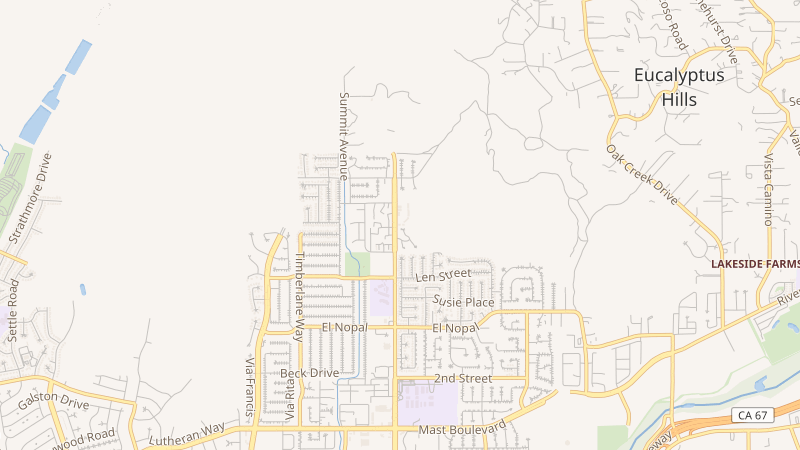
At the community programming level, Santee offers a modest but telling indicator: Tai Chi classes for seniors are running at City Hall — Building 8P at 10601 Magnolia Avenue — from 10:30 to 11:30 Monday morning, and an AARP Fraud Prevention event is scheduled for Wednesday, June 17th. Cities that sustain active senior programming through budget cycles signal that baseline service commitments remain intact. The fraud-prevention event carries particular practical weight given that elder financial fraud is one of the fastest-growing crime categories in California, according to the state Attorney General's office.
The budget's labor cost assumptions also bear watching. City employee contracts, especially for public safety — typically the largest single budget category — have multi-year terms, and new bargaining cycles are approaching. In San Diego's recent history, labor cost overruns have been a recurring source of budget pressure. Meanwhile, downtown commercial office vacancies remain elevated, raising questions about the property tax revenue trajectory built into the spending plan.