NASA's Moon Base Challenge Is About More Than a Million Dollars
How this was made Verified AI
Every Intellegix briefing is generated from that day's broadcast and run through automated checks before it publishes — with a human paged on any flag. Here is the trail for this edition.
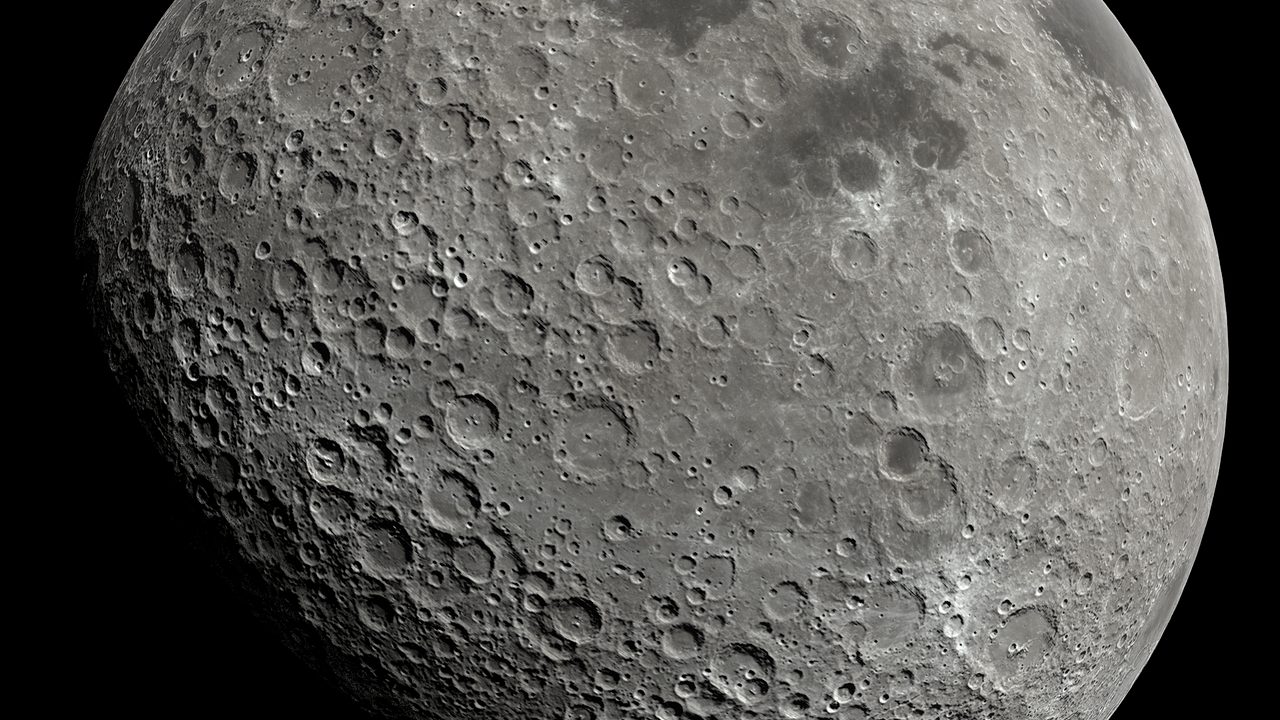
NASA announced a one-million-dollar Moon Base design challenge open specifically to students — a figure large enough to attract serious institutional commitment from graduate engineering programs, but whose significance extends well beyond the prize money. The challenge asks teams to solve genuinely open engineering problems: thermal regulation across fourteen-day lunar nights, radiation shielding at minimum mass, in-situ resource utilization using lunar regolith, and power generation through extended darkness. These problems lack off-the-shelf solutions, and student teams approaching them without legacy constraints occasionally produce novel framing that feeds into actual project development.
Lunar habitation design is also a rare forcing function for integrated systems thinking — a skill the aerospace industry says it needs and finds hardest to teach in traditional engineering curricula. A habitat cannot be designed in isolation from power generation, life support, EVA access, communication infrastructure, and emergency procedures. Well-constructed challenges of this kind do real educational work.
The timing connects to a broader strategic picture. China has stated explicit timelines for crewed lunar landing, and the geopolitical dimension of space exploration — who establishes permanent presence on the Moon first, and what norms govern lunar resource extraction — has become a serious policy conversation in ways it simply was not five years ago. For an agency navigating Artemis scheduling delays and a more crowded commercial lunar landscape, a high-profile national student challenge is also a visibility play: a reminder to the public and congressional appropriations committees that NASA is actively working toward human lunar presence even when hardware timelines slip.