Beijing's Tariff Extension: A Truce With Teeth
How this was made Verified AI
Every Intellegix briefing is generated from that day's broadcast and run through automated checks before it publishes — with a human paged on any flag. Here is the trail for this edition.
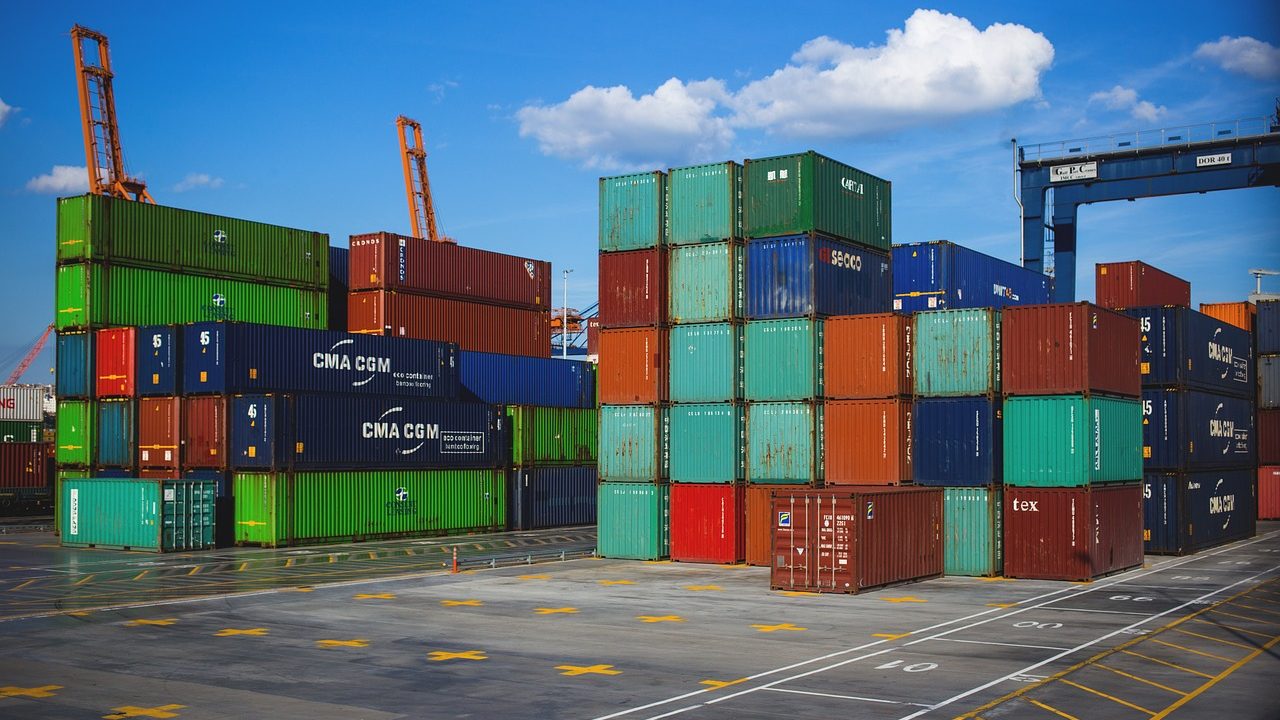
While Iran dominated the diplomatic headlines, Beijing quietly made a decision with potentially greater long-term economic weight for American businesses: China formally extended the suspension of its 24 percent retaliatory tariff on U.S. imports for two additional months, pushing the truce into January. American agricultural exporters, semiconductor equipment manufacturers, and industrial goods producers gain another sixty days of reduced friction — but the relief is carefully bounded.
The critical detail is what China did not suspend: the 10 percent baseline levy remains in place. Beijing also issued pointed warning language about Section 301 of the 1974 Trade Act — the legal vehicle behind the original Trump-era tariffs on Chinese goods, which China called out by name as if to say: we know what tool you have in the drawer, and if you reach for it, we will respond.
A sustained 10 percent levy on the volume of goods moving between the world's two largest economies represents billions of dollars in cumulative annual cost, absorbed either by American importers compressing their margins or by consumers paying higher prices. The 24 percent suspension is the gesture; the 10 percent persistence is the economic reality.
What is unfolding is best described as a managed standoff. Neither government can politically afford to be seen as the one that blinked first, and the two-month extension buys time without resolving the underlying disputes over technology transfer, market access, and military-adjacent supply chains. Unless those fundamentals shift, January is likely to look much like November.
S&P futures were up approximately 0.49 percent Monday morning — a modestly positive read on the tariff news, but not euphoric. American businesses that restructured supply chains out of China over the past three years are unlikely to reverse those decisions based on a sixty-day reprieve. The structural shift in global manufacturing is continuing regardless of tariff headline numbers.