The Science of Learning: What Research Actually Says About AI in Education
How this was made Verified AI
Every Intellegix briefing is generated from that day's broadcast and run through automated checks before it publishes — with a human paged on any flag. Here is the trail for this edition.
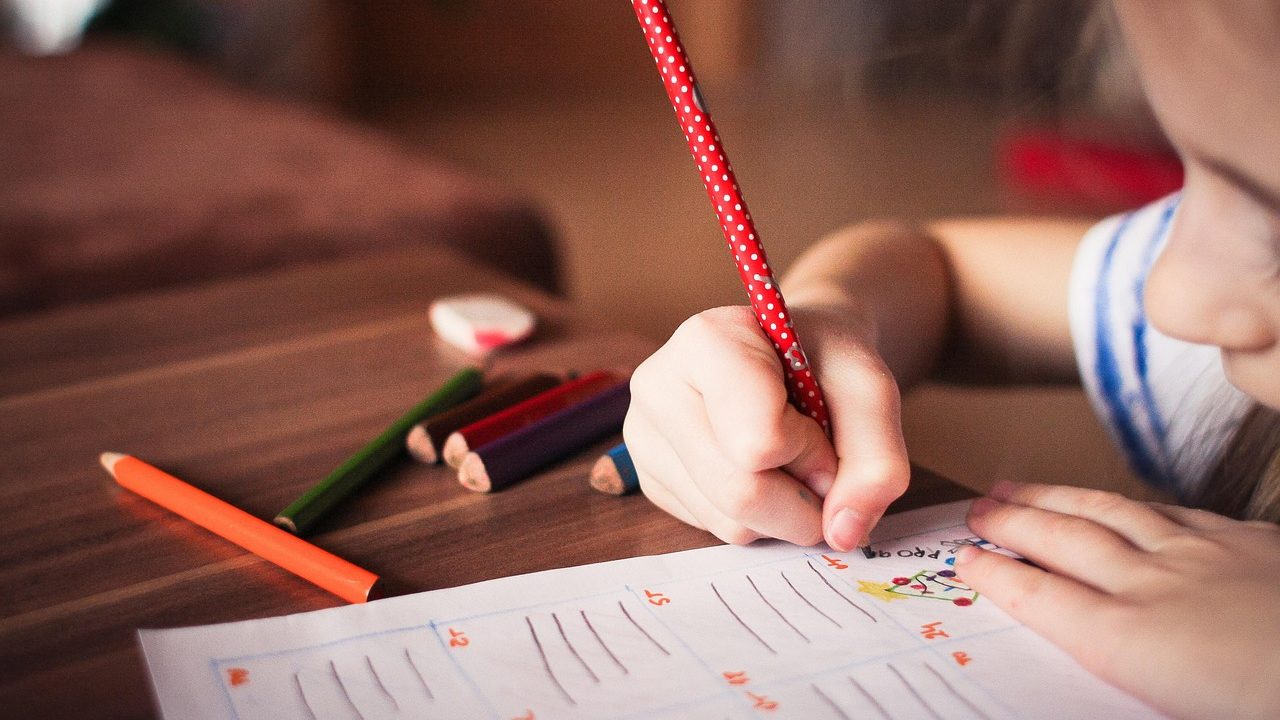
Much of the debate over AI in classrooms is proceeding without sufficient grounding in what researchers actually know about how young people learn. The picture is more granular than either side of the policy argument typically acknowledges. There is solid evidence that immediate, personalized feedback — which AI systems can provide at scale in ways human teachers cannot — improves learning outcomes in certain domains, particularly procedural skills such as mathematics and language mechanics. Work from Carnegie Mellon, MIT, and Stanford supports this conclusion.
Cognitive science also documents what researchers call 'desirable difficulties' — the finding that struggle is not merely unavoidable in learning but productive. When students generate answers under effortful conditions, memory encoding is stronger than when information is received passively or help arrives too quickly. The concern with frictionless, always-available AI assistance is that it may reduce the effortful processing that makes learning durable.
The developmental dimension is particularly relevant for teen-focused AI products. Adolescent brains are still building executive function — the capacity to plan, persist through frustration, and regulate impulses toward the easier path. An AI that consistently provides that easier path before a student has genuinely wrestled with a problem may produce a form of developmental substitution that is difficult to detect in short-term outcome data but significant over time.
None of this constitutes a categorical argument against AI in education. It is an argument for precision: deploying AI tools in contexts where the evidence supports them, designing implementations that preserve productive struggle rather than eliminate it, and maintaining the human oversight — by teachers, parents, and school administrators — that current platform policies are making harder to exercise. Separately, NASA's Europa Clipper mission, which launched in October 2024, confirmed a successful course-correction burn this week that keeps it on track for Jupiter orbital insertion in 2030. Europa's subsurface ocean, kept liquid by tidal heating from Jupiter's gravity, is considered one of the most promising candidates for extraterrestrial microbial life in our solar system — a long-horizon scientific effort proceeding quietly alongside the week's noisier technology debates.