Gulf of Oman: U.S. Forces Disable a Cargo Vessel Near a Critical Strait
How this was made Verified AI
Every Intellegix briefing is generated from that day's broadcast and run through automated checks before it publishes — with a human paged on any flag. Here is the trail for this edition.
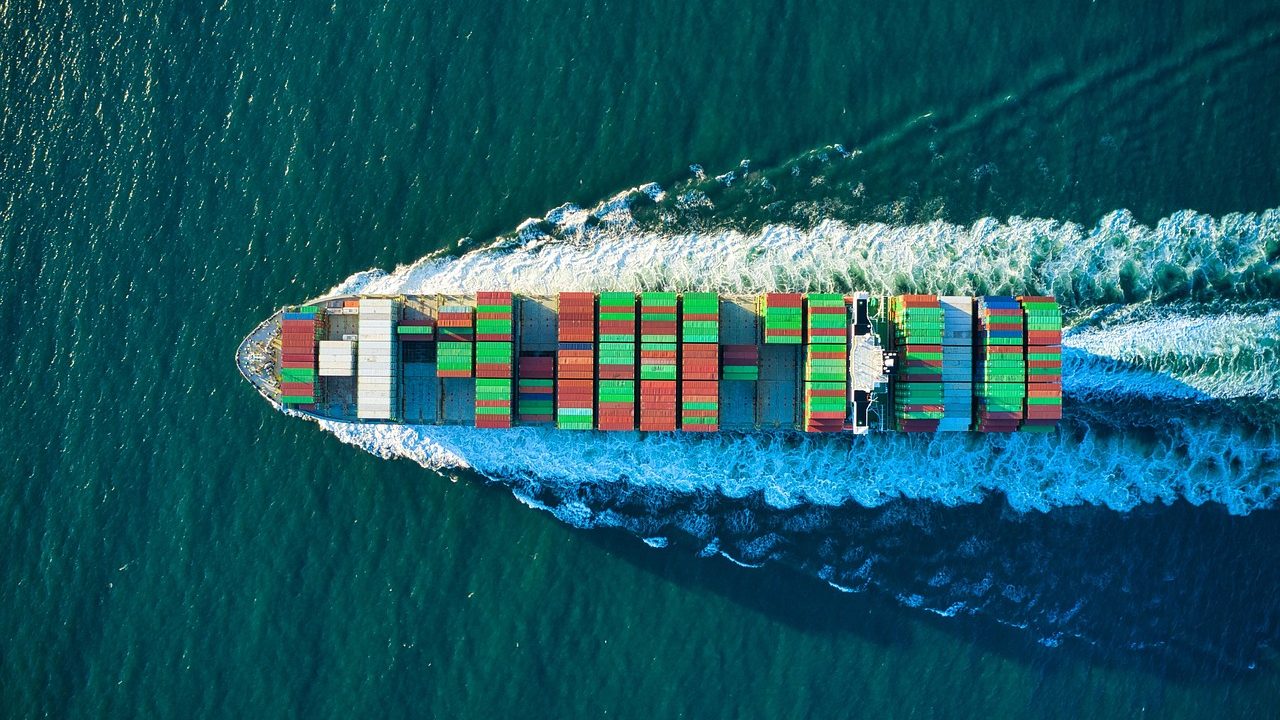
On Friday, November 7th, the U.S. military confirmed it had disabled a cargo vessel in the Gulf of Oman that was attempting to break through what U.S. and regional forces have characterized as an Iranian naval blockade. 'Disabled' in military parlance typically denotes a non-lethal intervention — stopping engines, communications, or navigation rather than destroying the vessel — suggesting an operation designed to halt the ship without triggering a direct military escalation.
The geographic context amplifies the significance. The Gulf of Oman sits just outside the Strait of Hormuz, the chokepoint through which approximately 20 percent of the world's oil supply transits. Military action in that corridor, even when non-lethal, draws immediate attention from energy markets. That S&P futures were up modestly Sunday morning despite the incident suggests traders are not yet pricing in a supply-disruption scenario — a calculation that could change quickly if the situation develops.
The cargo vessel's flag, ownership, and cargo had not been fully disclosed in available reporting. Those details matter: international maritime law treats vessels differently depending on the flag they fly, and whether the ship carried dual-use goods — materials with both civilian and potential military applications — could substantially affect the legal justification for the interdiction.
The Pentagon's decision to publicly confirm the action, rather than allow it to remain a quiet operational matter, functions as a signal to multiple audiences simultaneously: a warning to Iran, a message to Gulf partners including Saudi Arabia and the UAE, and a statement about U.S. willingness to enforce maritime freedom of navigation by physical means. Iran's pattern has generally been to respond to such incidents with proportional, deniable counter-actions rather than direct military confrontation, but the cumulative pressure of repeated incidents creates escalation risk over time. How Tehran responds in the coming days — and whether China or Russia raise the matter at the UN Security Council — will indicate how the incident is being framed diplomatically.