Yen Surge, ECB Suspense, and Berkshire's $31 Billion Signal
How this was made Verified AI
Every Intellegix briefing is generated from that day's broadcast and run through automated checks before it publishes — with a human paged on any flag. Here is the trail for this edition.
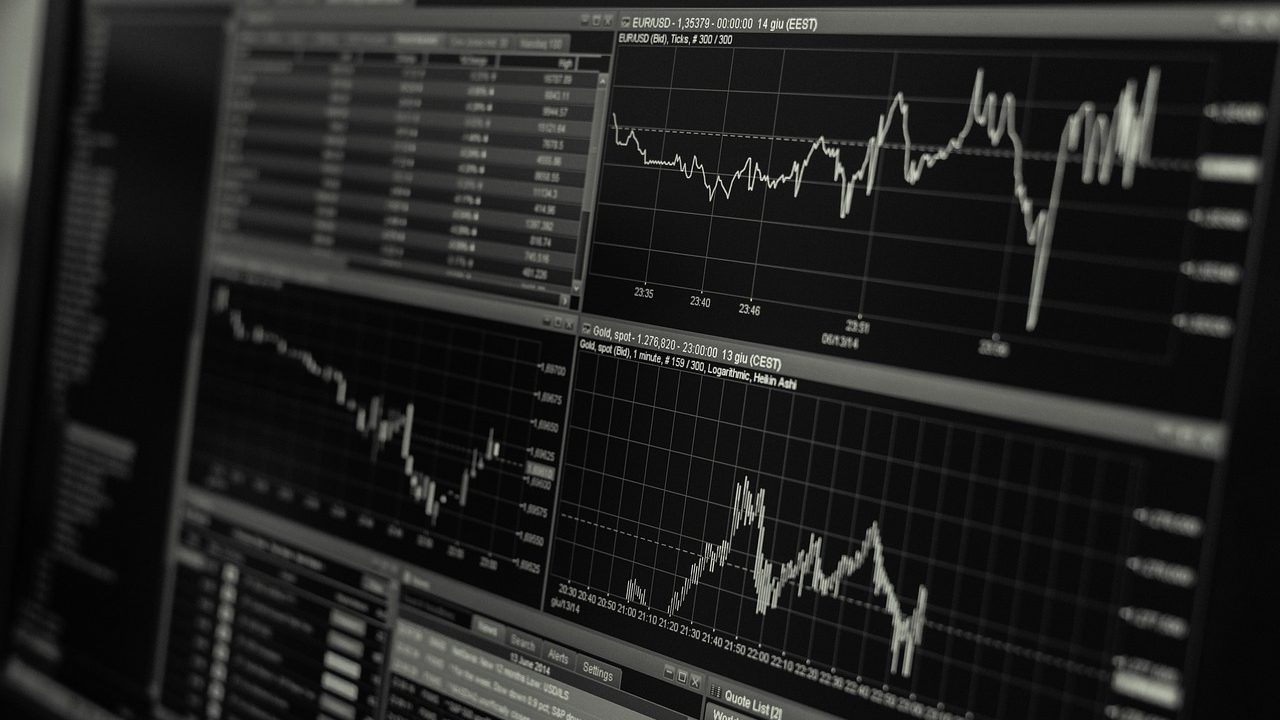
The yen reached a seven-month high Monday morning as Bank of Japan rate-hike expectations are actively priced into futures markets. Japan has been the developed world's monetary outlier for four years, holding rates at or near zero while peers tightened aggressively — a posture that sustained the yen carry trade, one of the most consequential capital flows in global finance. In that trade, investors borrow cheaply in yen, convert to higher-yielding currencies, and invest in higher-yielding assets. When the yen strengthens, that debt becomes more expensive to service, triggering cascading selling across risk assets. A brief yen spike in August 2024 dropped equity markets globally by several percent in a single session, offering a preview of what a more sustained unwinding could look like.
The eurozone provided a comparative bright spot. Second-quarter GDP growth was revised up to 0.6 percent, beating earlier estimates of approximately 0.4 percent, and gives the European Central Bank marginally more room ahead of its Thursday rate decision. If the economy is growing faster than expected, the urgency to cut rates as stimulus diminishes, though European inflation remains a factor markets will watch the ECB communicate around carefully.
Berkshire Hathaway's cash position fell by $31 billion in the most recent reporting period under Greg Abel, who has adopted a notably more aggressive deployment posture than the Buffett era. The sectors where Berkshire has been accumulating — energy infrastructure, select financials, consumer-facing businesses — suggest Abel is betting that the current rate environment is closer to a ceiling than a floor, and that assets priced at elevated discount rates will look cheap when rates normalize. For an institution managing roughly $900 billion in assets, deploying $31 billion in a quarter is a conviction call, not a casual market observation.
All of it is set against Treasury yields that continue to resist the administration's interventions. Equity markets at current levels — S&P futures at 7,715, slightly negative on the day — are priced for a soft landing accompanied by declining interest rates. If neither condition materializes, analysts warn the repricing could be significant.