Killer Robots in Ukraine: A Moral Red Line Has Already Been Crossed
How this was made Verified AI
Every Intellegix briefing is generated from that day's broadcast and run through automated checks before it publishes — with a human paged on any flag. Here is the trail for this edition.
Ukrainian intelligence reports that Russia is planning to mobilize 600,000 additional troops over a two-year period — a figure that, if accurate, would represent a substantial expansion of a military that fielded approximately 900,000 active-duty personnel before February 2022. The claim comes from a source with obvious incentives to present Russian capabilities as formidable, and combat effectiveness of any mobilized force depends heavily on training, equipment, and morale — all factors that have been severely stressed throughout this conflict. What the directional claim does establish, consistent with other observable signals from Moscow, is an intent to sustain a prolonged and expanded war.
Simultaneously, Russia has issued explicit threats to strike United Kingdom military targets in response to Ukraine's use of British-supplied Storm Shadow cruise missiles on Russian territory. Their use has been among the most sensitive escalation questions of the war. A Russian strike on UK infrastructure or military assets would immediately trigger debate over Article 5 of the NATO treaty, which covers member states under armed attack — a threshold that would fundamentally alter the conflict's legal and strategic character.
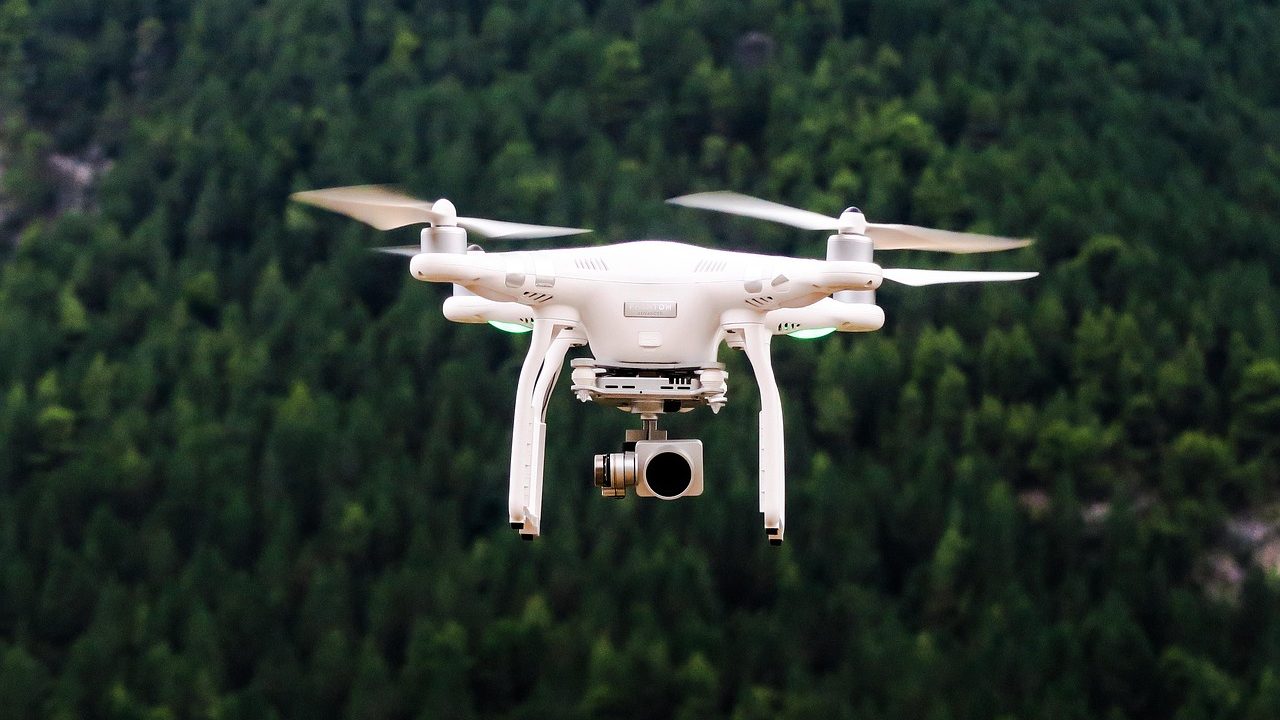
The third and arguably most consequential Ukraine development this week comes from weapons experts and international security scholars, who are stating that a moral red line on lethal autonomous weapons systems — commonly called killer robots — has already been crossed in Ukraine. Autonomous drone systems that make targeting decisions without a human in the authorization loop at the moment of a kill have reportedly been deployed, and people have died as a result of algorithmic targeting decisions. This is not a warning about a hypothetical future; it is an assessment about something that has already happened.
The implications for international humanitarian law are profound and unresolved. The laws of armed conflict — the Geneva Conventions and their core principles of distinction and proportionality — implicitly presuppose a human being making targeting judgments. When an algorithm makes that decision, legal responsibility for civilian casualties becomes genuinely unclear: does it rest with the programmer, the commanding officer who authorized deployment, or the state itself? The international community has debated legal frameworks for autonomous weapons for more than a decade without reaching a binding agreement, partly because the United States, Russia, and China have all resisted restrictions that would constrain their own development. Ukraine's conflict has now become the real-world proving ground for technology that has outrun the law governing its use — and Russia's reported mobilization of hundreds of thousands more troops suggests the data points will keep accumulating.