Economic Siege: Bessent's 'Toughest Sanctions in History' and a War's Mounting Toll
How this was made Verified AI
Every Intellegix briefing is generated from that day's broadcast and run through automated checks before it publishes — with a human paged on any flag. Here is the trail for this edition.
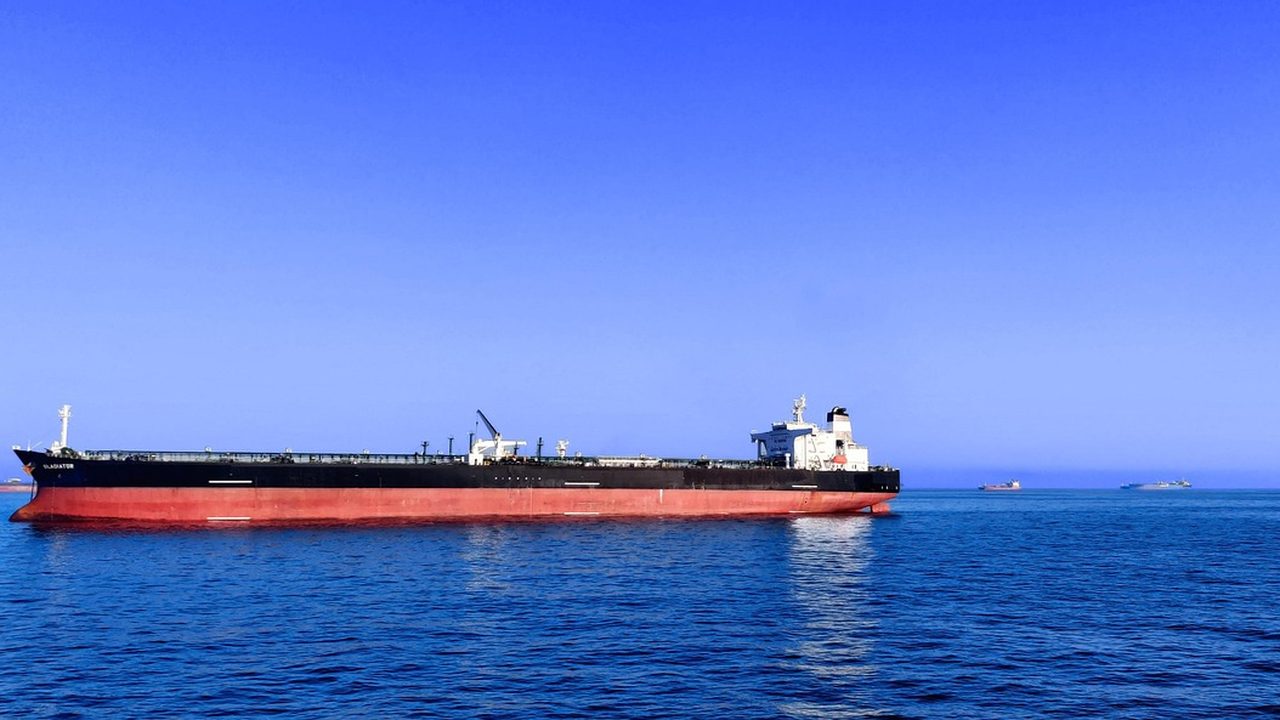
Six months into the US-Iran war, American strategy appears to be shifting from kinetic pressure to economic strangulation. Treasury Secretary Scott Bessent is set to announce Monday what he describes as the toughest sanctions package in American history — a move toward full economic isolation rather than targeted restrictions, designed to cut Iran off from every financial corridor simultaneously, including oil revenues, shipping, insurance markets, and secondary banking relationships.
The human cost on the American side is no longer abstract. US troops killed or wounded in the conflict have now reached a substantial and growing number — a toll that would have dominated political debate five years ago but is being somewhat absorbed into the noise of daily war coverage. Former Vice President Mike Pence called further military action 'inevitable' this weekend and urged the administration to 'finish the job,' while House Speaker Mike Johnson told Fox News that allied nations will join what he called a 'new phase' of the conflict, expressing specific confidence that the United Kingdom would participate.
That confidence sits in uncomfortable tension with reality: Trump called Italy and Germany 'very bad' NATO partners this weekend after both nations rejected his calls for NATO to help reopen the Strait of Hormuz. If the strait remains contested and major European allies won't commit militarily, the sanctions package must accomplish with financial instruments what military force has not fully resolved — a formidable ask for any Treasury secretary.
From Tehran, Iran's president revealed that the late Supreme Leader Khamenei had privately backed peace talks with the United States before his death — a remarkable posthumous disclosure that could represent a genuine opening or a tactical move to create negotiating space. Simultaneously, Iran announced a discovery of 7.5 trillion cubic feet of natural gas in Fars province. Oil Minister Paknejad acknowledged production is likely years away, but the announcement is clearly aimed at reassuring domestic audiences that Iran's long-term resource position remains strong despite the war. Speaker Ghalibaf publicly mocked Trump's 'Economic D-Day' as a boomerang, arguing — with some exaggeration but not without a kernel of truth — that the sanctions are hurting American allies and global markets as much as Iran itself.
The Florida startup mass-producing low-cost drone interceptors captures the war's broader improvisation problem in miniature: the scale of drone warfare in the conflict outpaced existing military procurement systems, forcing the United States to turn to entrepreneurial solutions in real time. That a startup is filling the gap is simultaneously impressive and strategically telling.