Drones, NATO Warnings, and a Fractured Kyiv: Ukraine's Three-Front Crisis
How this was made Verified AI
Every Intellegix briefing is generated from that day's broadcast and run through automated checks before it publishes — with a human paged on any flag. Here is the trail for this edition.
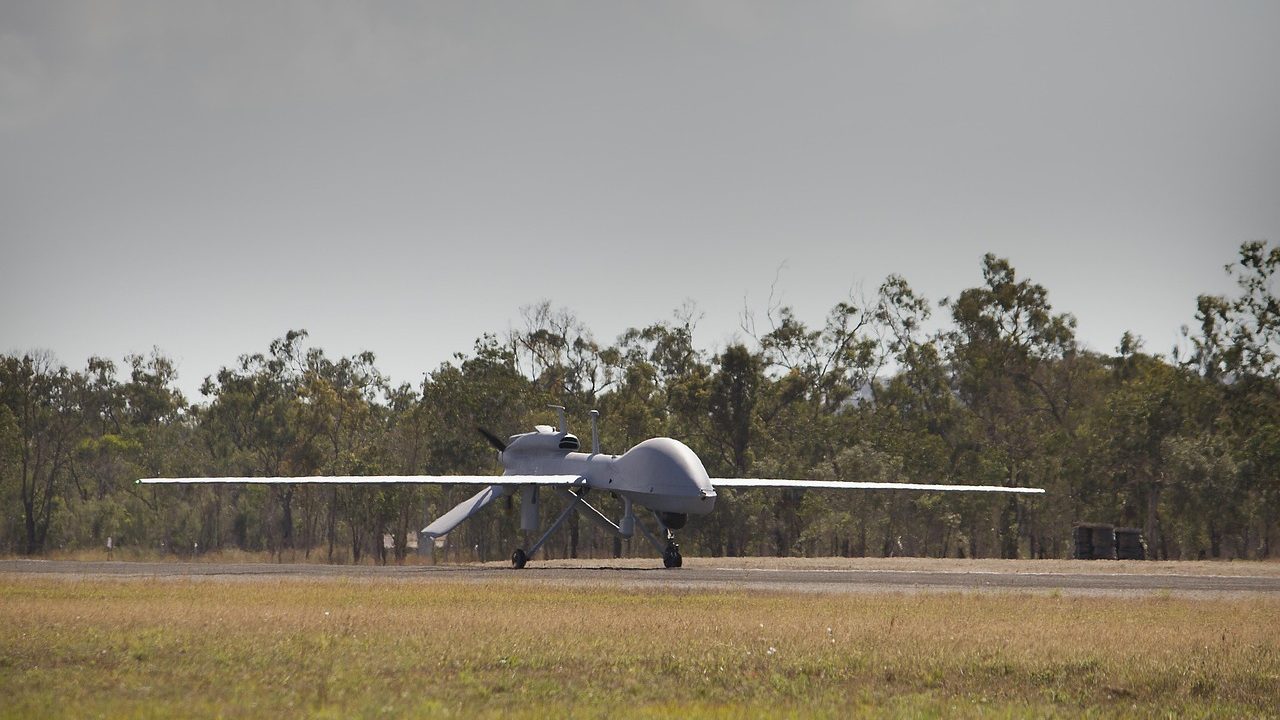
Ukrainian drones struck a Russian explosives manufacturing plant overnight, the latest strike in Kyiv's deliberate campaign against Russia's defense-industrial base. Rather than attempting to match Russian firepower gun for gun on the eastern front, Ukraine has pursued a counter-logistics strategy — systematically targeting ammunition factories, fuel depots, and weapons production facilities deep inside Russian territory to shrink the pipeline feeding the grinding ground war.
The larger geopolitical alarm came from Ukraine's spy chief, Budanov, who corroborated U.S. intelligence assessments that Russia is preparing for a potential limited attack on a NATO member, with some timelines pointing to this fall as a possible window. A 'limited attack' in this context does not necessarily mean a full-scale invasion; it could mean a provocative incursion into Estonian or Latvian territory, a hybrid operation with plausible deniability, or aggressive action in the Suwalki Gap — the narrow land corridor connecting Poland to Lithuania. The intent would be to test NATO's Article 5 commitment without triggering a full alliance response. Putin's apparent calculation, if the assessment is accurate, would be that the current political environment in Washington — divided between the Iran crisis and a cascade of domestic pressures — creates uncertainty about U.S. commitment to collective defense.
A third, quieter front opened in Ukrainian domestic politics, where former Defense Minister Reznikov — ousted earlier this year — publicly called for wartime elections, directly challenging President Zelenskyy's position that elections are legally and practically impossible during active conflict. Reznikov was one of the architects of Ukraine's Western military partnership and is not a fringe voice. His argument is essentially that Zelenskyy's democratic mandate has become thin enough that the legitimacy cost of continuing without a vote now exceeds the operational cost of holding one. Zelenskyy has countered that elections would be dangerous, resource-intensive, and vulnerable to Russian interference — a position with its own genuine merit. The exchange signals that the political consensus that held in 2022 and 2023 has fractured considerably as the war enters its fifth year.